Vieron algo en el cielo: Ufolatries and
Desert
Itinerarios XXX
Centro Botín
2025-2026
They went in search of some stones: the Ica stones. It is said that they contain sixty million years of memory and recount the coexistence of a humanoid species with giant creatures, when the deserts of Ocucaje were once seabed. An unlikely theory, but Peru grants broad margins to the imagination.
It did not take them long to find the place: a tiny baroque museum in the city’s main square, to which they returned several times. Each visit was an exercise in openness, wonder, and shared science fiction. Its custodian, surrounded by prejudice, devices, and suspicion, had turned that strange collection into a fortress, jealously guarding years of accusations and misunderstandings. Faced with the limits of that alternative truth, and with the little they had managed to gather, they decided to return to the road.
Agustín de Zárate recounts in his chronicles:
“The god Kon, whom they said was the son of the sun, came through the air, and although he had the form of a man, he had neither bones nor joints. And wherever he walked, the land stretched out.”1
Driven by that image of elastic temporality, they let the drift of the desert guide their steps: to discover the landscape, confront the mirage of the inhospitable, and embrace the uncertainty of not knowing which doors might open. It was the same feeling provoked by trying to understand the unofficial history of that place.
Mystery began to mark their steps and trace their bodies in the desert. They let themselves be inhabited by the stories and became characters in search of an unfinished origin. Echoes of
myths and murmurs from those who never stop looking at the sky. The landscape, meanwhile, became the silent narrator of each of their movements. The journey is now the enigma.
What if speculation were another way of asking about the origin and the meaning of being there? The desert never ceases to multiply paths: speculation as method, science fiction as historical play, walking as record. What were they searching for? Were they hoping that something or someone would guide them?
They walked over fossils and mountains of calcified beings. The colors of the landscape seemed to want to return to the sea, traced by winds that dragged presences from other planes. As in a ritual dream, a cotton boll was extracted from an elongated skull of ideas and patched with a fragment of silver. Could that have been the stone of madness?
Between themselves they debated whether or not to believe. One observed; the other insisted on faith. They said that traveling the Panamericana Sur was like walking through the veins of history, the great aorta of a continent for which one lifetime is not enough to know it, nor an eternity enough to understand it.
The official account maintains that the ancients survived there for millennia, living underground, in communion with entities through brews and adorned with the feathers of swift beings. This account, by contrast, is ambiguous, magical, and skeptical all at once: a ritual of death and life occurring simultaneously. Travel, too, can be
creation, a poetic and experimental gesture that opens narratives about ufology, the past, friendship, and idolatry, raised upon ephemeral architectures at the roadside.
What if there were an entrance to the desert made of impossible stones showing scenes from another reality, where every representation merges into a single entity come from the starry sky?
That night they told themselves they would see something in the sky. And so they did.
1 Zárate, Agustín. History of the Discovery and Conquest of Peru, with the natural things notably found there and the events that have occurred. Antwerp: House of Martín Nucio, 1555. First edition; digitized on Internet Archive.
Acknowledgements
Project development, support and exhibition design: Clara Álvarez
Fieldwork and animation co-production: Rocío López Guemes
Design and co-production of textile pieces: Marina Álvarez
Muralism: Lucía Coz
Sound design: Jean Francois Deville
Photographic production: Raúl Silva / La Troupe
Ceramic mold production: Téllez Sabina
Logistics: Livia Benavides Galería and Jorge López Galería
Sponsorships and materials: Persiskin and Caxacori Studio
General production and project development support:
Mónica Mays, Simón Leibenson, Florencia Rojas, Guillermo Mora, Nerea Manzano, Ishmael Randall Weeks, Carmen Ojeda, Pier Solís, Aileen Gavonel, Mario Romero, Facultad de Bellas Artes de la UMH Altea, Gabriel Lores, Alma Esteban, Charlotte Poulsen, Daniel de la Barra, Crisis Galería, Alejandra Monteverde, Juan Luis Balarezo, Alexandra Morales, Samaca, Helados Ovni, Beatriz
Sabina Pedraza, Verónica Roca
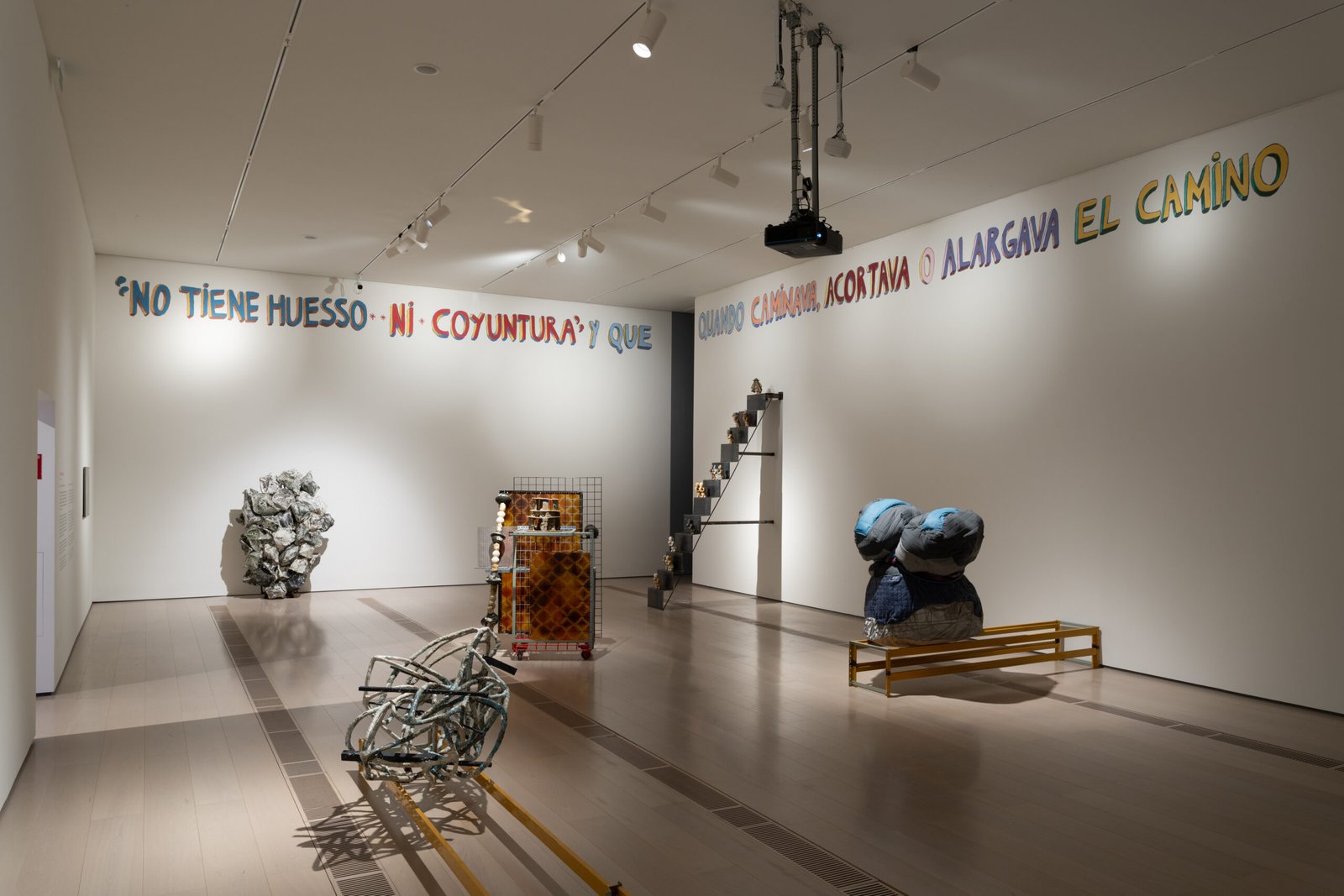
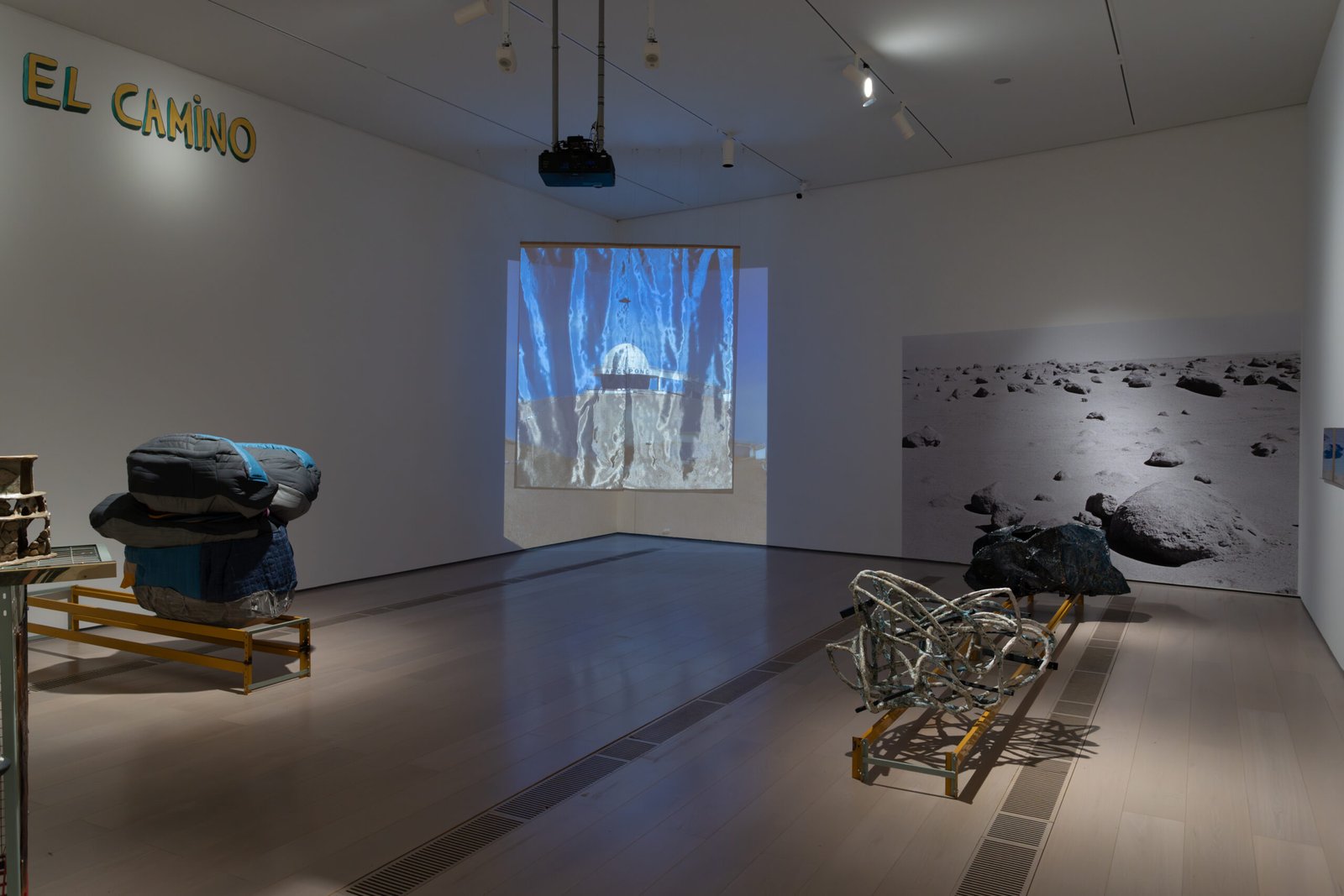
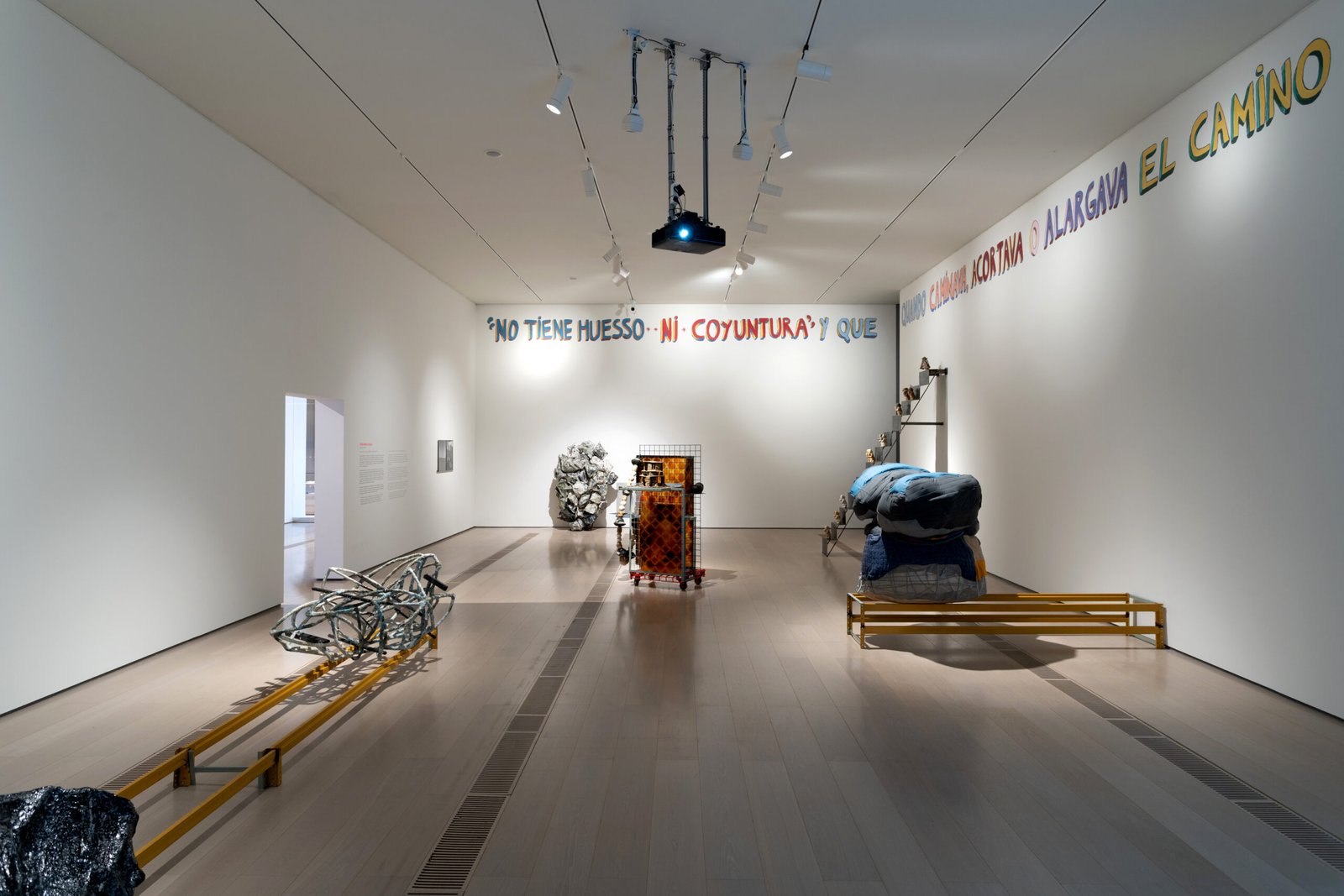
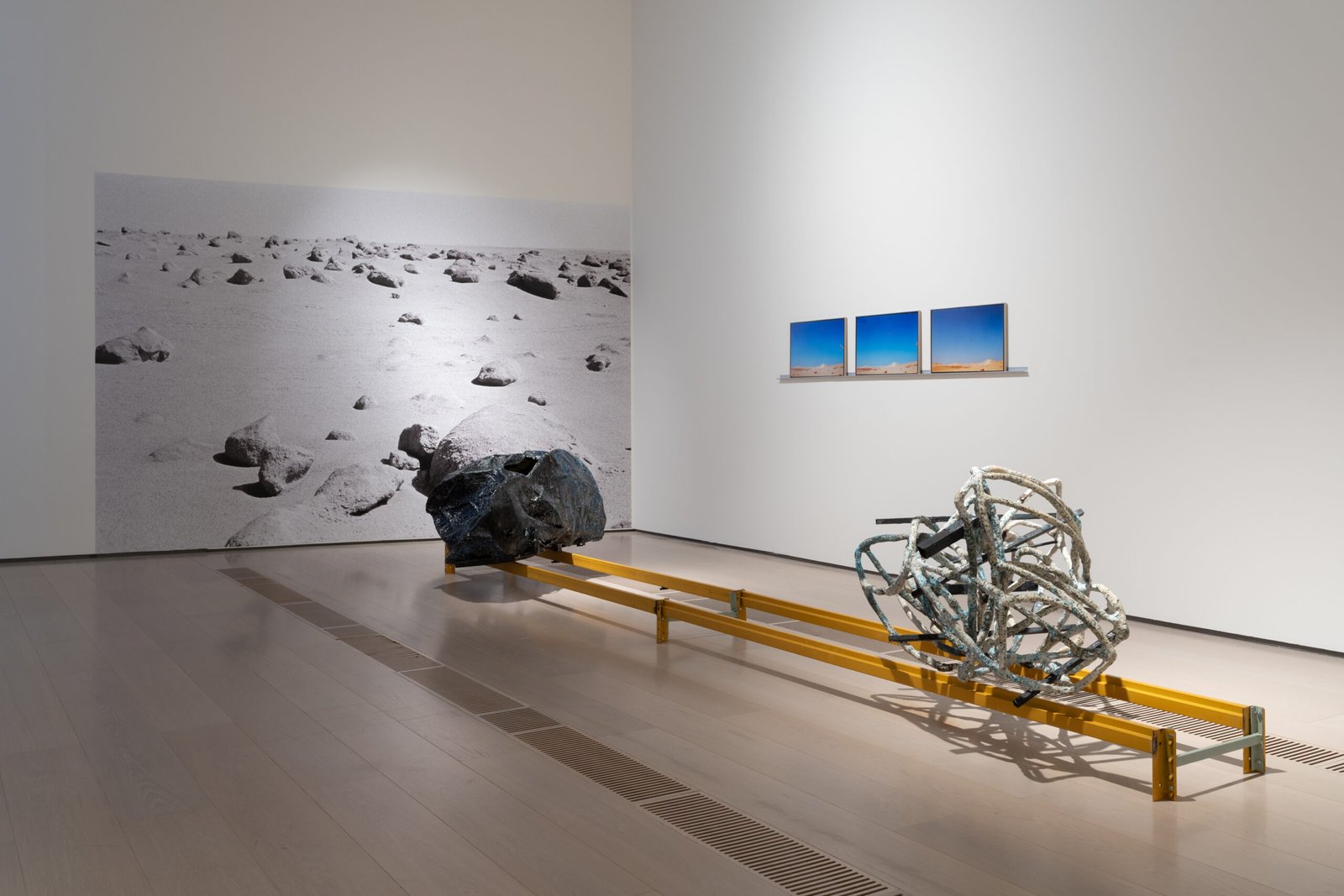
Exhibition Views
Centro Botín
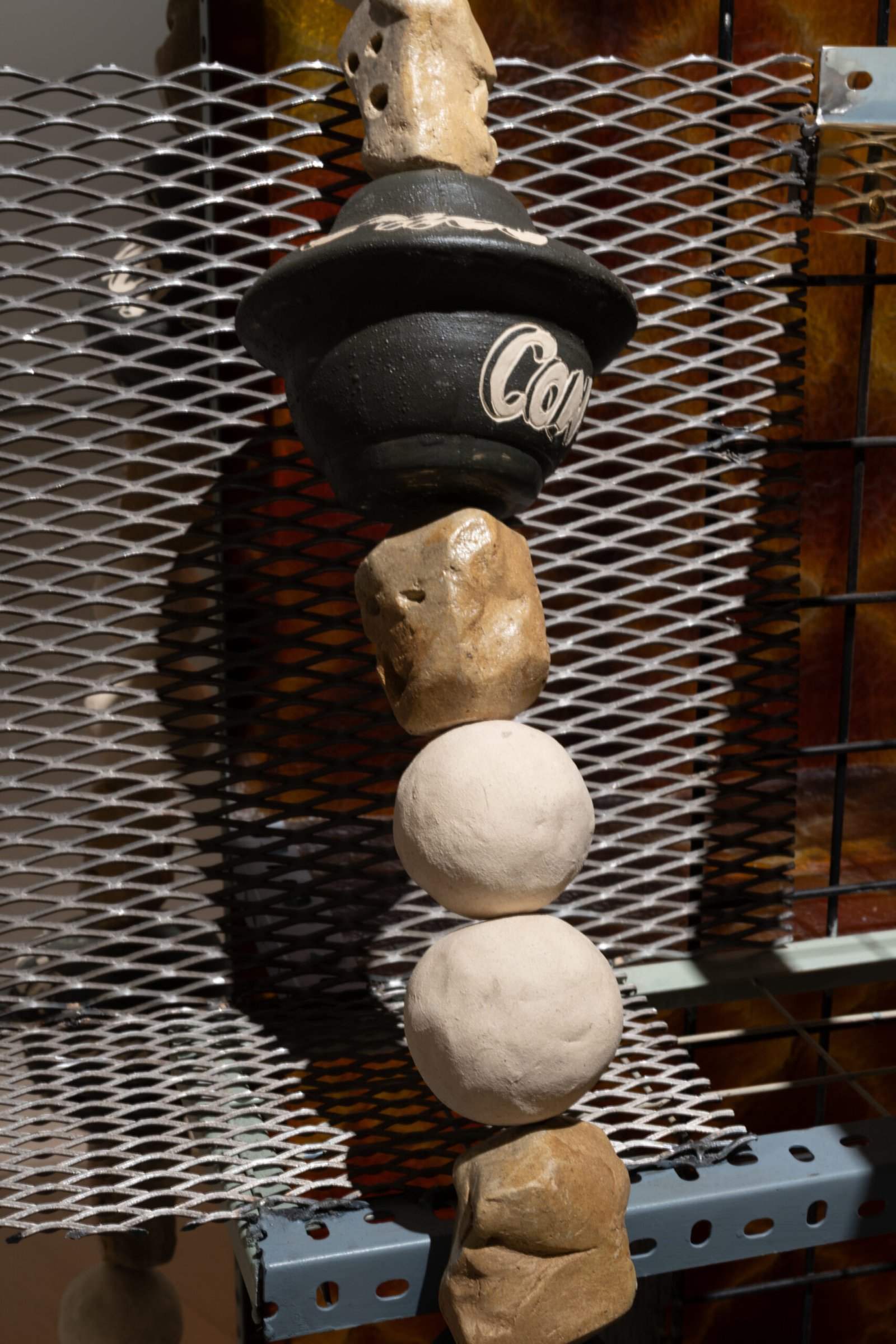
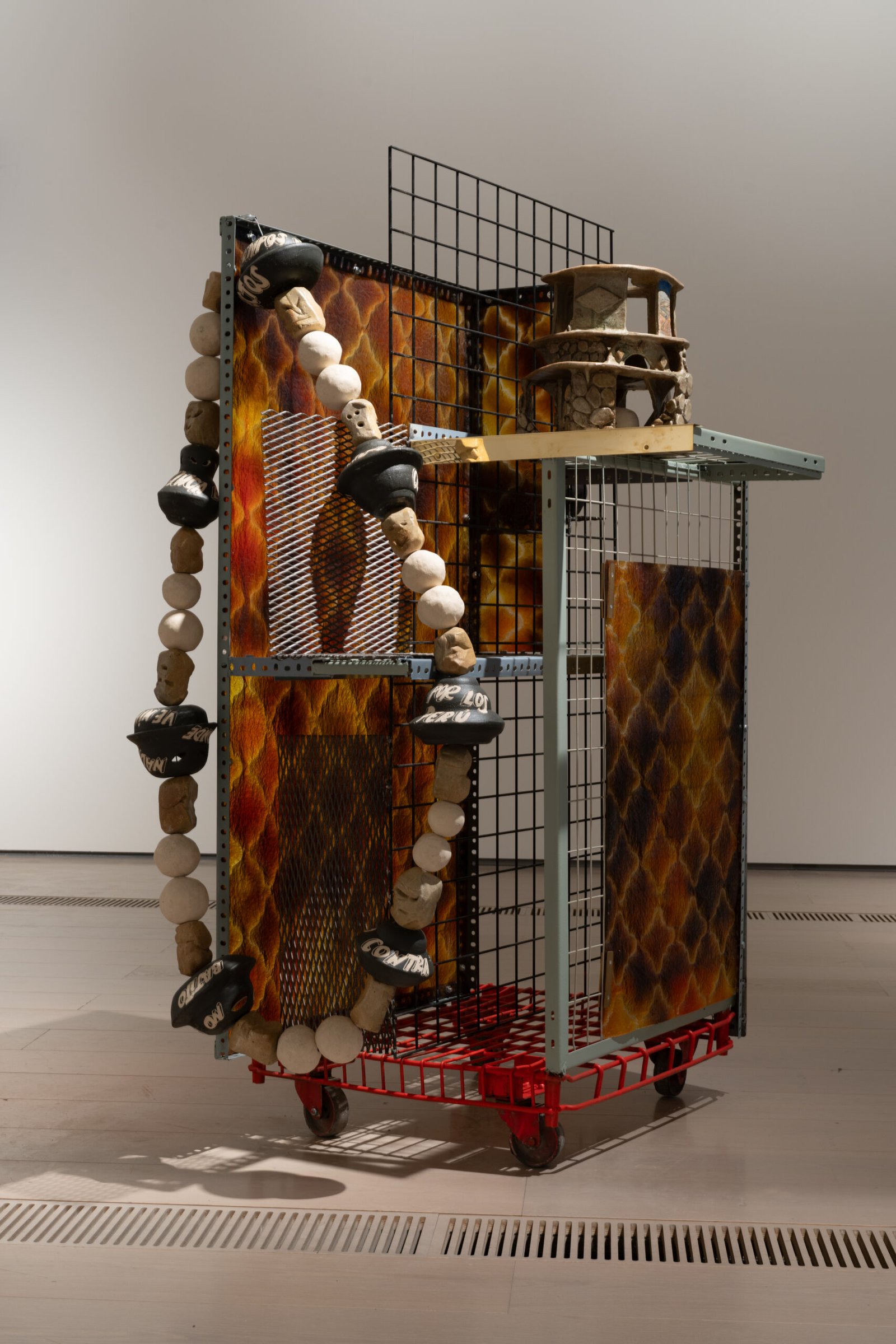
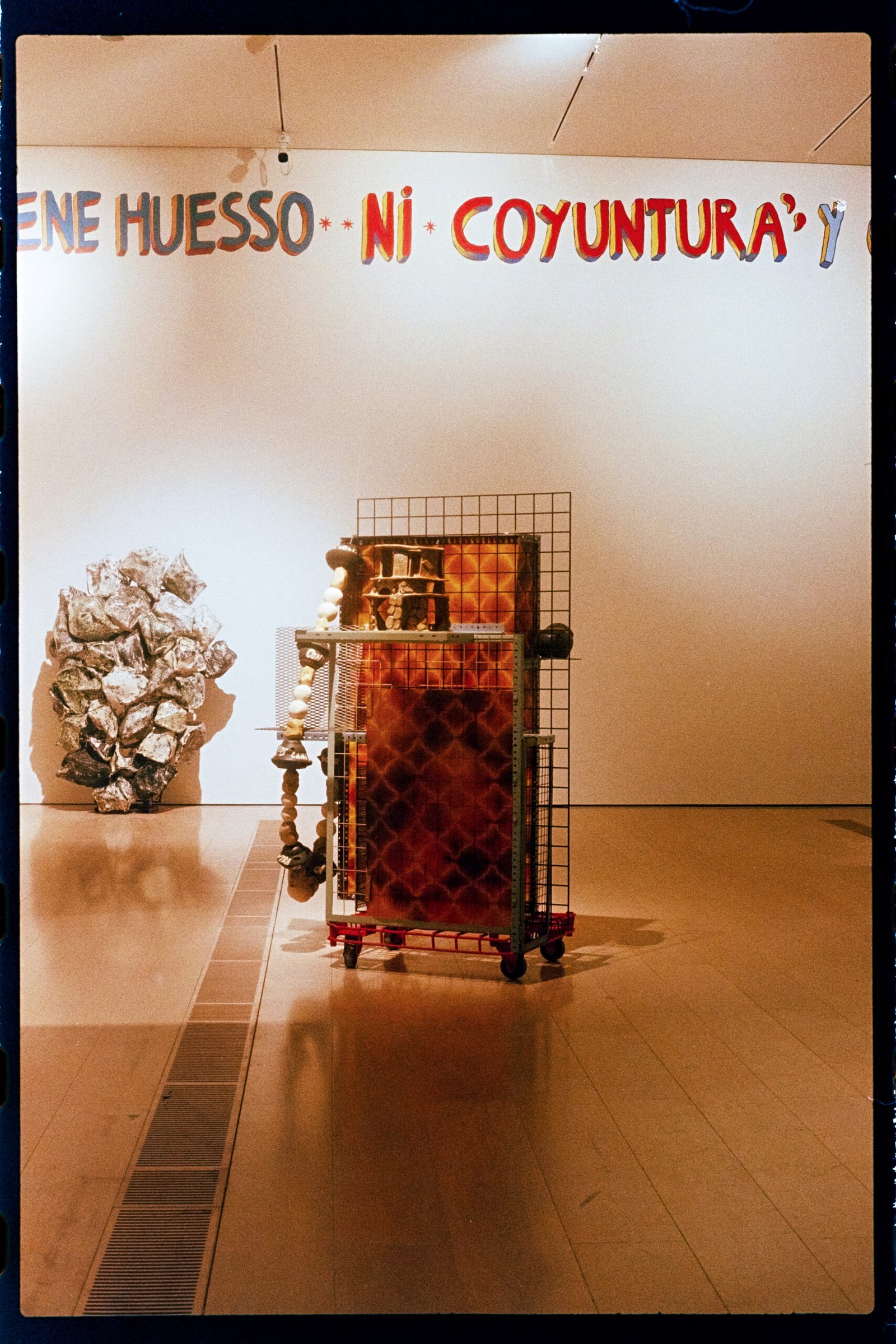
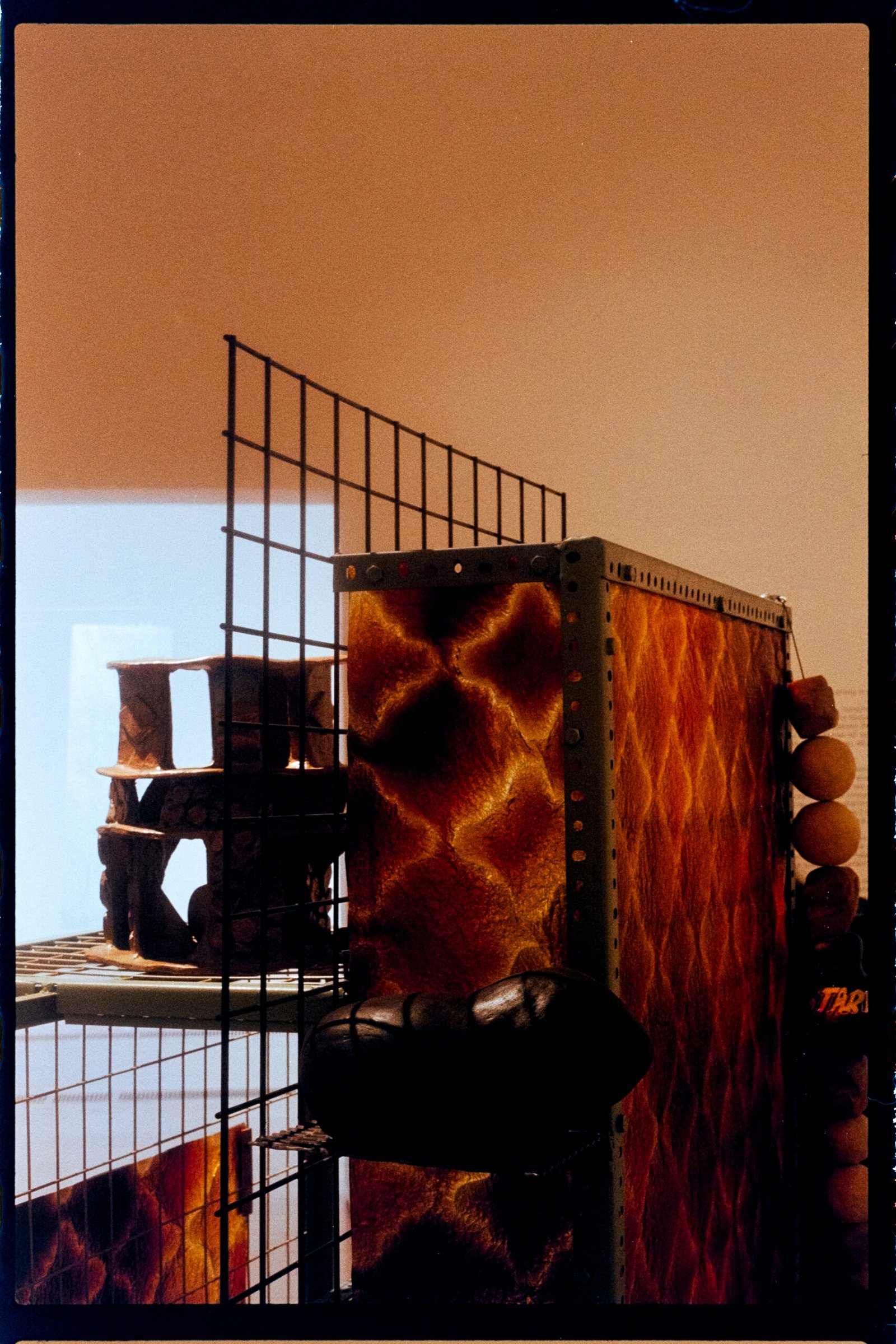
Wandering Museum
2025
Ceramics, Polyester, Brass and metal
135 x 150 x 185 cm
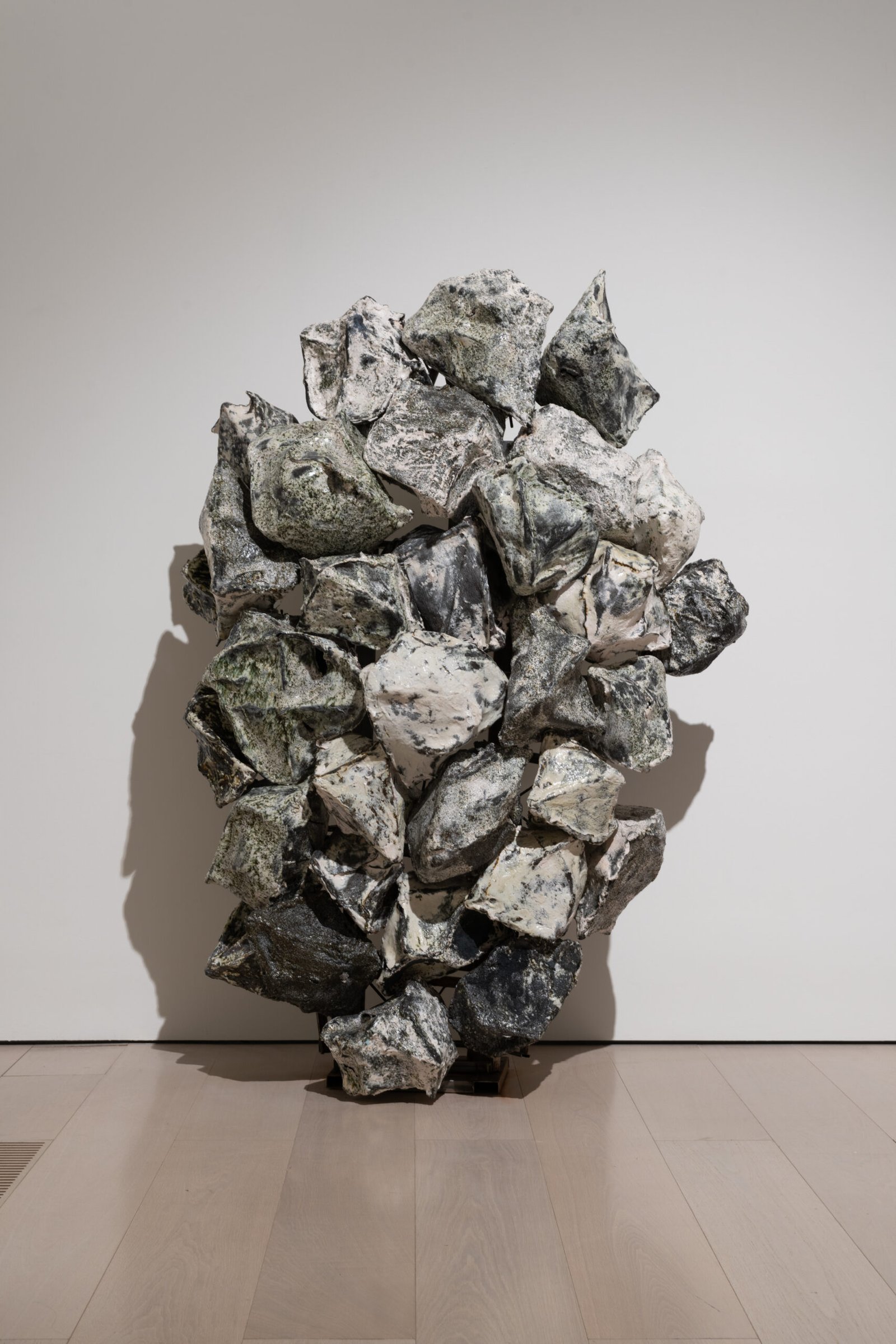
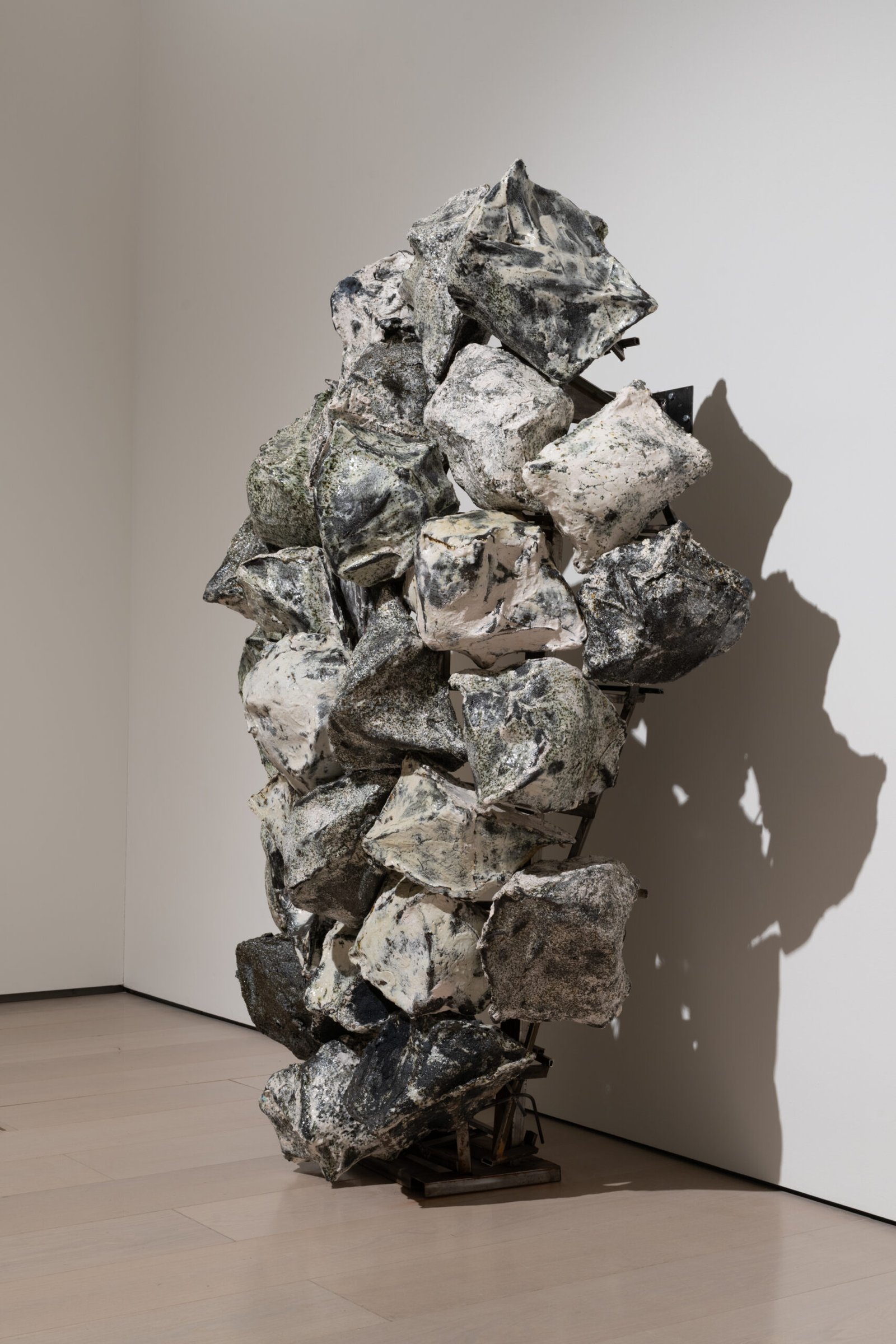
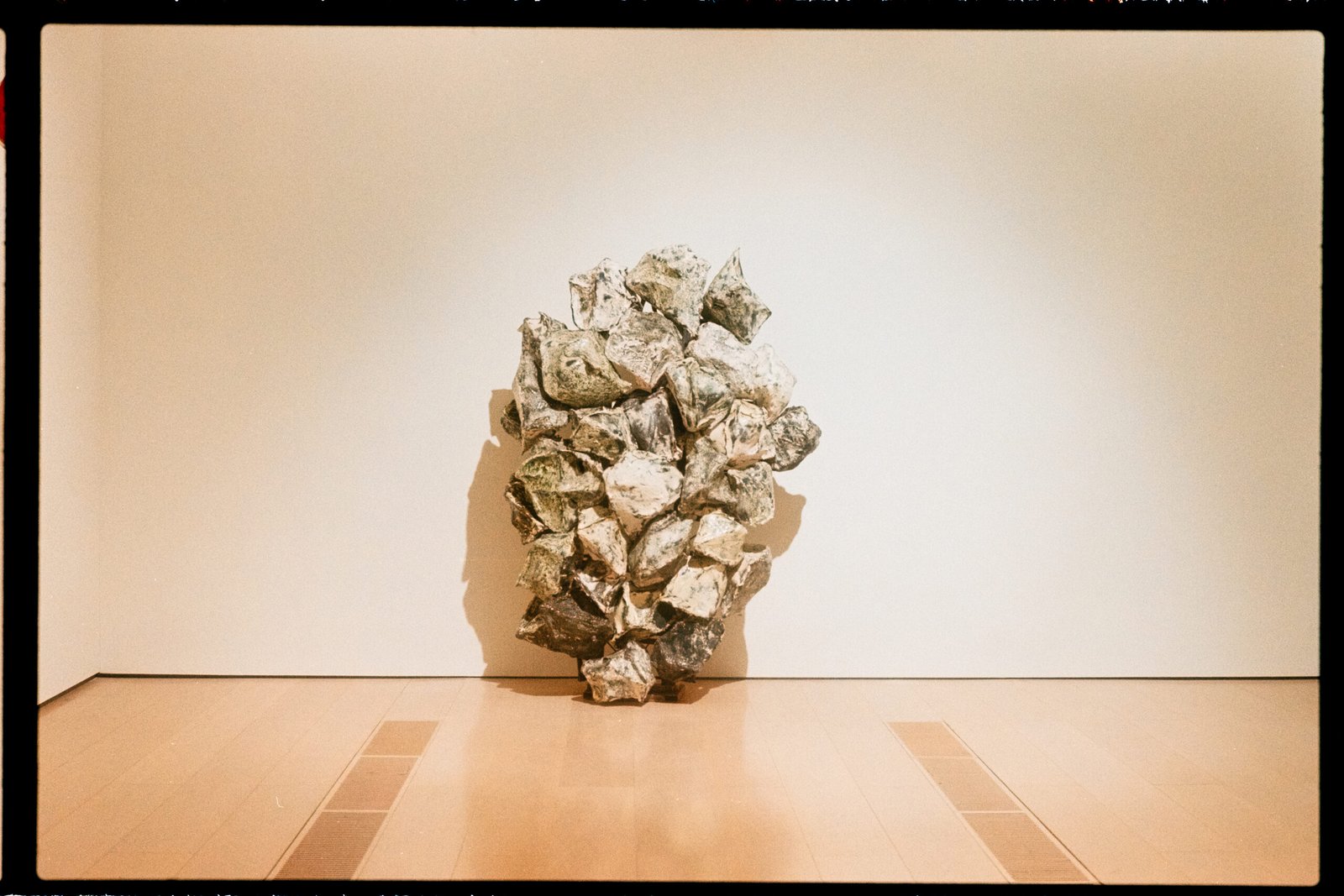
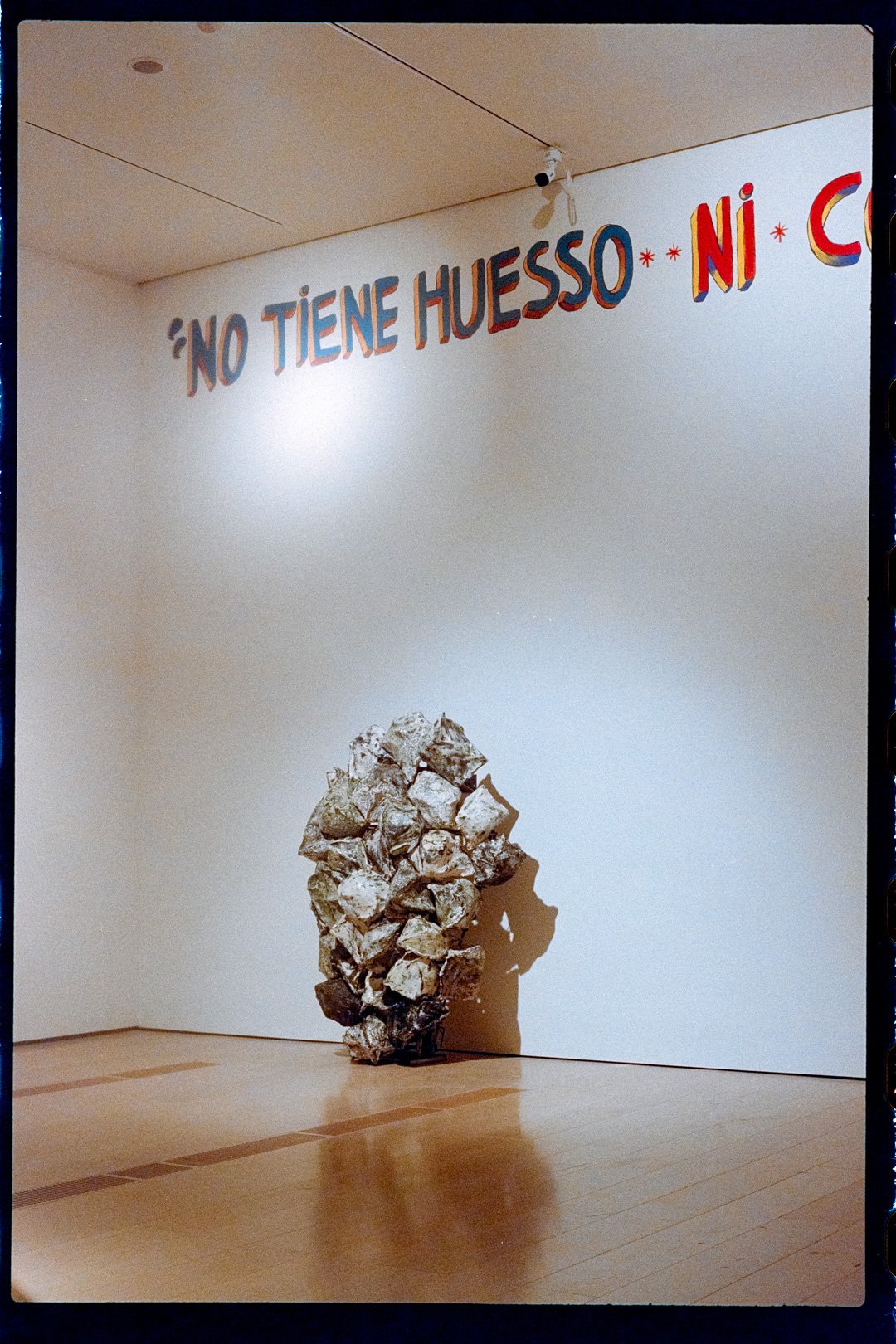
Apacheta 2
2025
Ceramic and Iron
120 × 125 × 230 cm
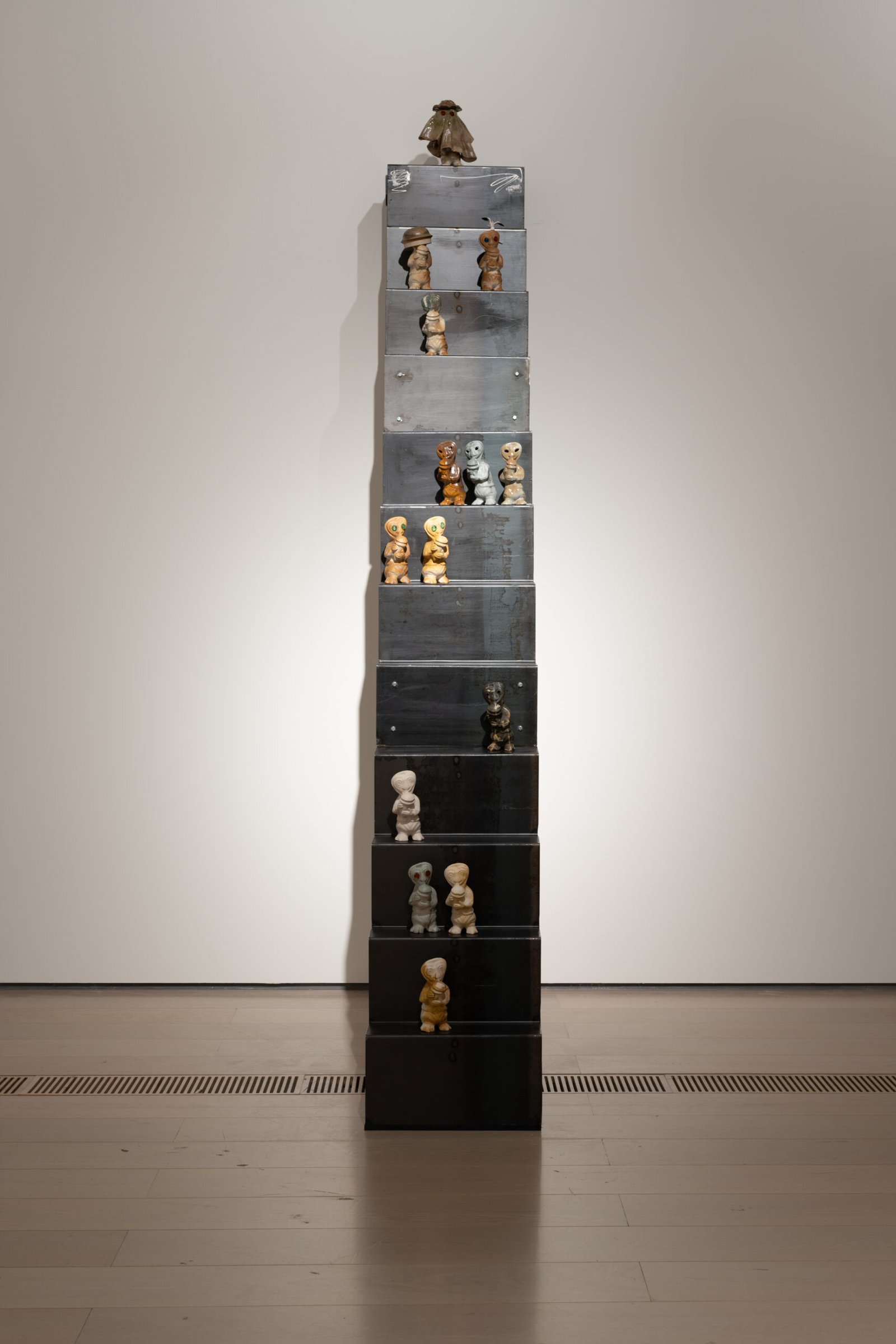
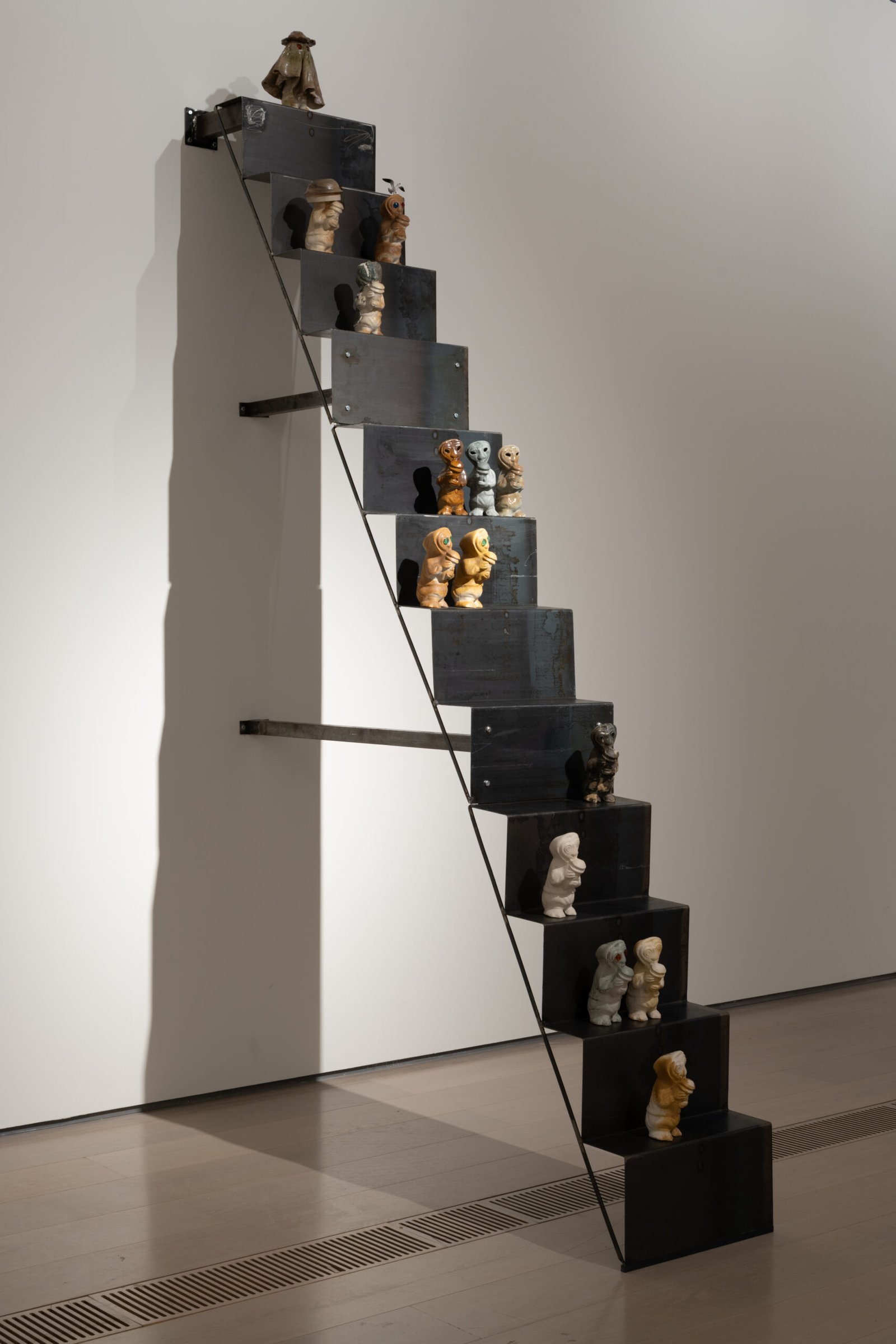
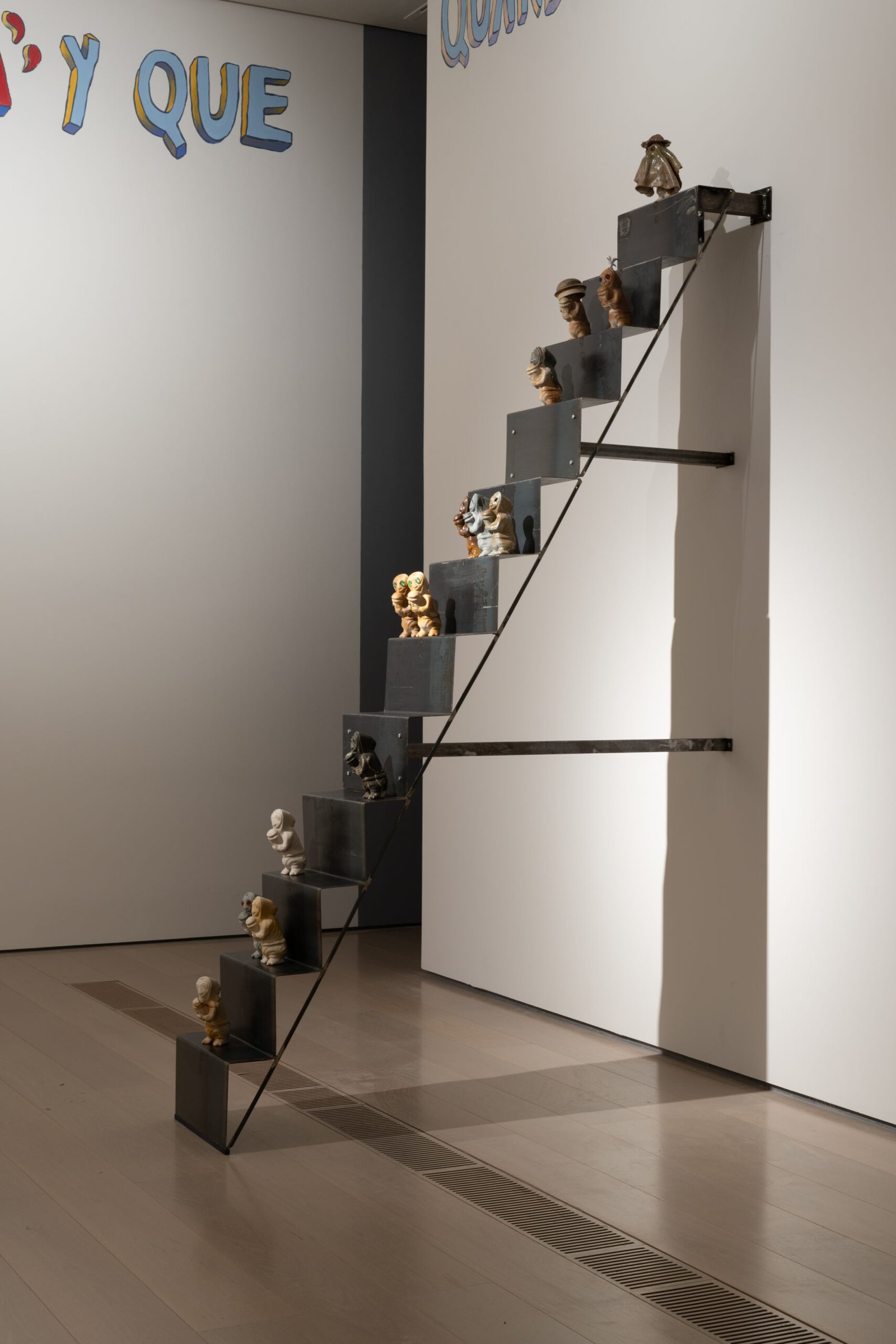
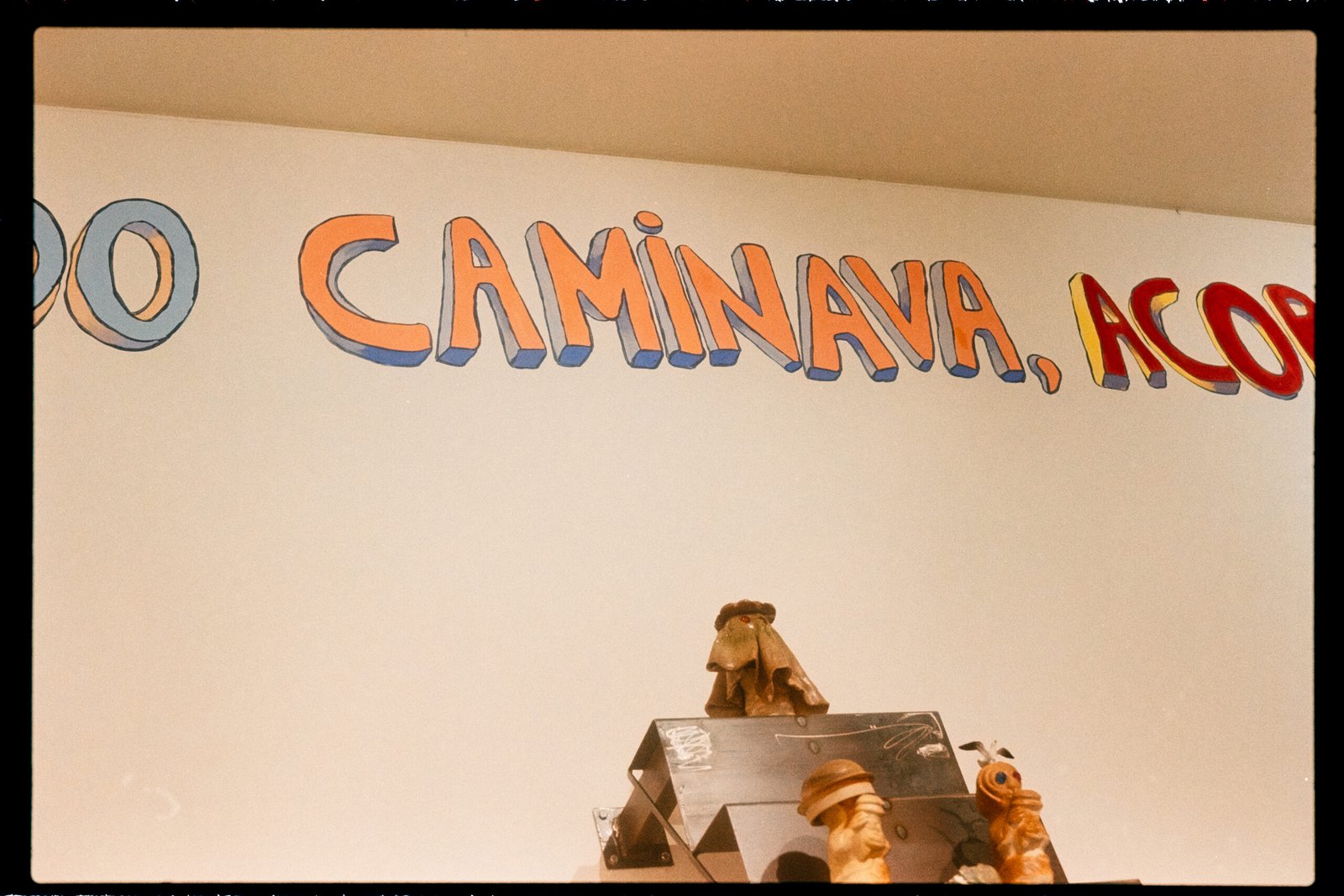
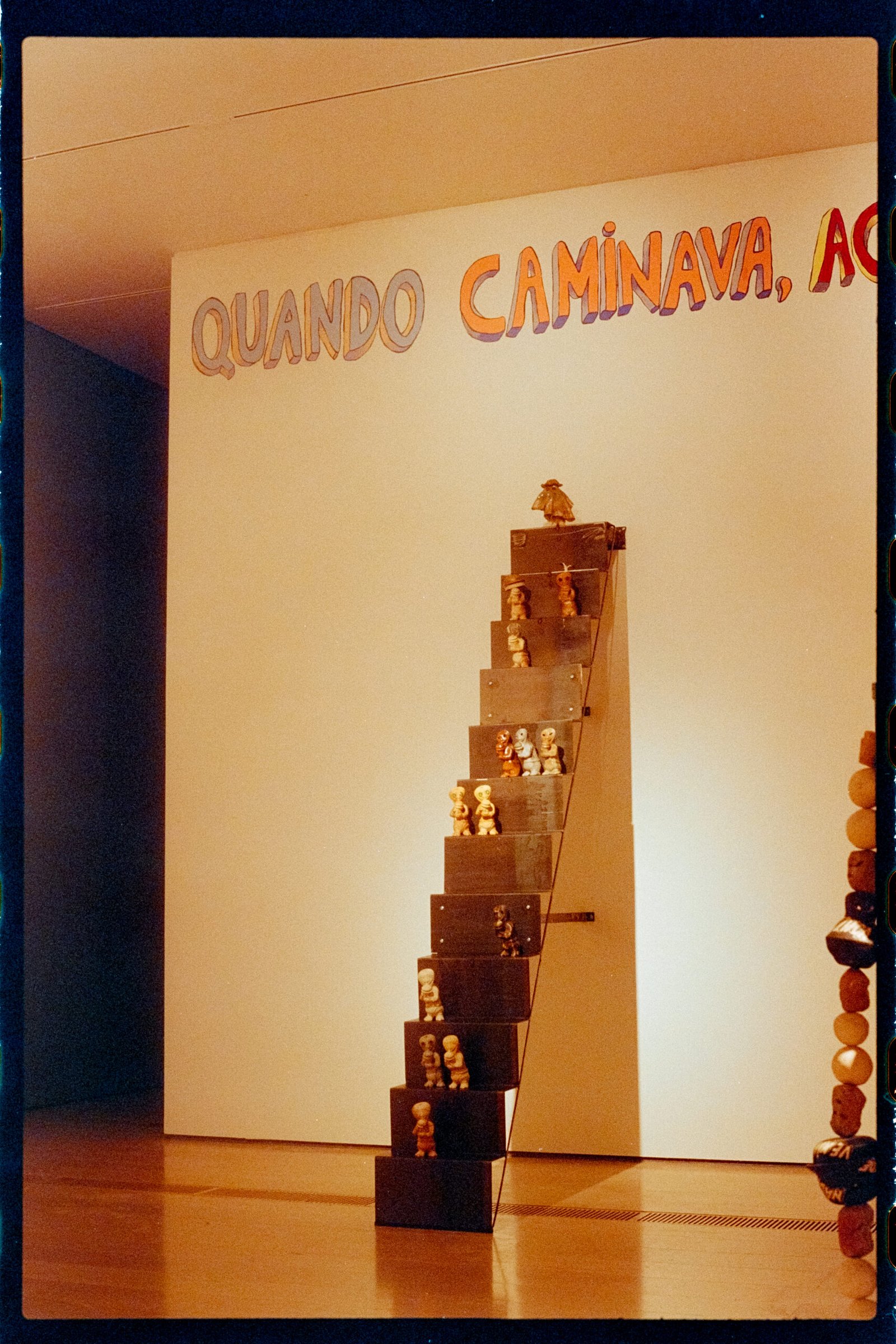
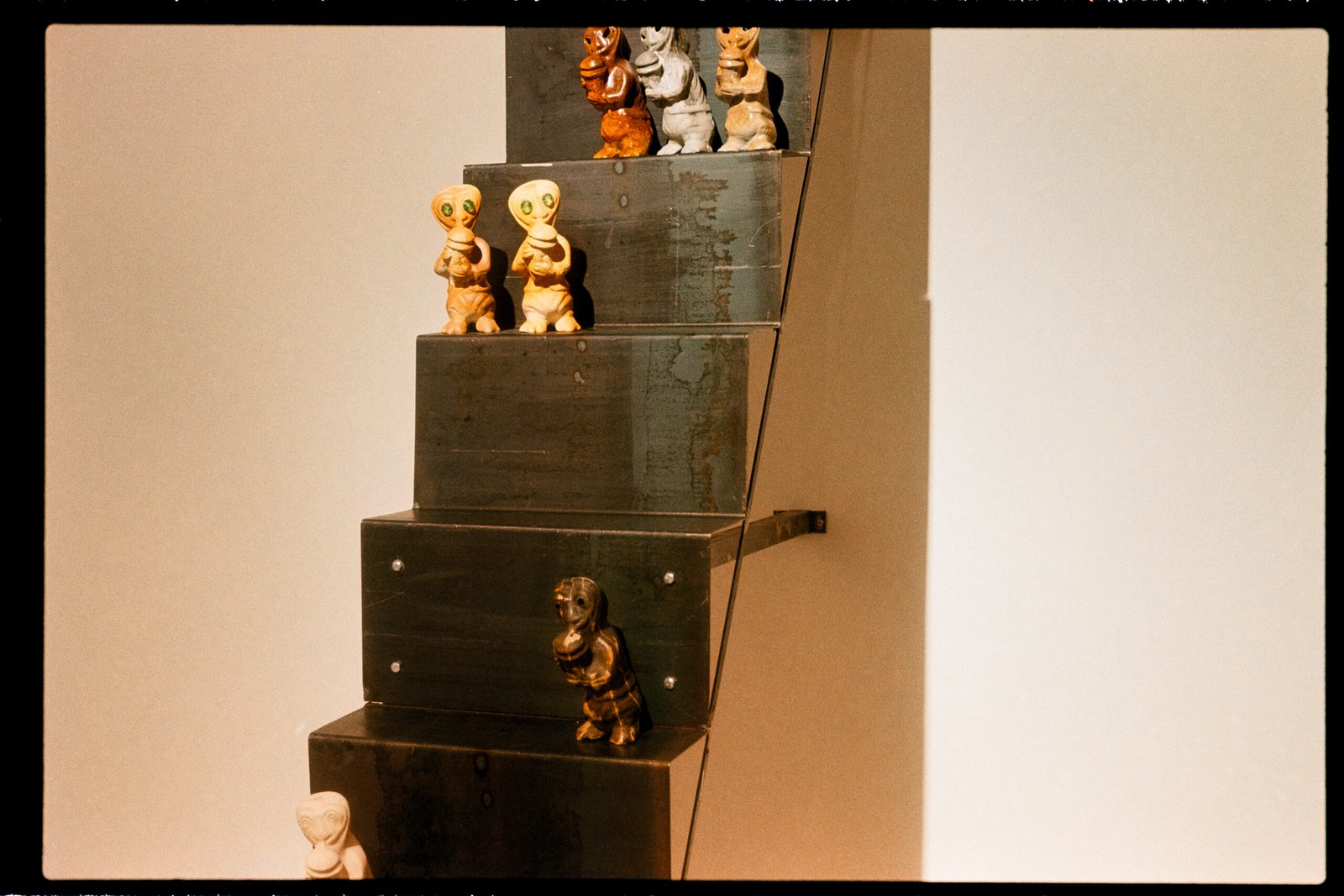
Close encounter
Installation. Iron staircase and 14 ceramic piggy banks.
180 × 50 × 300 cm
2025
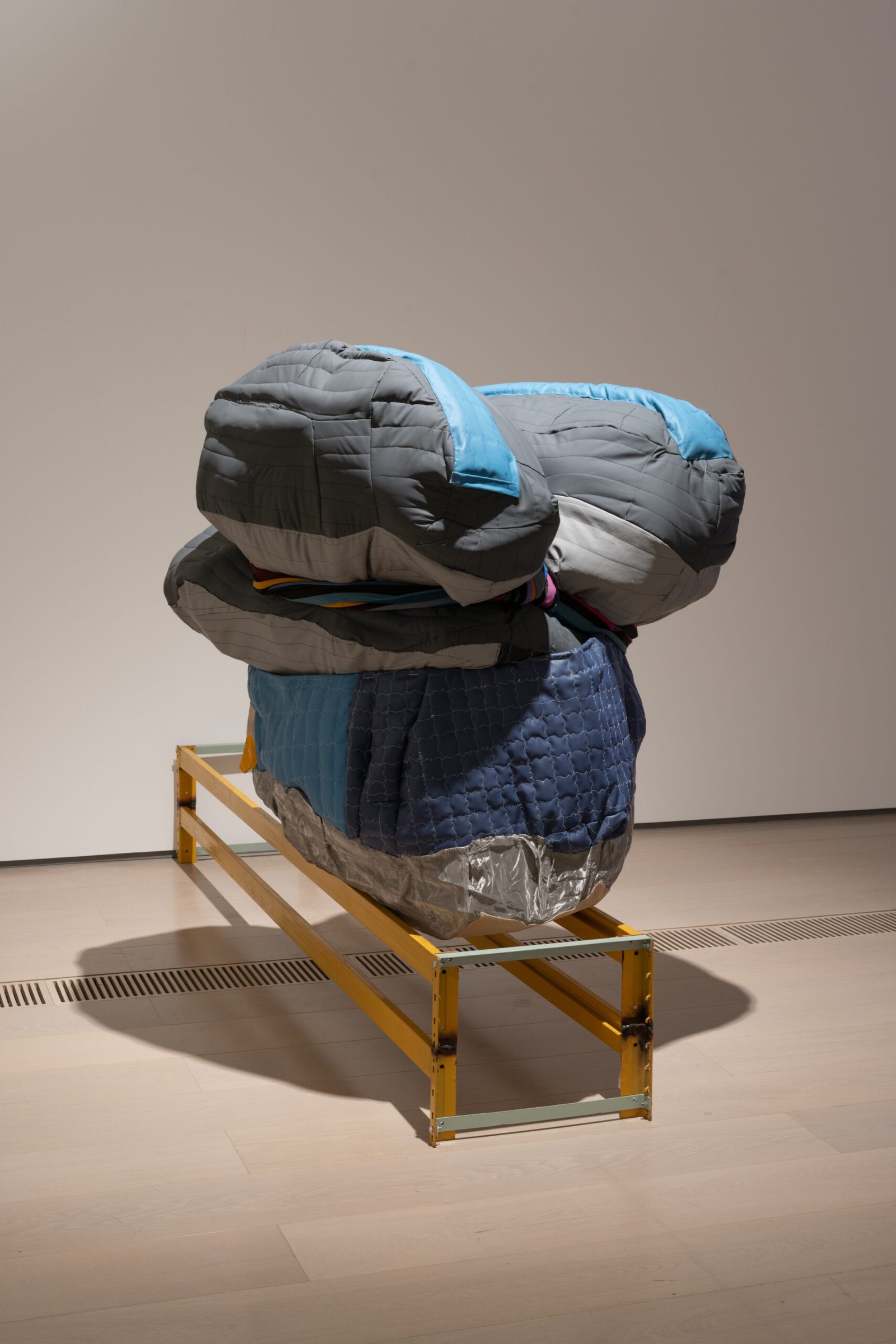

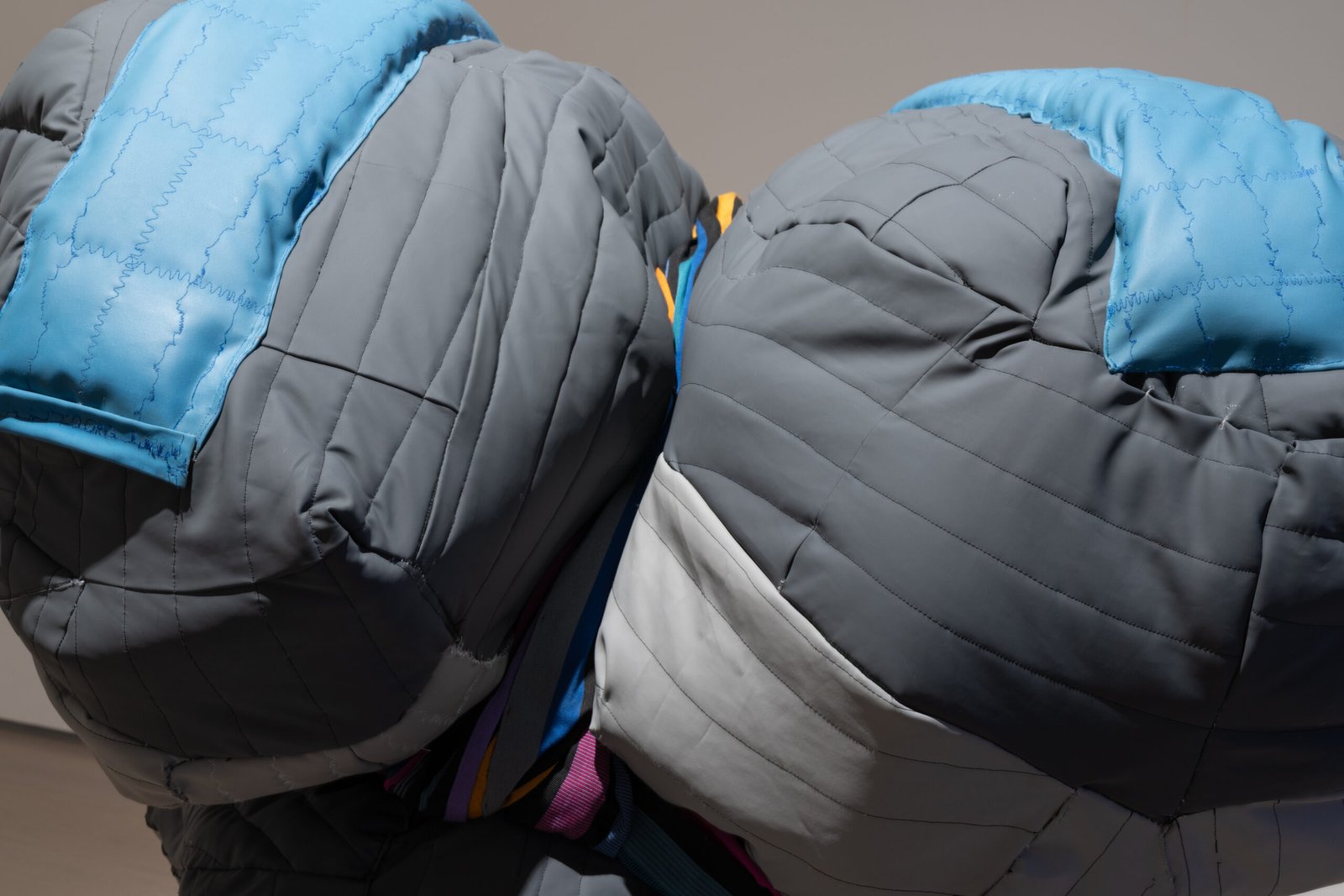
Pachacutec
Metal, fruit-based vegan leather (made from grape and persimmon),
and backstrap-loom textile
110 × 135 × 130 cm
2025
In collaboration with Marina Álvarez
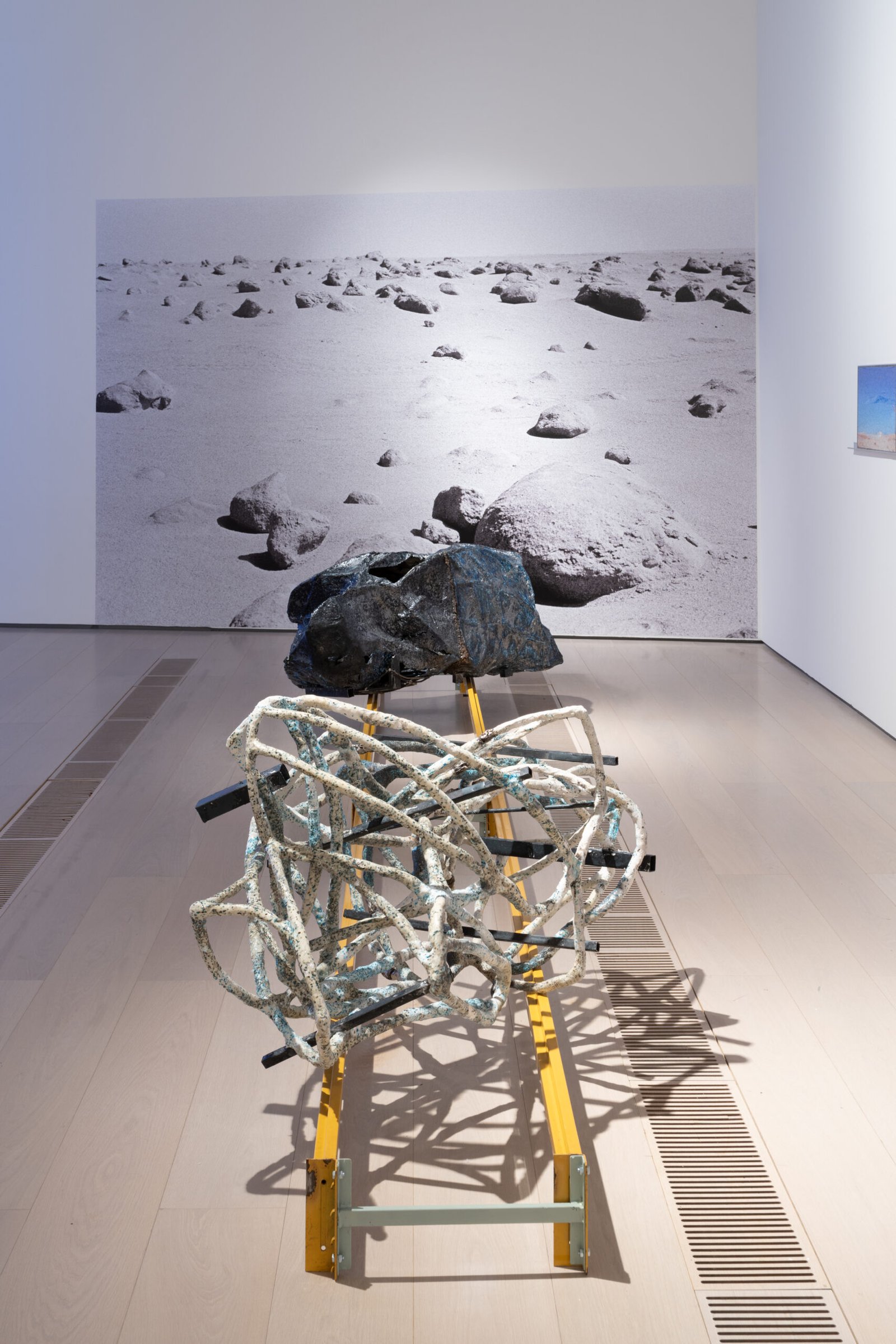
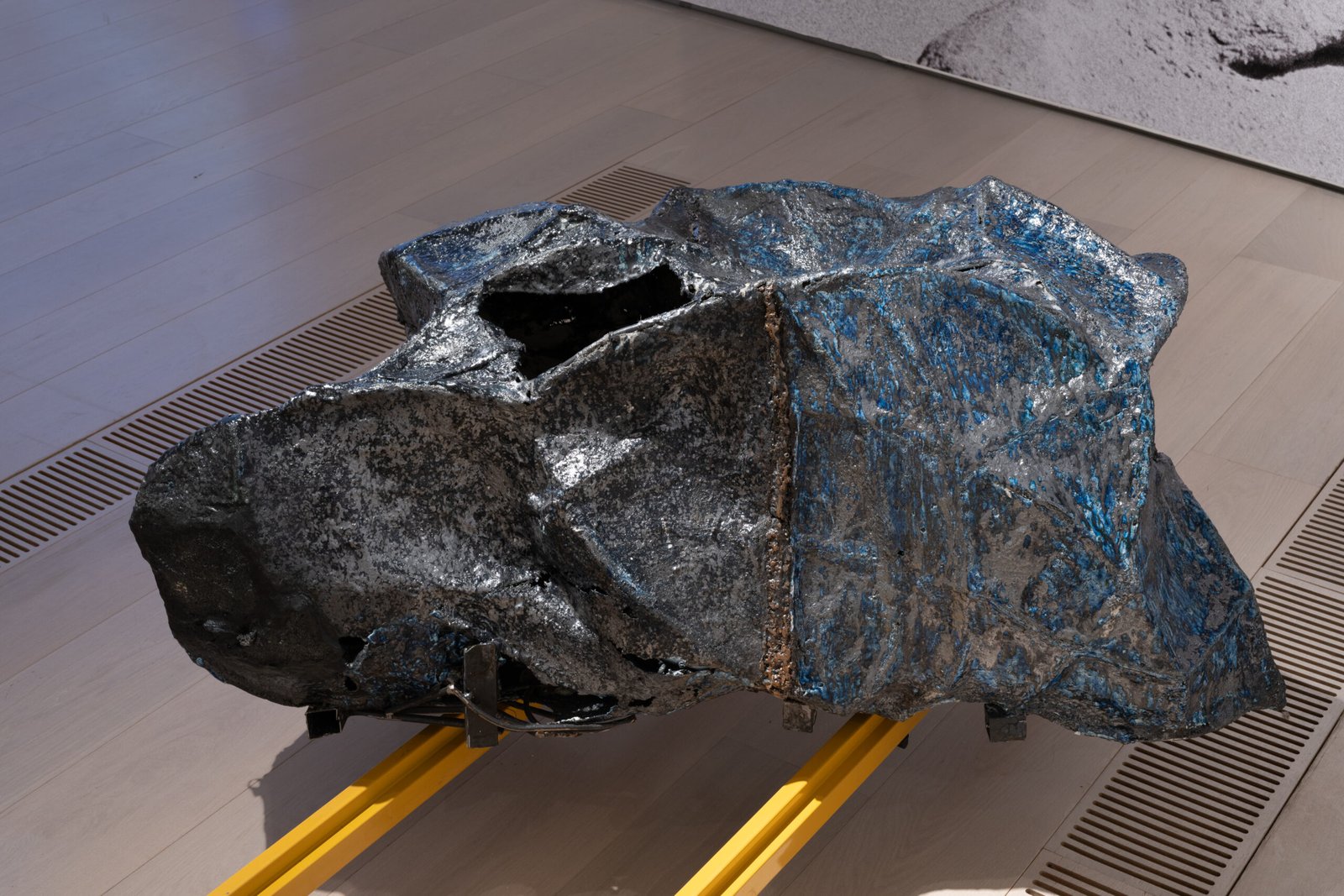
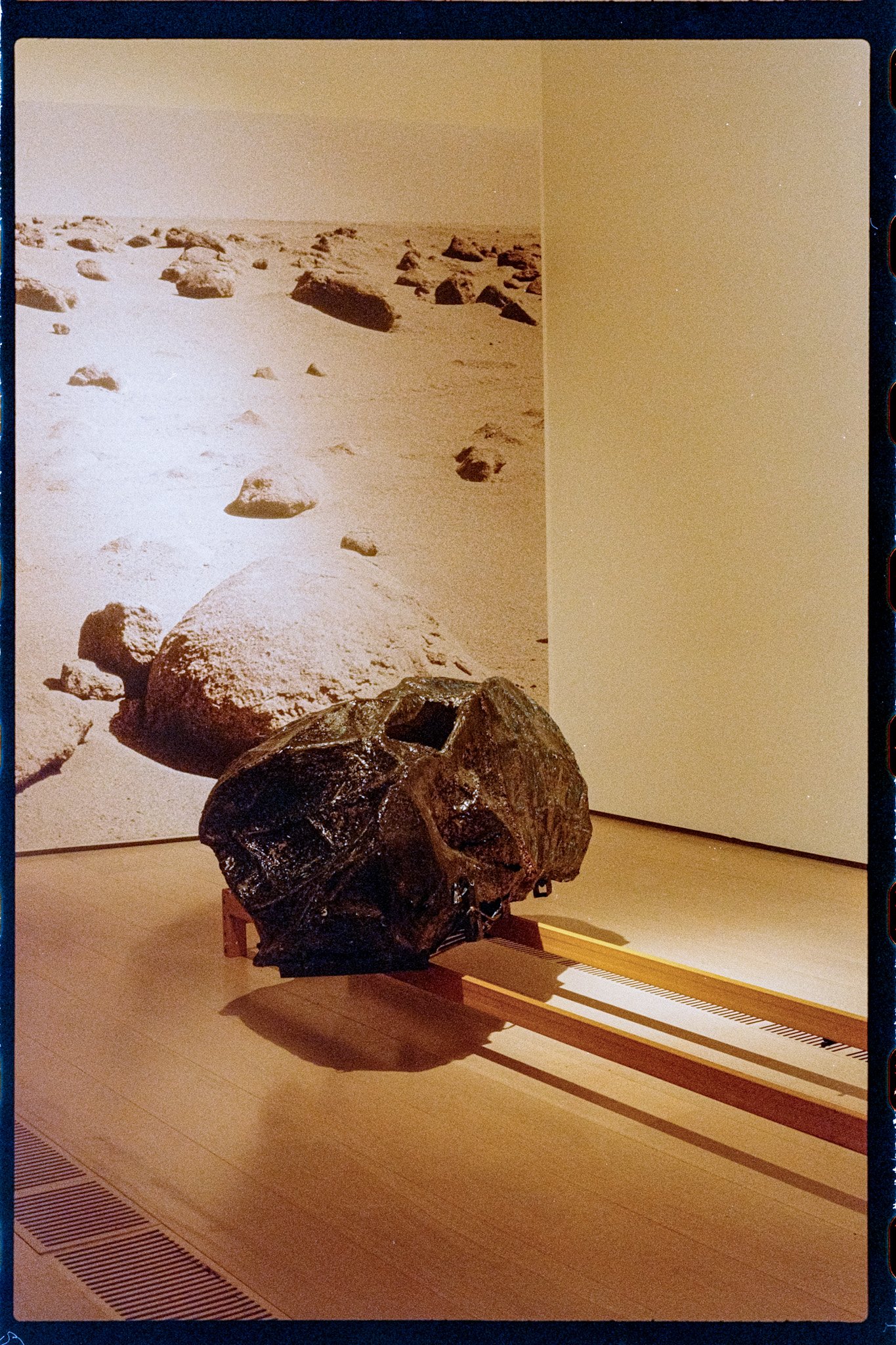
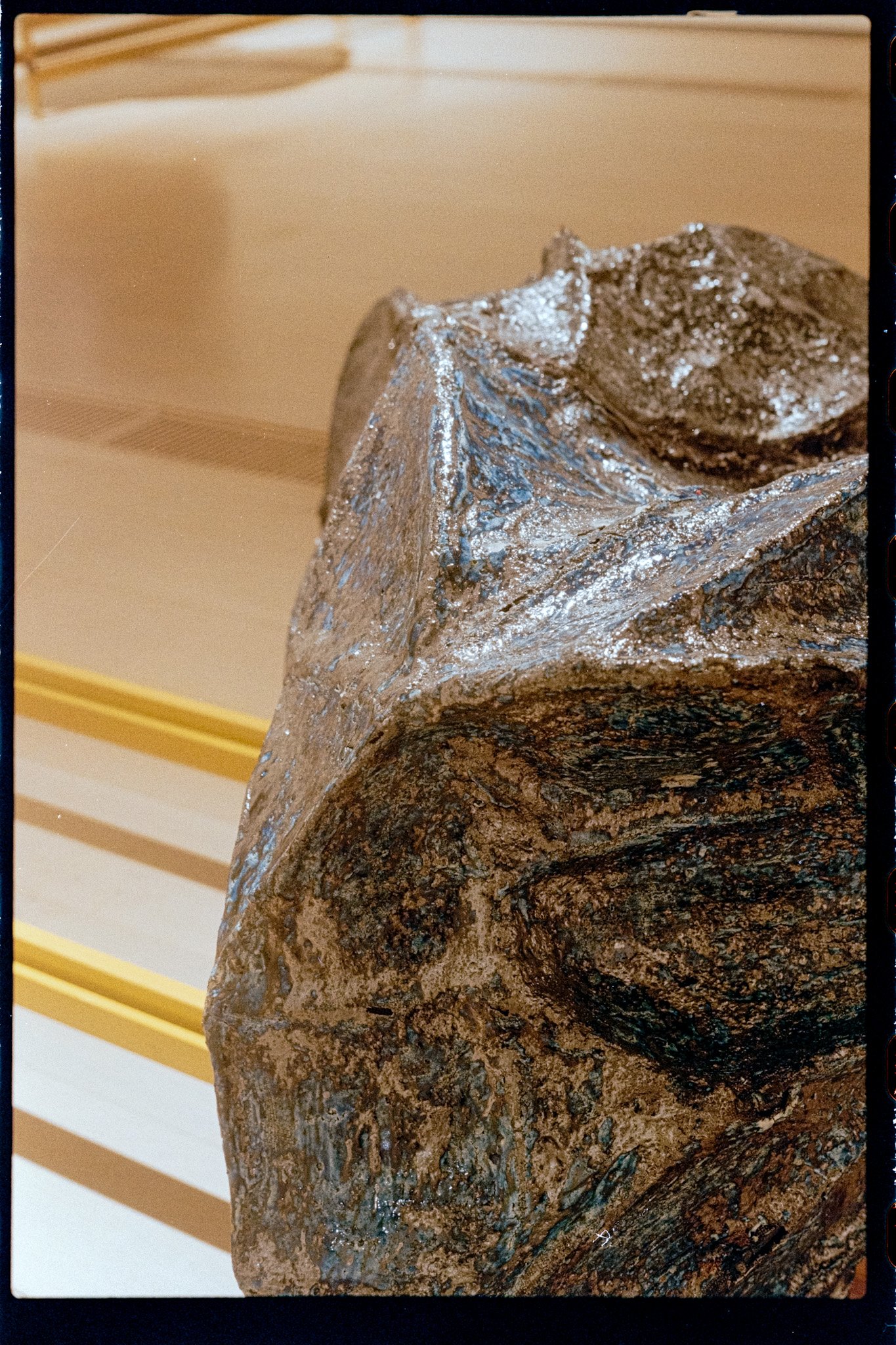
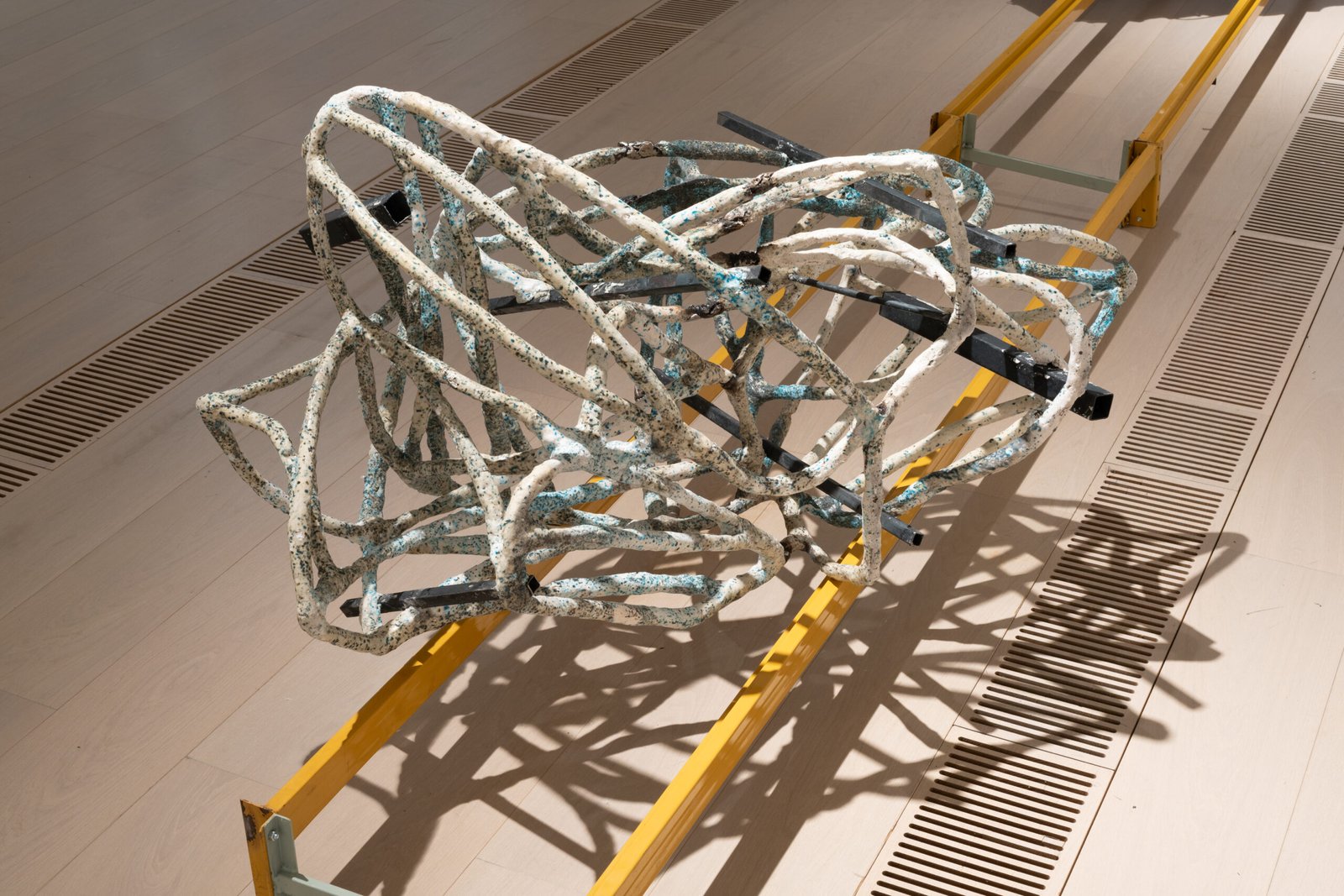
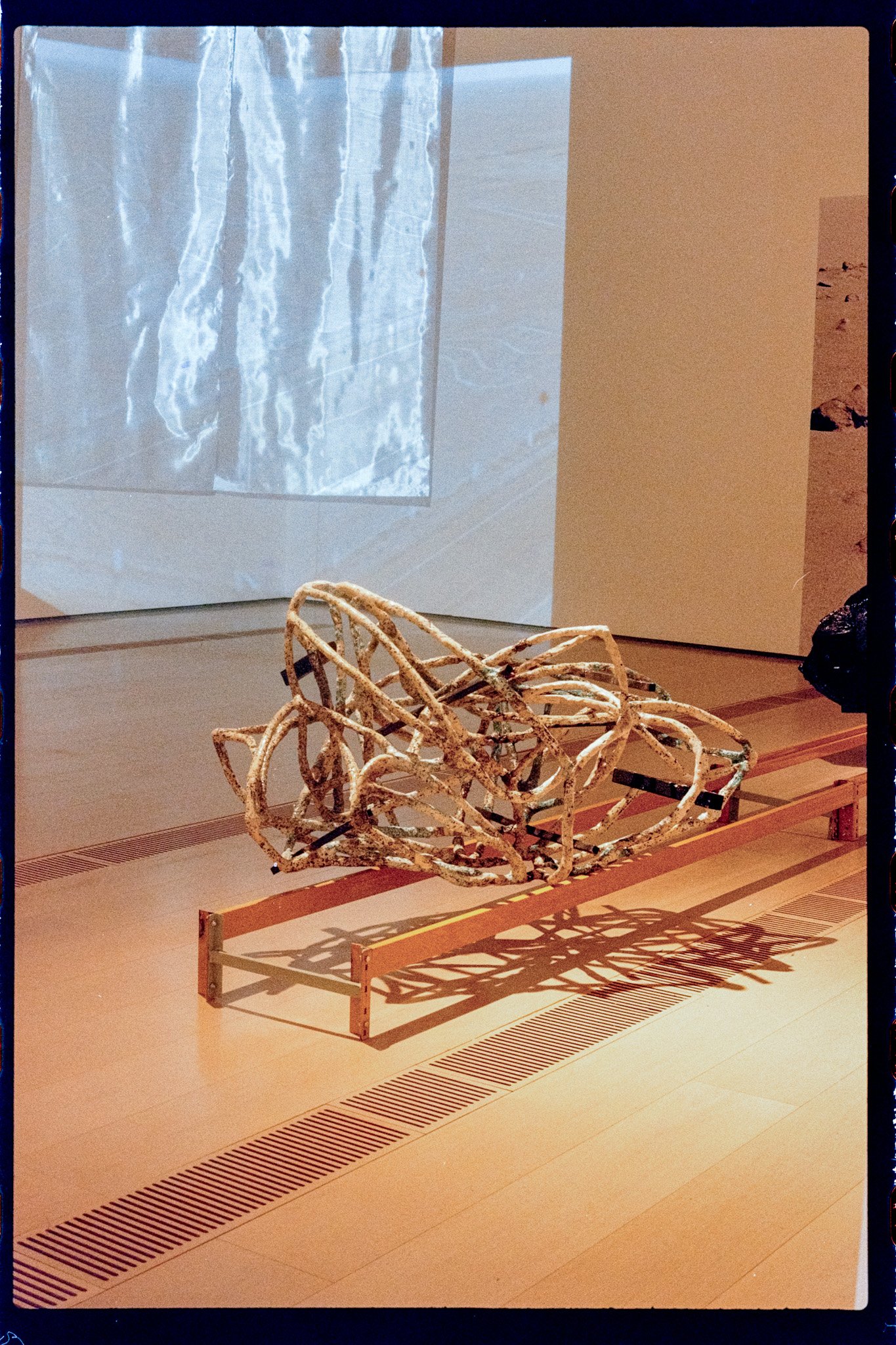
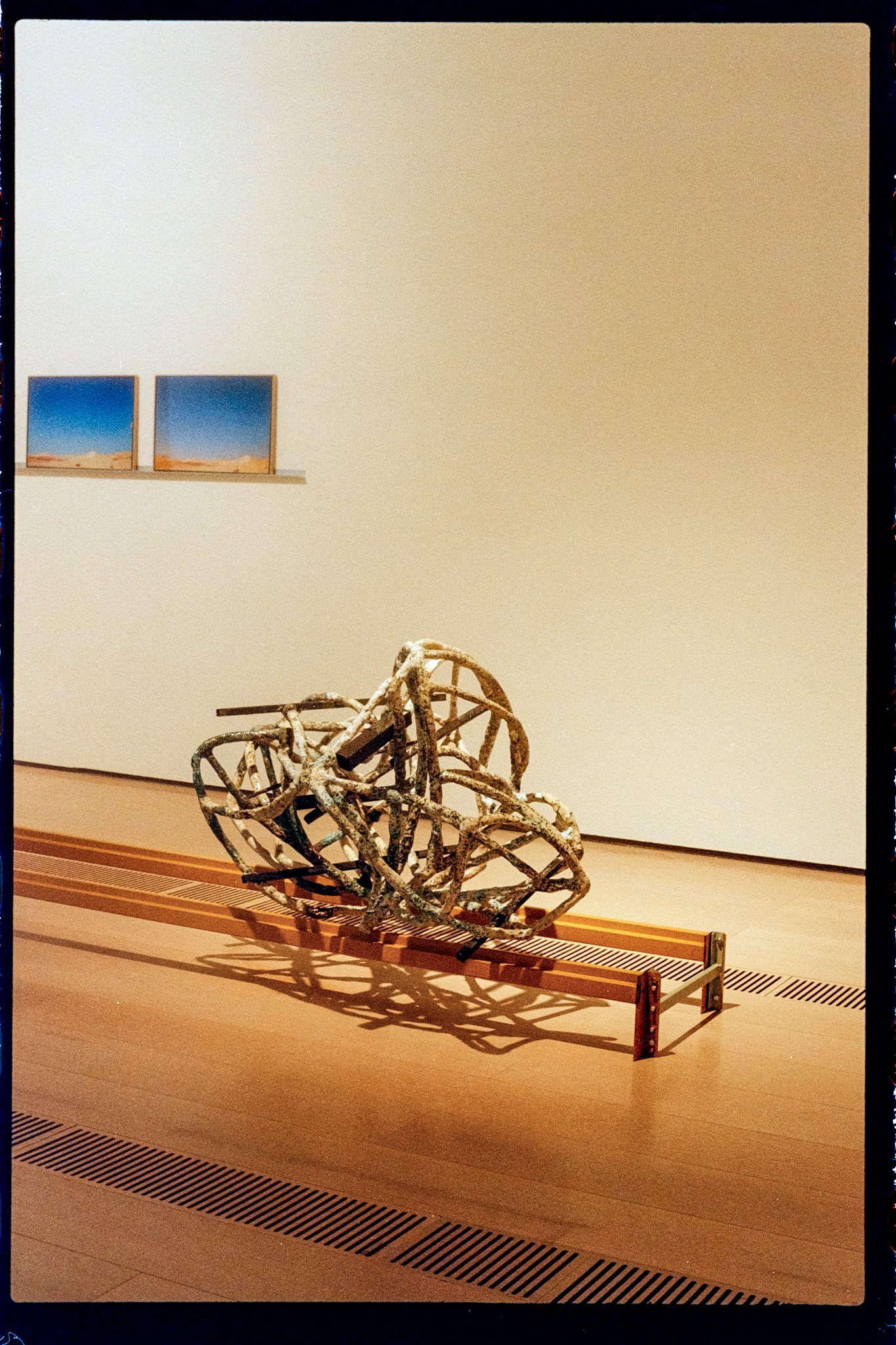
Meteorite Skin / Meteorite Skeleton
Installation
Iron, paint, ceramic
160 × 75 × 75 cm (each ceramic piece)
Digital print from 35 mm negative (photograph).
300 × 400 cm
2025
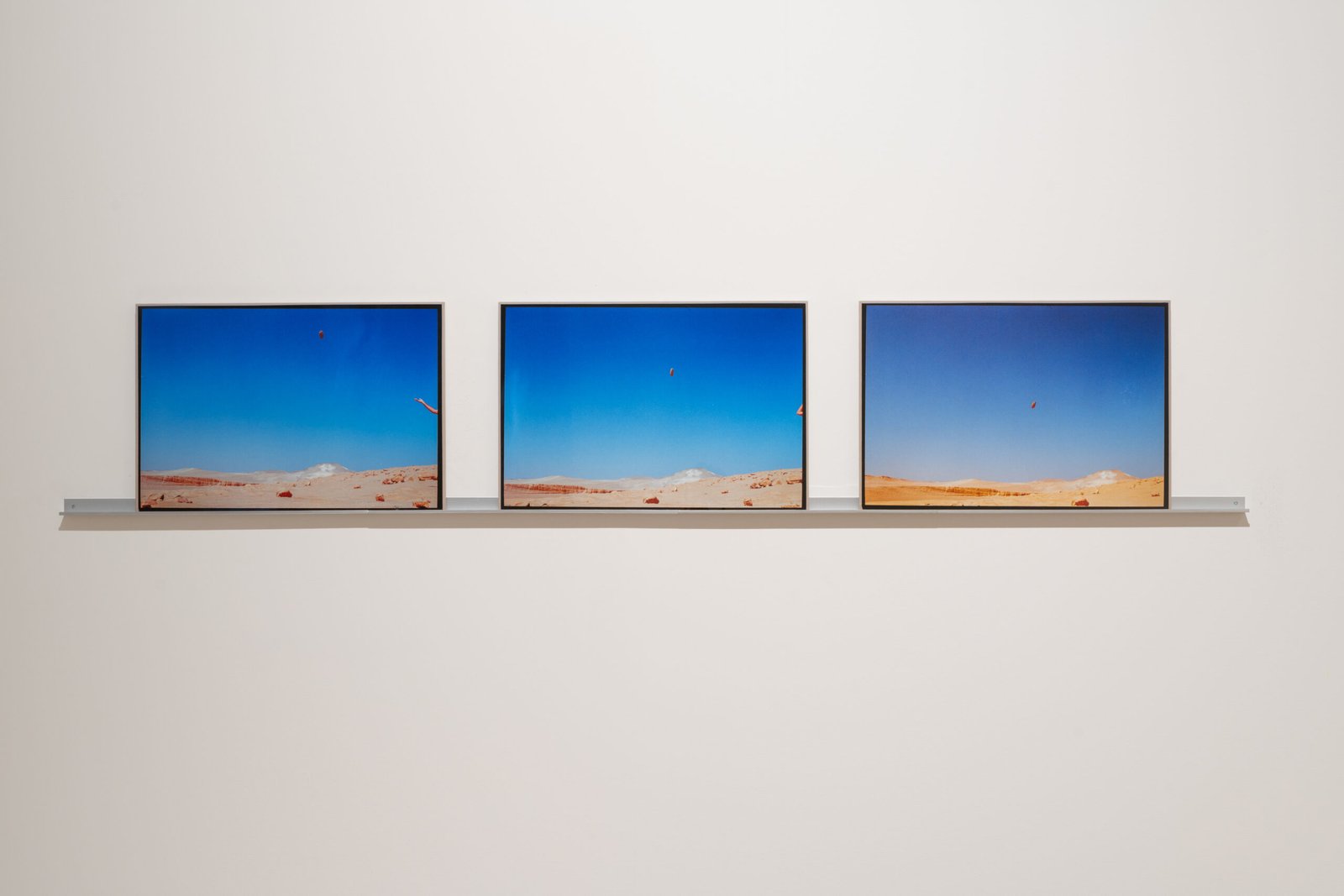
Flying Object
Archival pigment print from scanned
analog negative on fine art paper,
edition of 5 + 2 AP
60 × 170 cm
2025
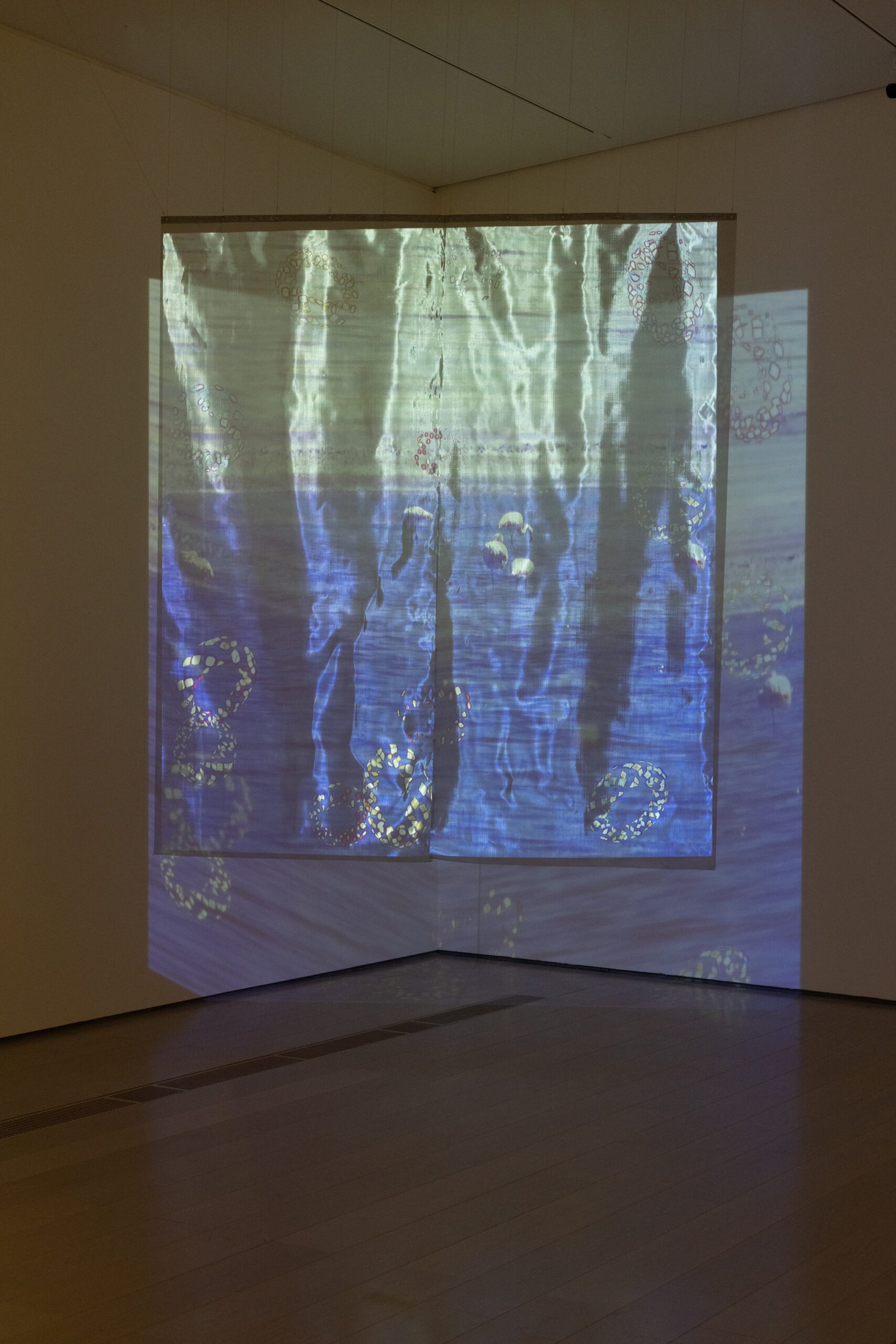
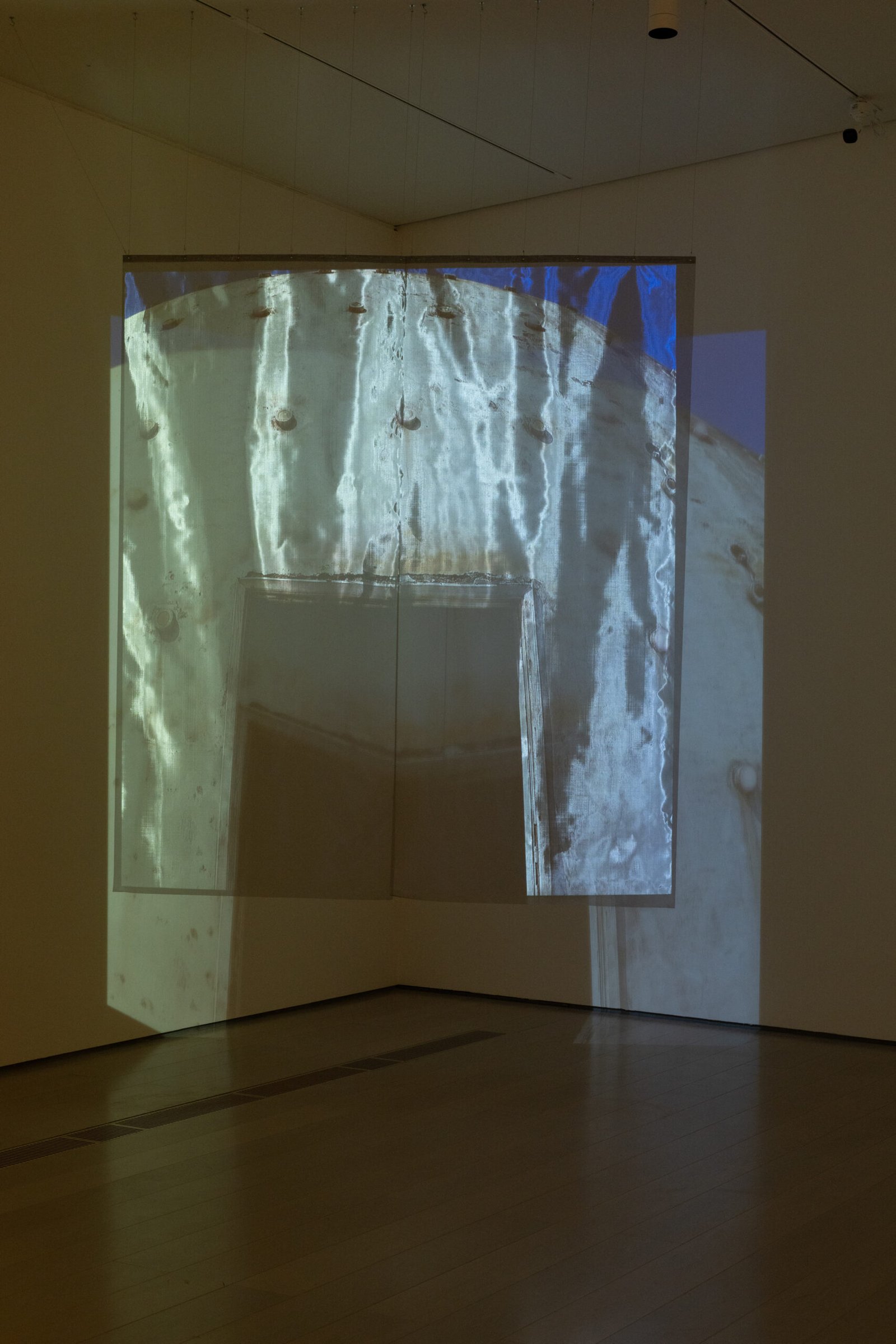
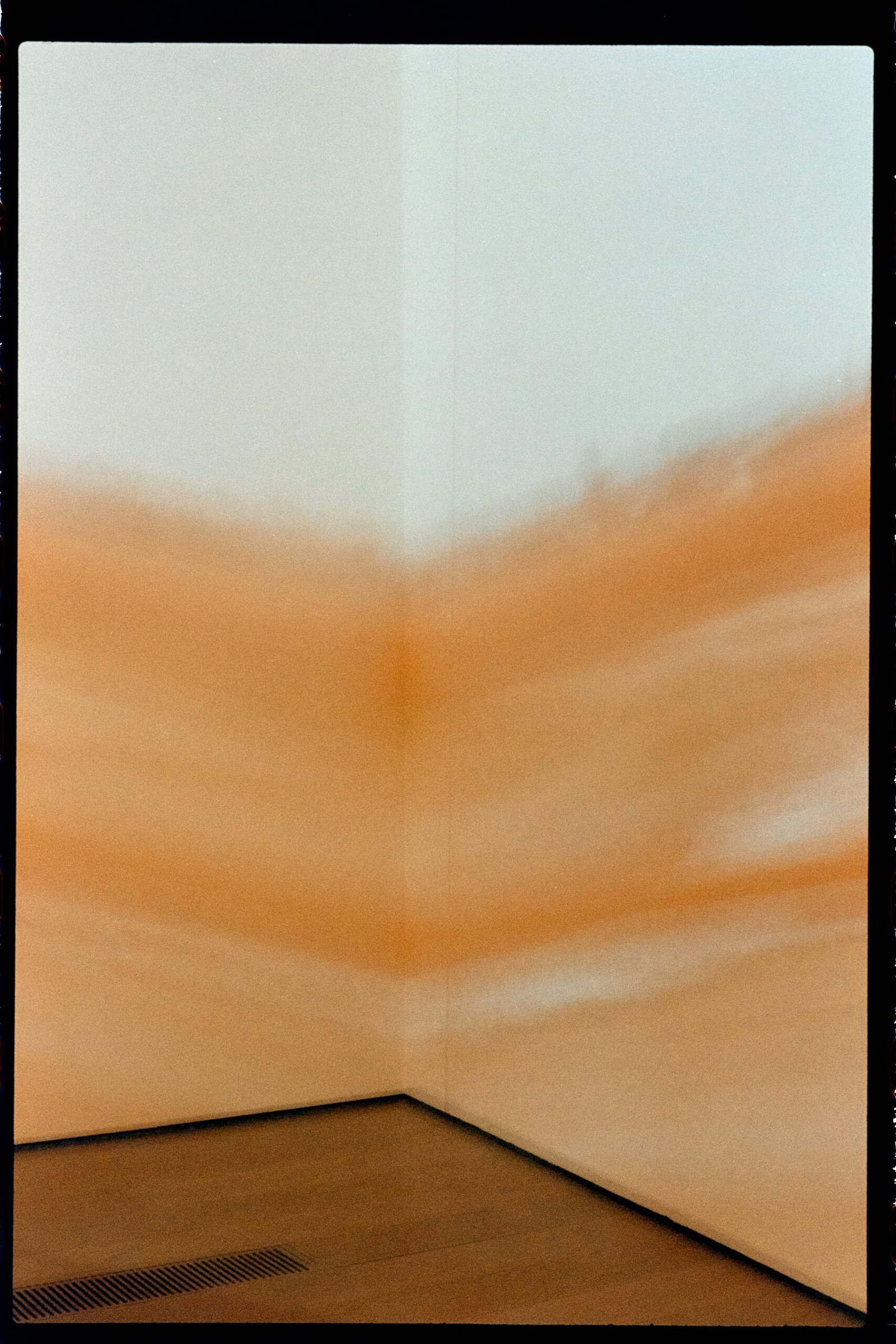
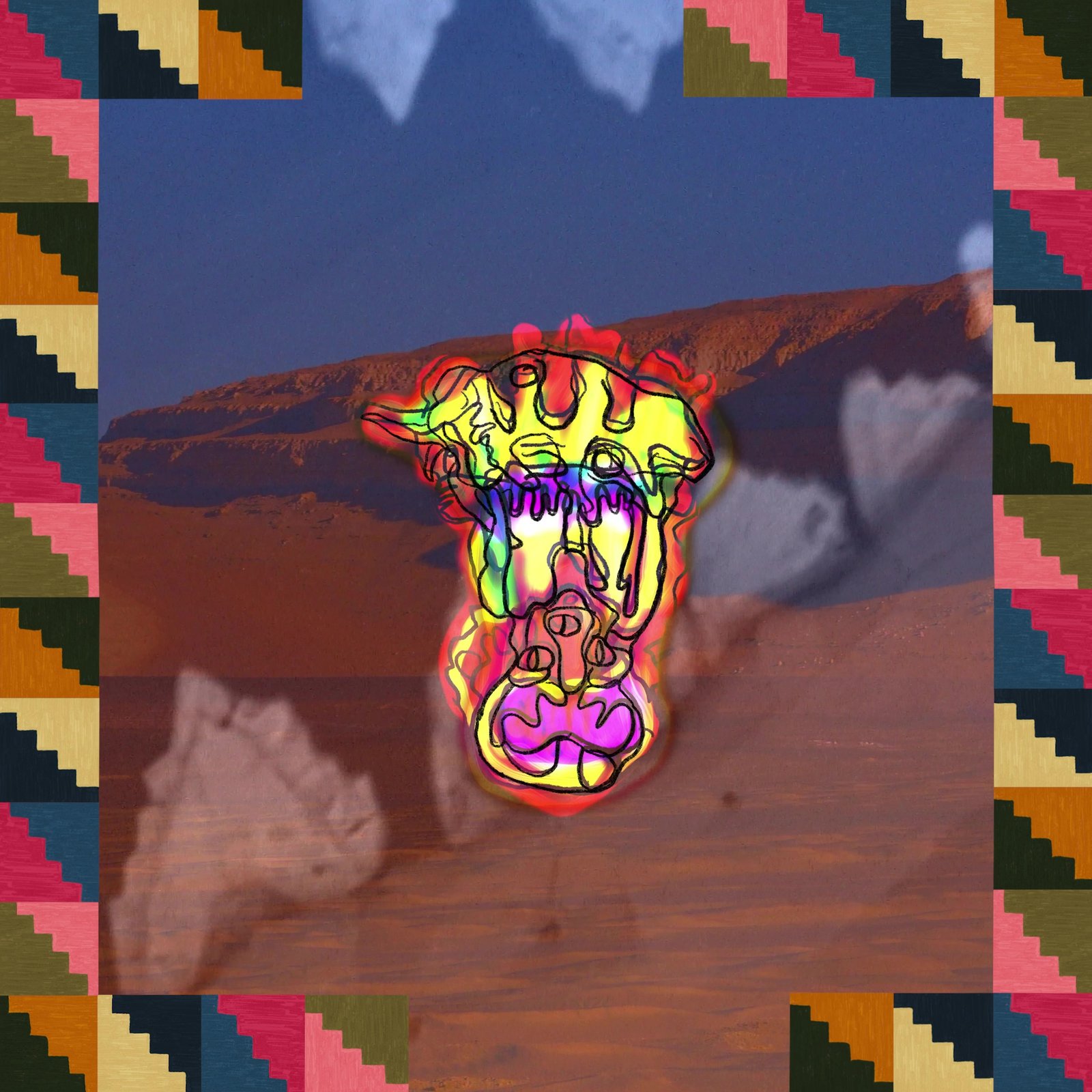
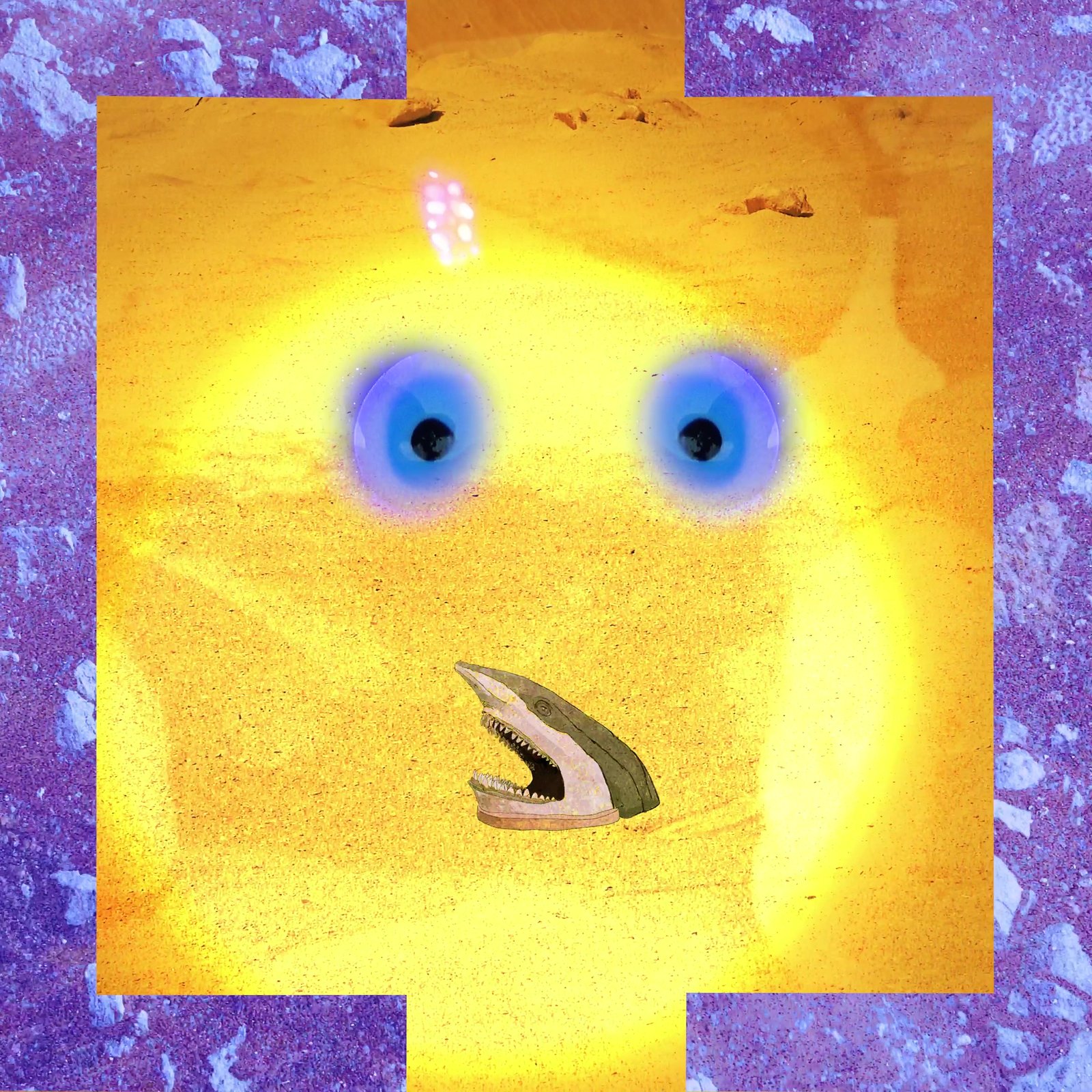
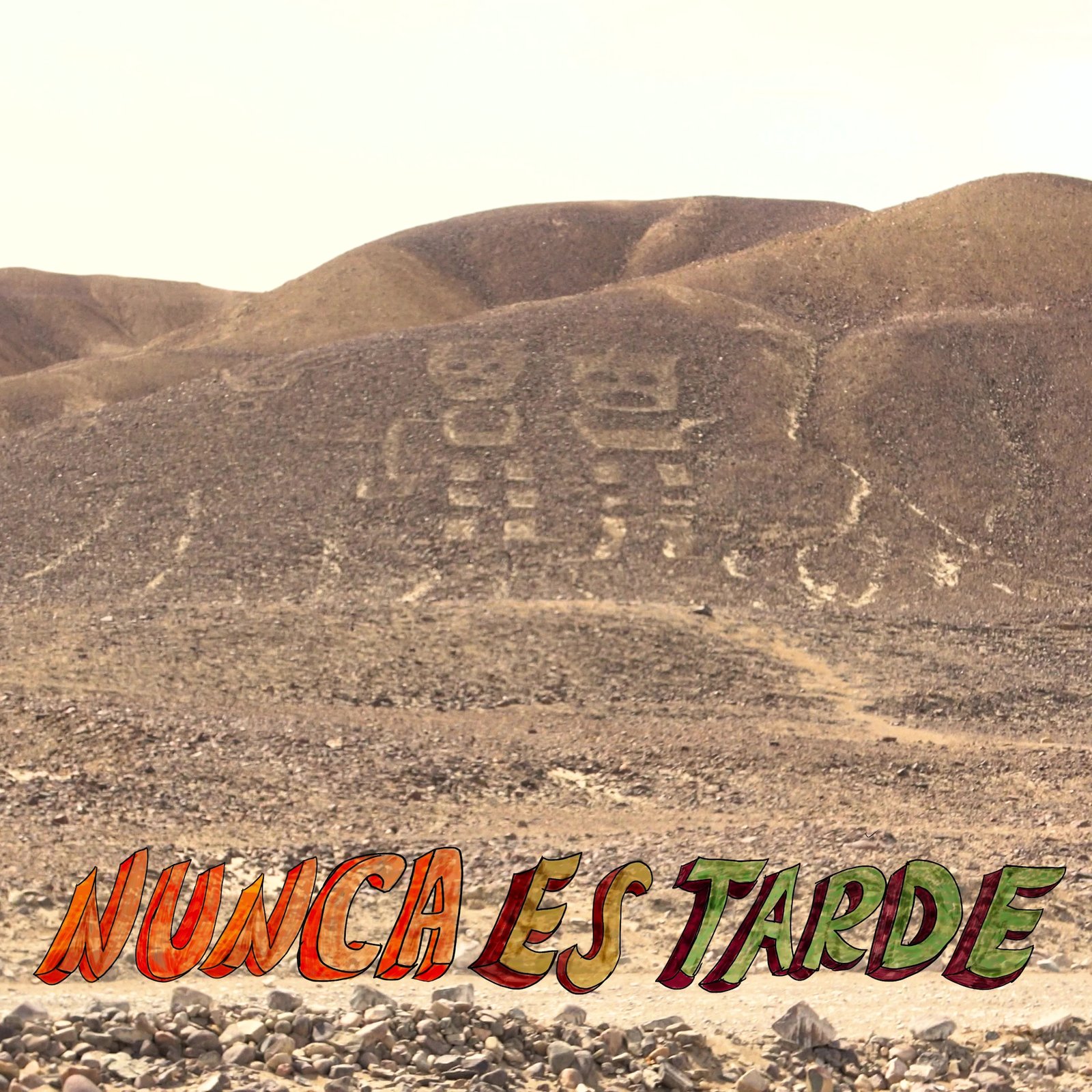
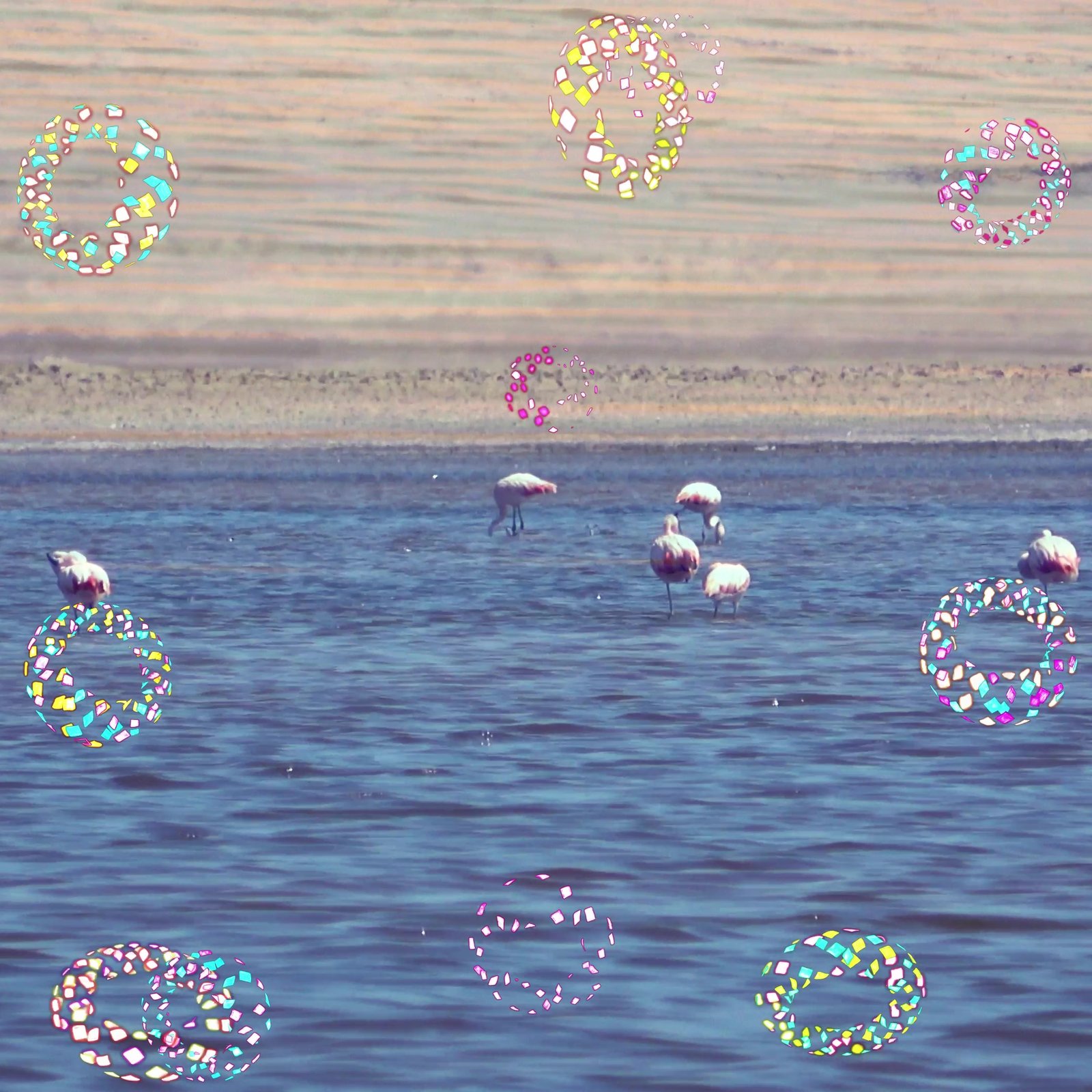
They Saw Something in the Sky
Co-production, animation, script and direction:
Javier Bravo de Rueda & Rocío López Quemes
4K animation video
8 minutes
2025