Le Jardin de Ciro et autres histories
CCC La Borne
Henrichemont, France
2024
In collaboration with Charlotte Poulsen
A labyrinth that is a forest a garden that is the center
An apple tree
and four seasons
The earth’s slow creation
the kitchen’s tender simmer
A steady flame
the sound of rain
According to Thomas Browne, “The Garden of Cyrus”, also known as “Cyrus’s Paradise”, is one of the oldest and most emblematic references to the idea of the garden as a sacred and symbolic space. His personal garden, known in ancient Persian as pairidaeza, was not merely a green space but an expression of power and knowledge. It was an enclosed space, like a highly symmetrical labyrinth, carefully designed and ordered. Gardens are not only places of aesthetic beauty but, by enclosing a space and organizing it according to a particular design, humans transform natural disorder into a microscopic reflection of their own vision of cosmic order and harmony.
“Nor is this only a form of practice in Plantations, but found imitation from high Antiquity, in sundry artificial contrivances
and manual operations.” (Browne, 1658)
A forest is not a garden. It is a natural labyrinth; but a human, architectural, and artificial labyrinth is an ordered chaos, an intellectual challenge that tries to find meaning amidst confusion. It can be seen as a process of learning and discovery. As we venture into the labyrinth, we face decisions, dilemmas, and crossroads that force us to reflect and make critical choices. According to Borges, it is a symbol of being lost, of being perplexed and astonished by something we have not yet traversed or known. The labyrinth is its own center, but also its shortcuts and false exits. Similarly, we create our own networks that conceal, distract, deceive, and organize the temporal knots of the mind.
The garden is a respite. It is a limited and observable time of “melancholic metamorphosis”. It is a space to walk through
calmly, to discreetly gather the fruits of the seasons, and to observe the organized work of the beings that keep it alive. It is an intimate relationship with the sound and smell of the
elements, and a space to soothe the noises of the outside world.
The complexity and particularities of the pieces developed for this physical and material narrative are products of constant conversation, living together, and sharing the day-to-day with another person and their own stories. The pieces and the creative processes fit together and grow organically, slowly cooking over the course of four seasons.
“Under the trees of England I meditated on this lost and perhaps mythical labyrinth. I imagined it untouched and perfect on the secret summit of some mountain; I imagined it drowned under rice paddies or beneath the sea; I imagined it infinite, made not only of eight-sided pavilions and of twisting paths but also of rivers, provinces, and kingdoms… I thought of a maze of mazes, of a sinuous, ever-growing maze which would take in both past and future and would somehow involve the stars. Lost in these imaginary illusions I forgot my destiny – that of the hunted. For an undetermined period of time I felt myself cut off from the world, an abstract spectator.” (Borges, 1944)
With Charlotte, what connects us besides making clay pieces is literature, music, and, of course, food. She makes an apple and walnut cake from her own garden that, during long periods of work, becomes a reward. Javier Bravo de Rueda August 19, 2024
—
### Reference Sources:
Browne, T. (1658). The garden of Cyrus. Available from https://ar-
chive.org/details/thegardenofcyrus00brow
Borges, J. L. (1944). Ficciones. Available from https://archive.org/de
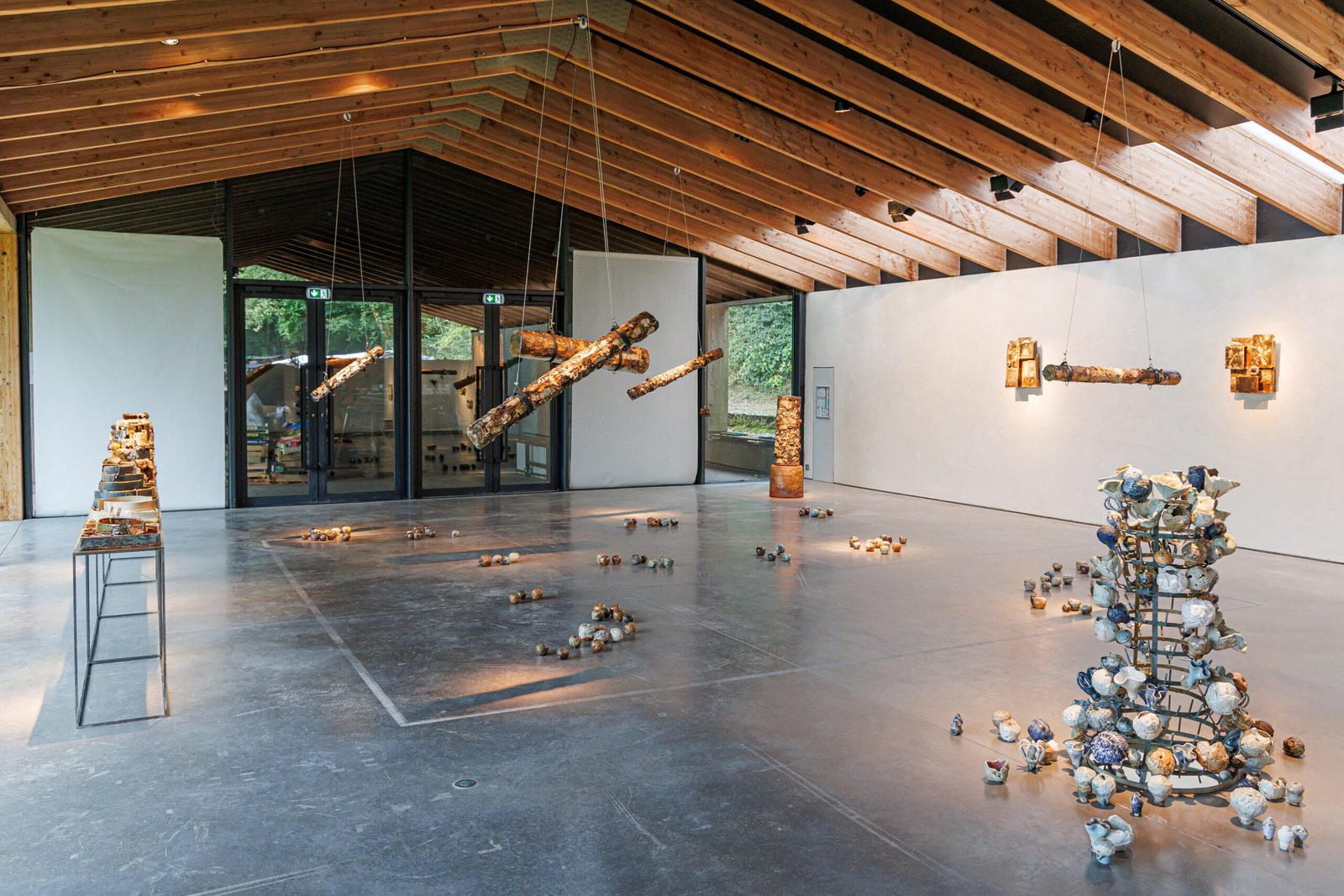
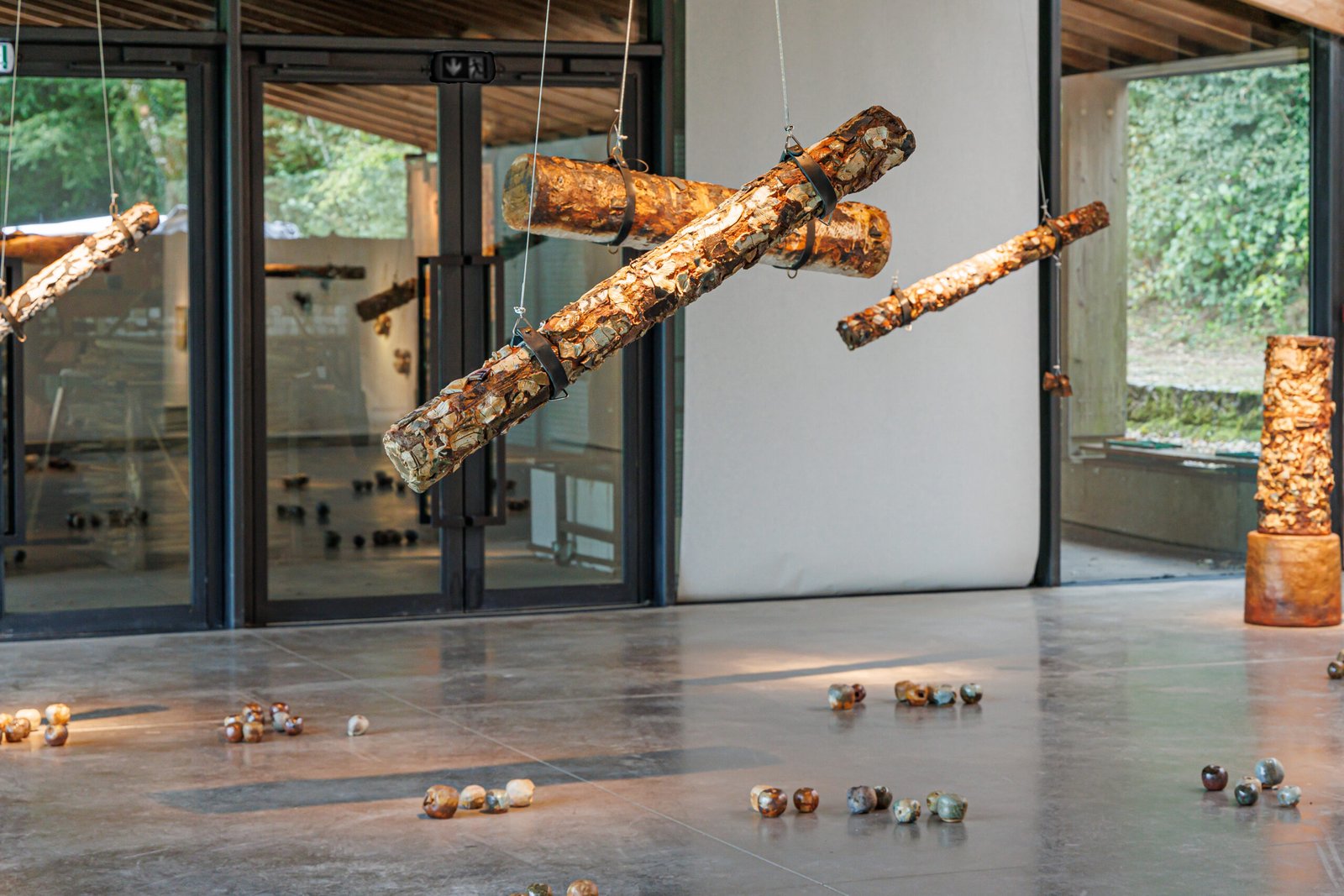
Exhibition Views
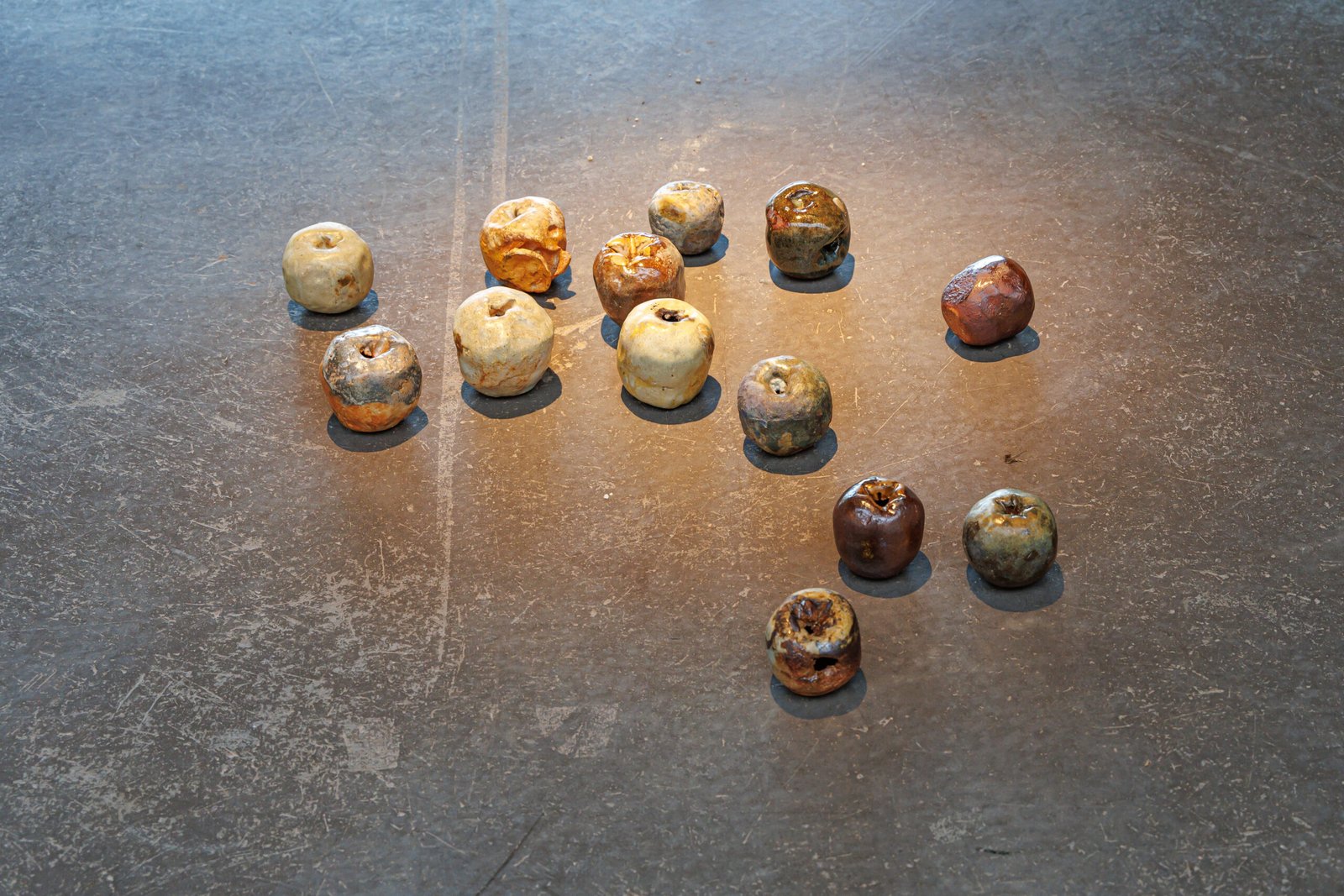
Apples
Wood-fired stoneware
2024
Variable dimensions
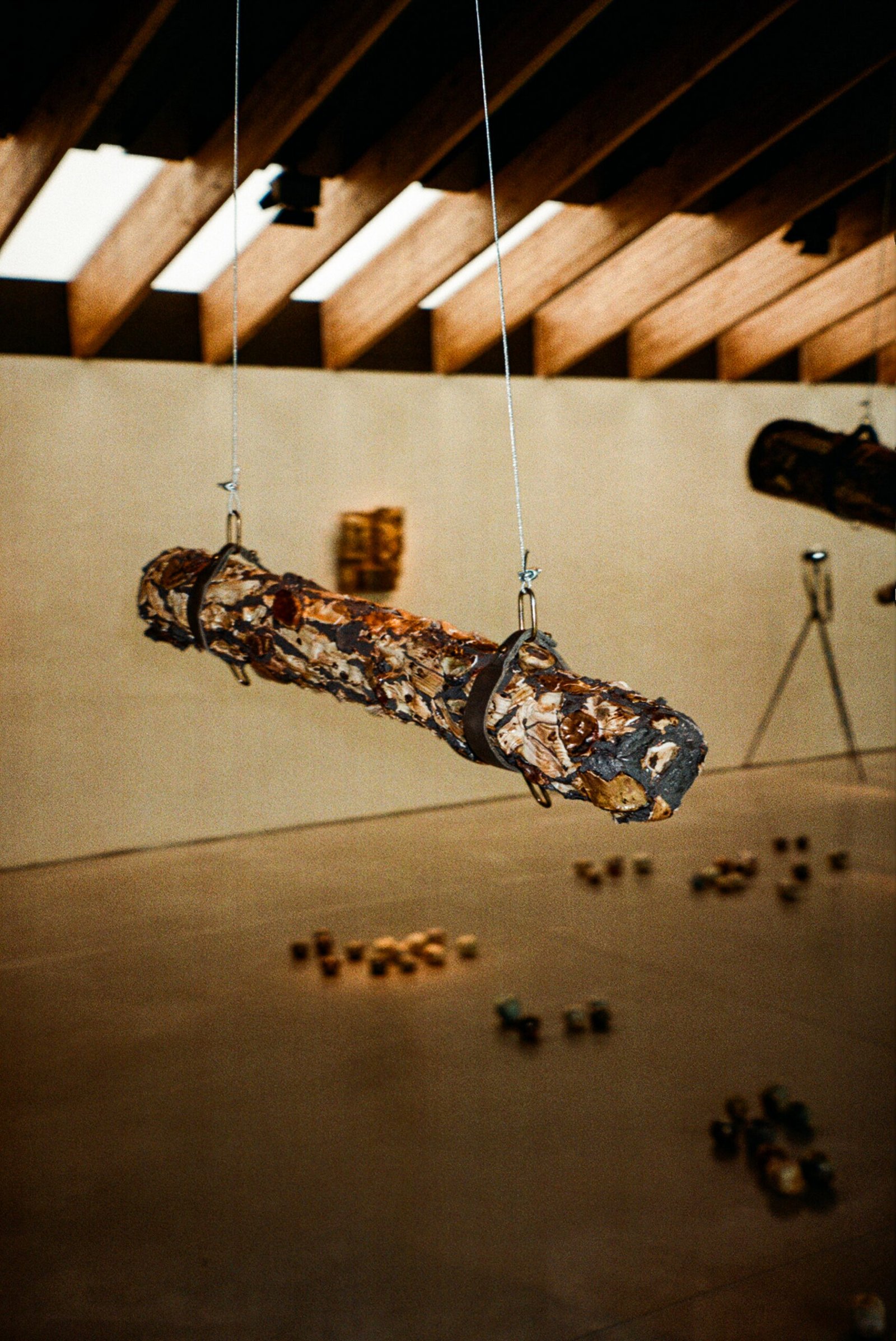
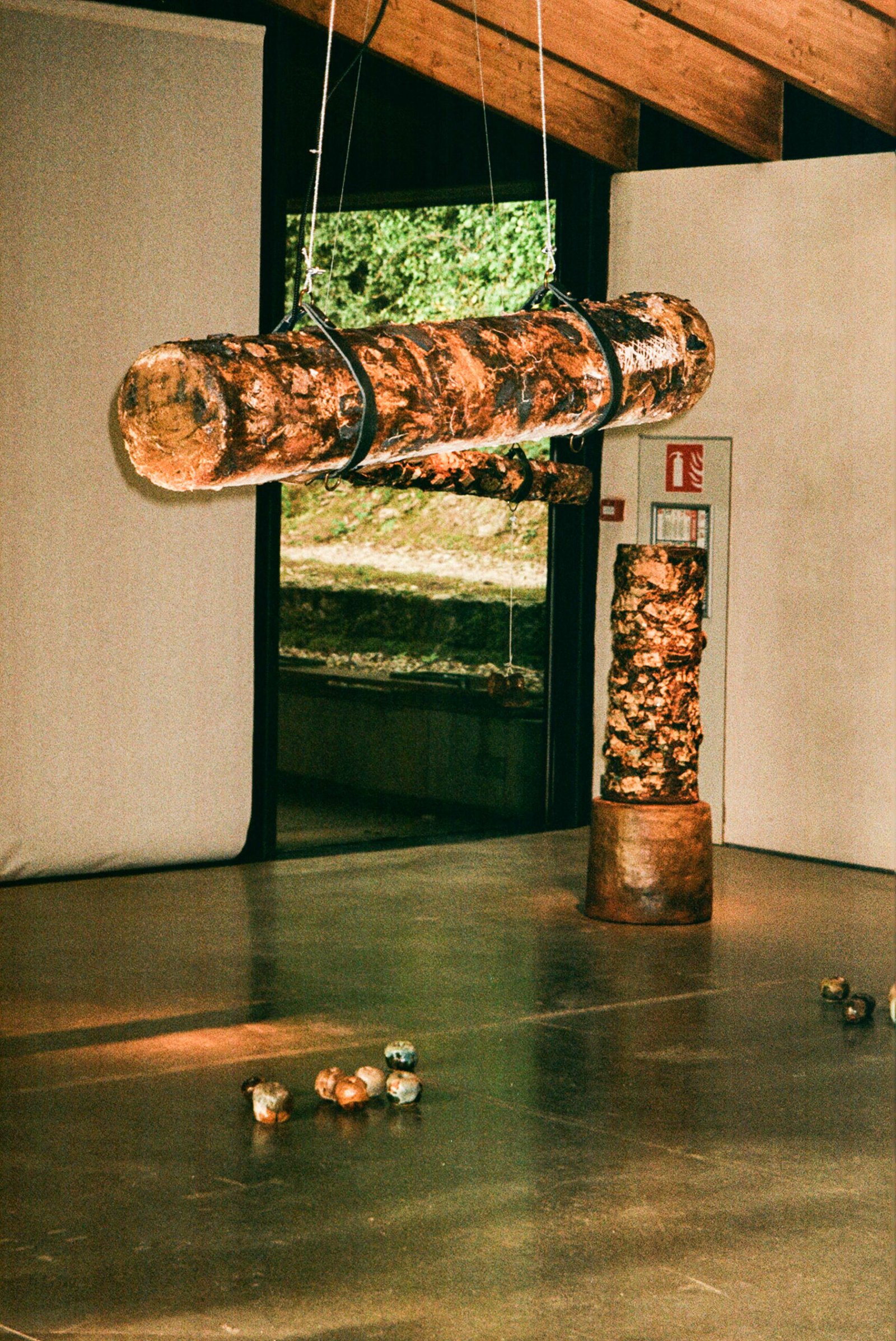
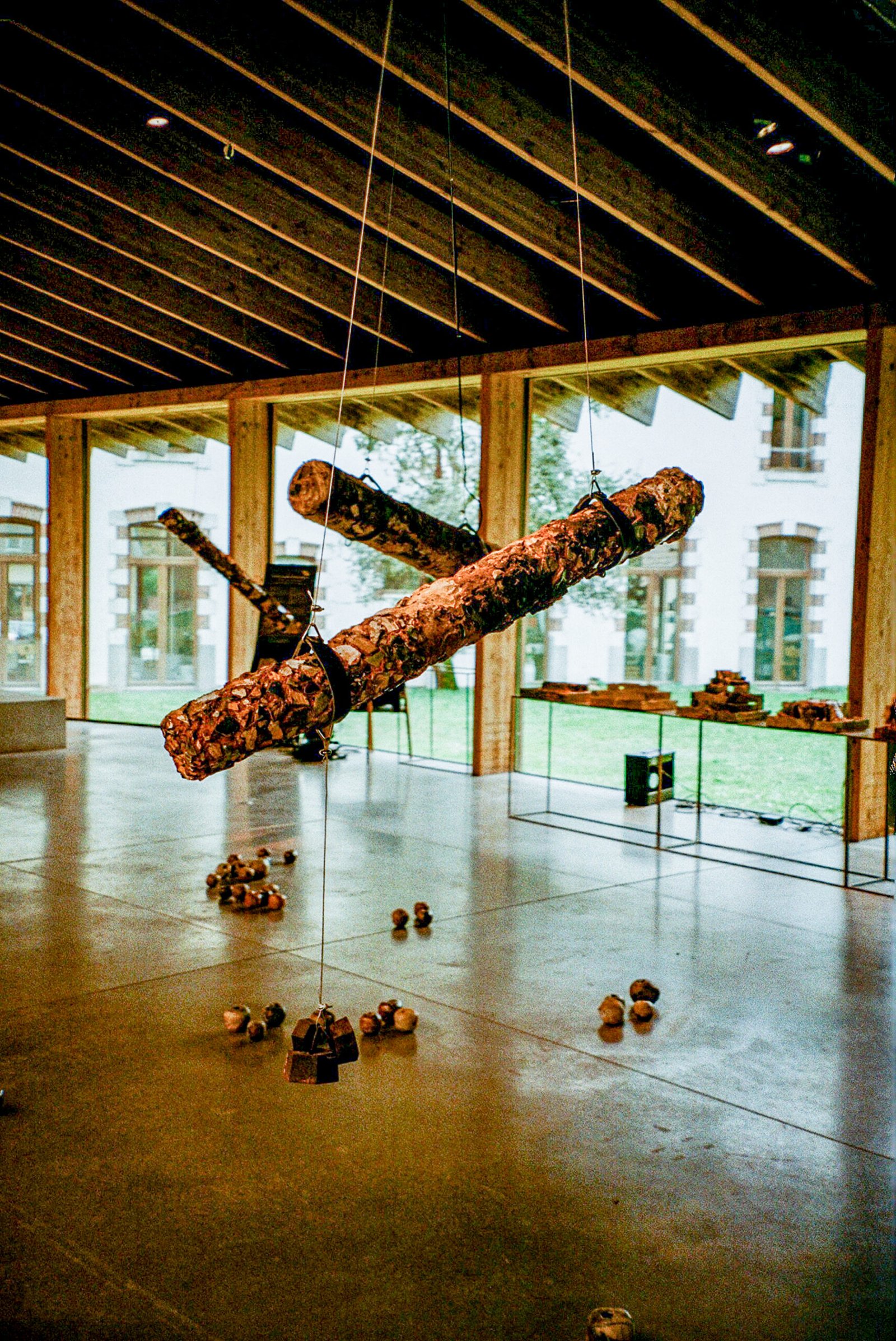
Rainsticks
Wood-fired stoneware, metal wire,
leather belts, microphones and sound
system
2024
Variable dimensions
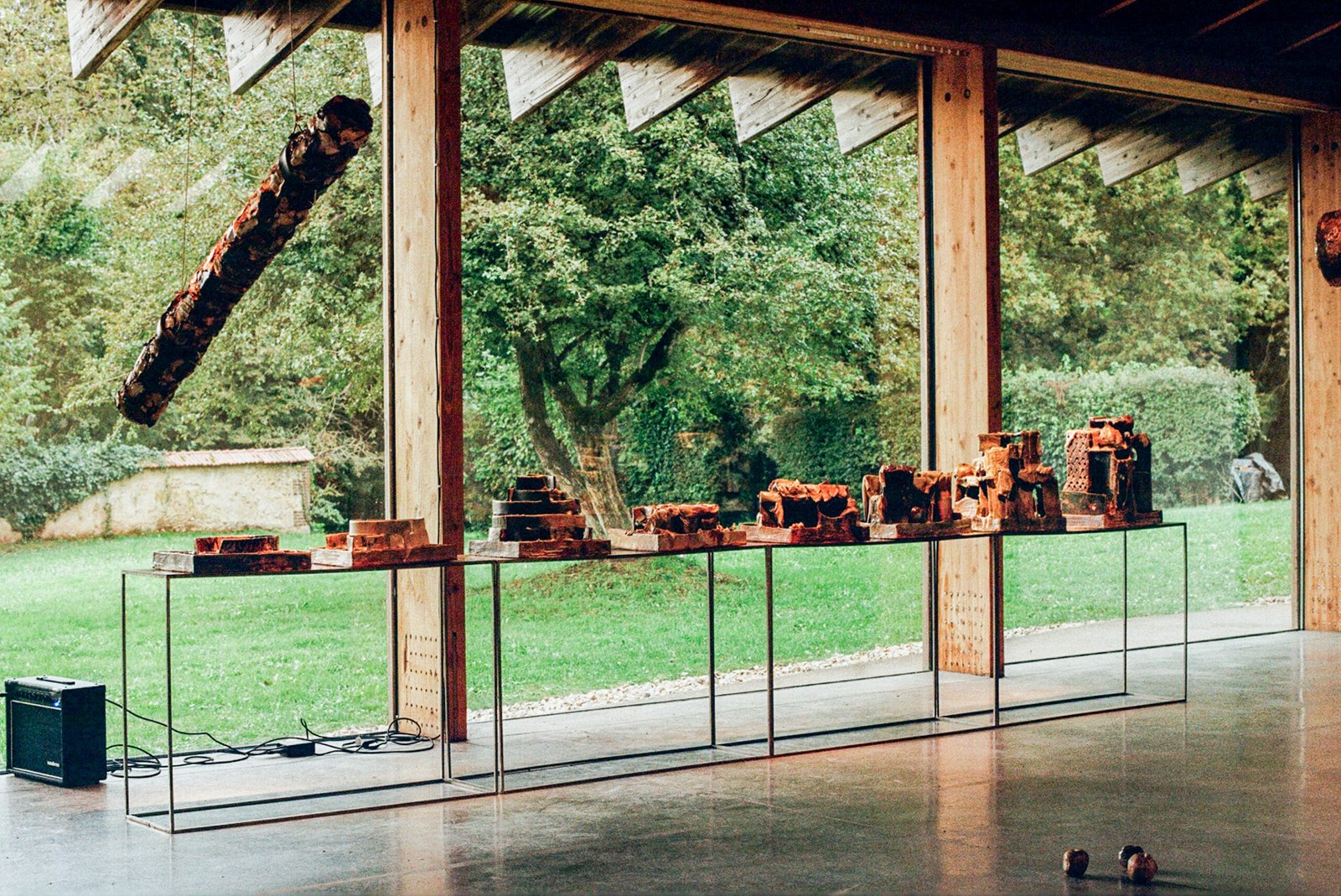
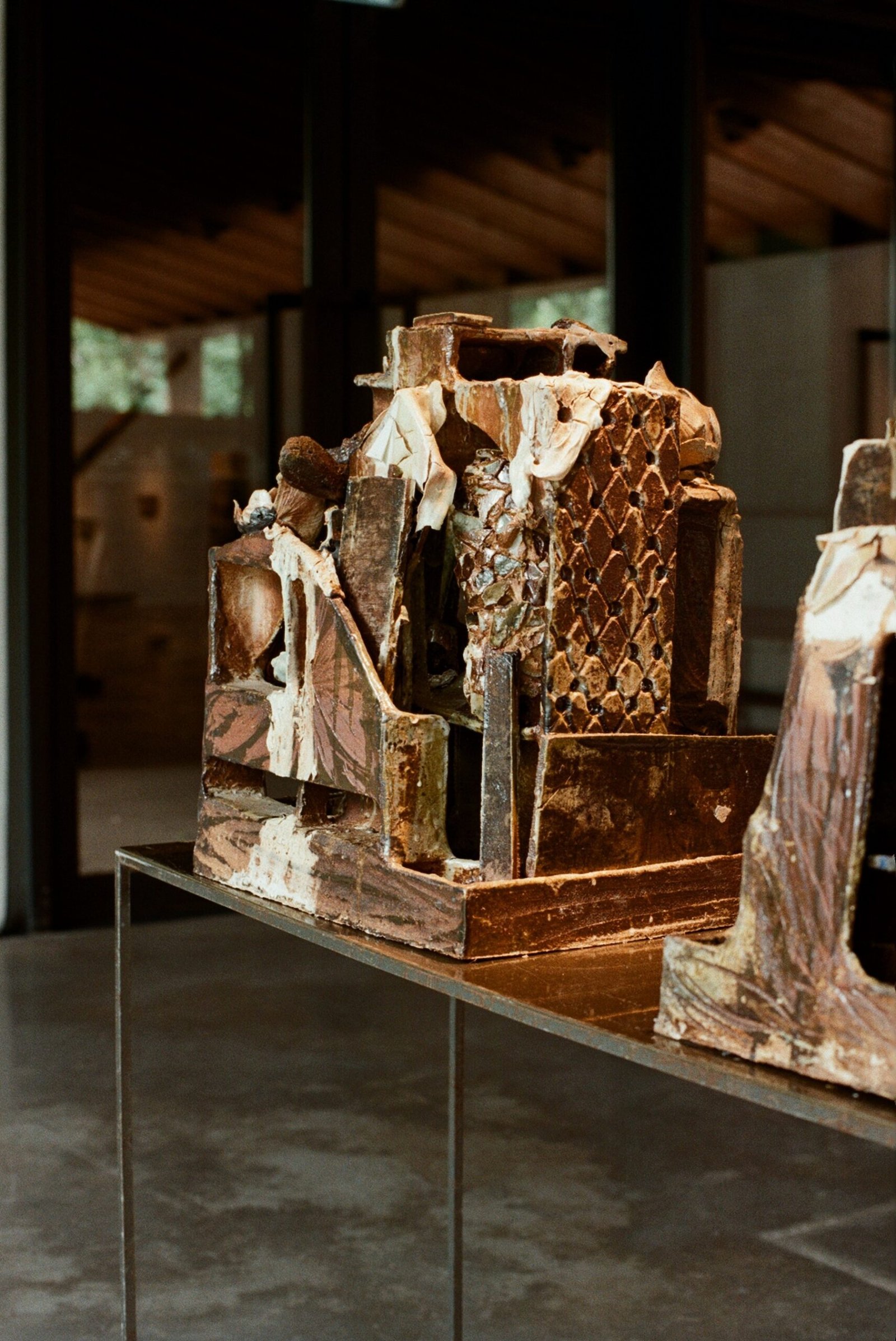
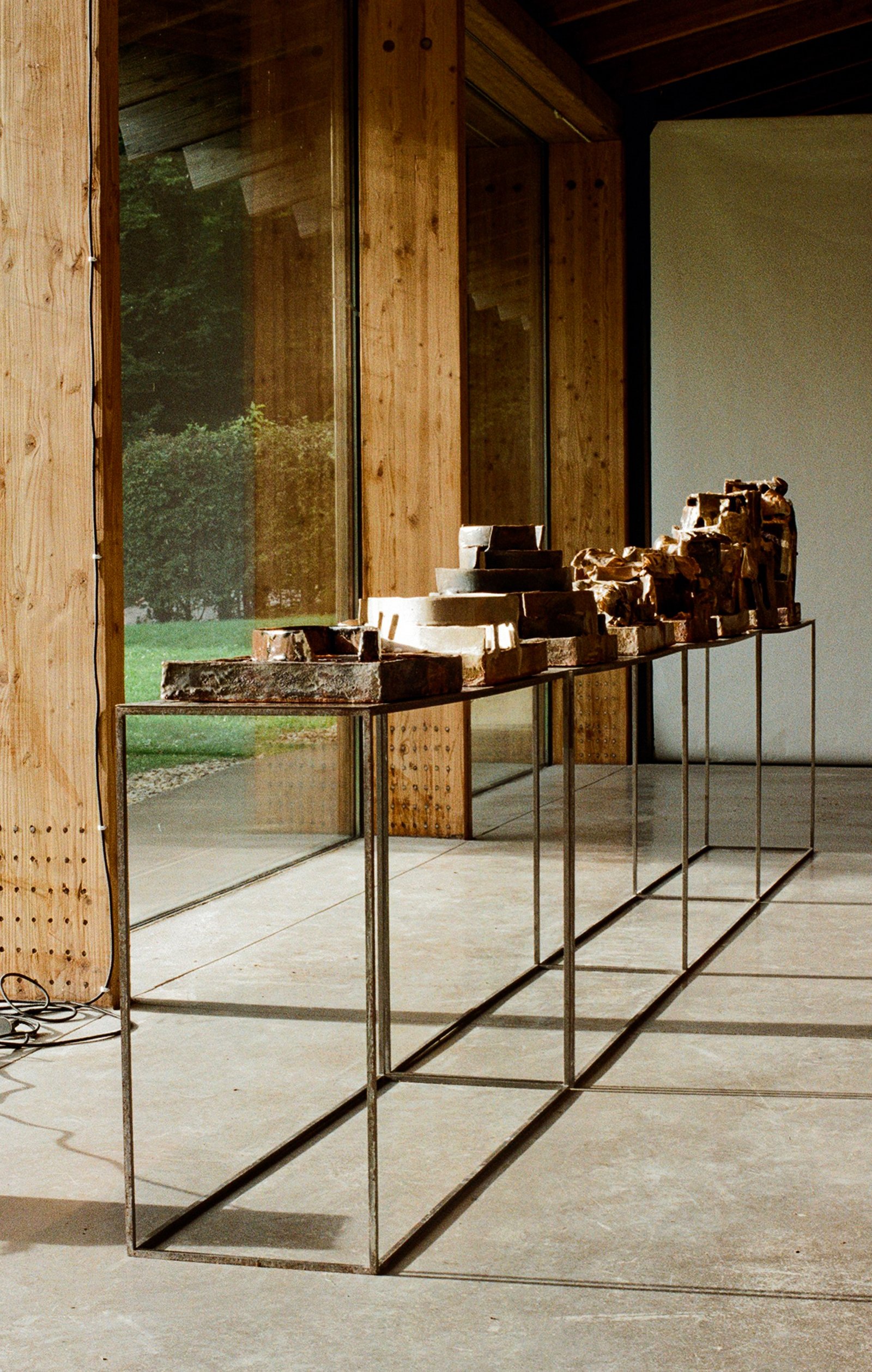
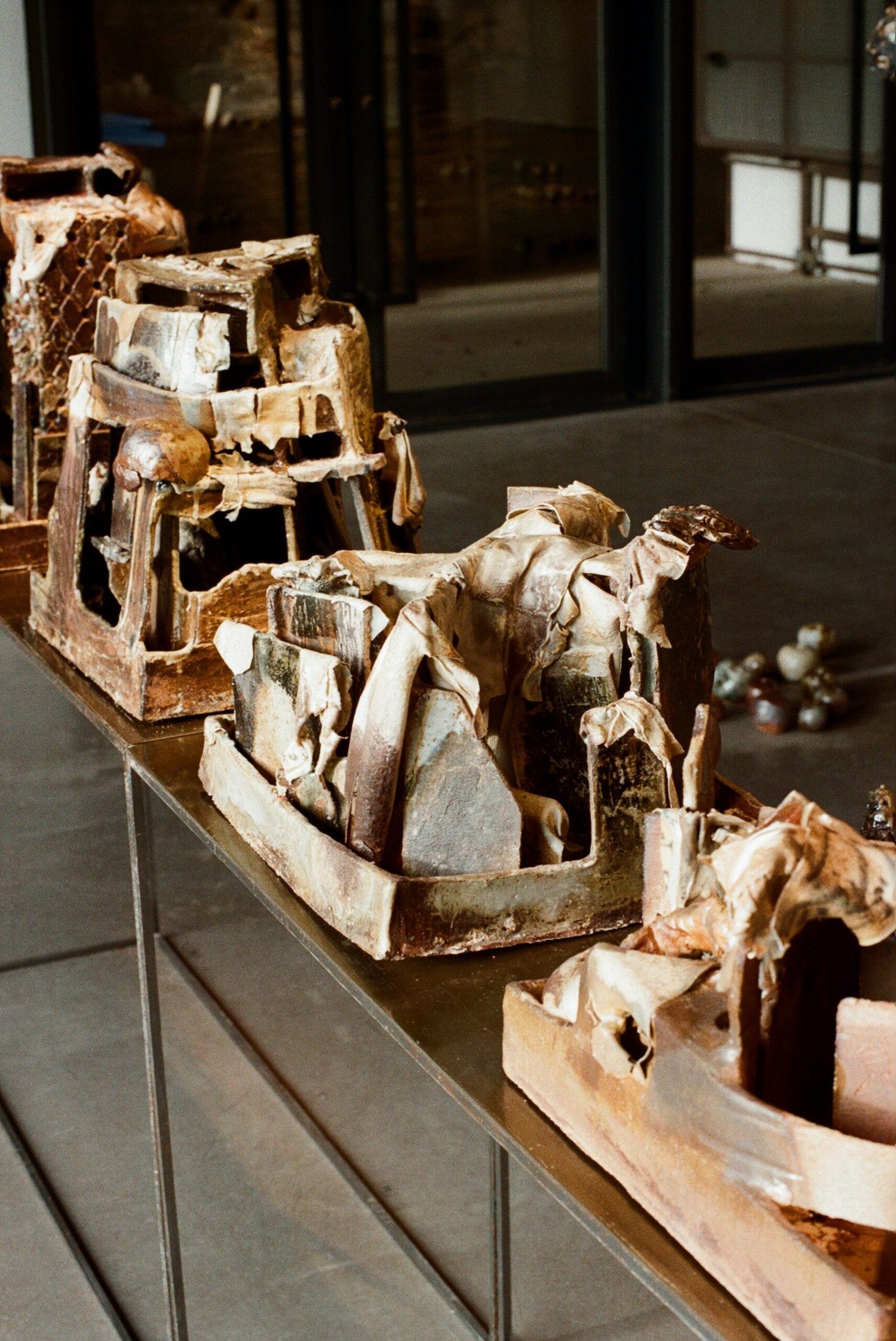
Laberintos progression
Wood-fired stoneware and metal table
8 pieces
2024
500 × 140 × 50 cm
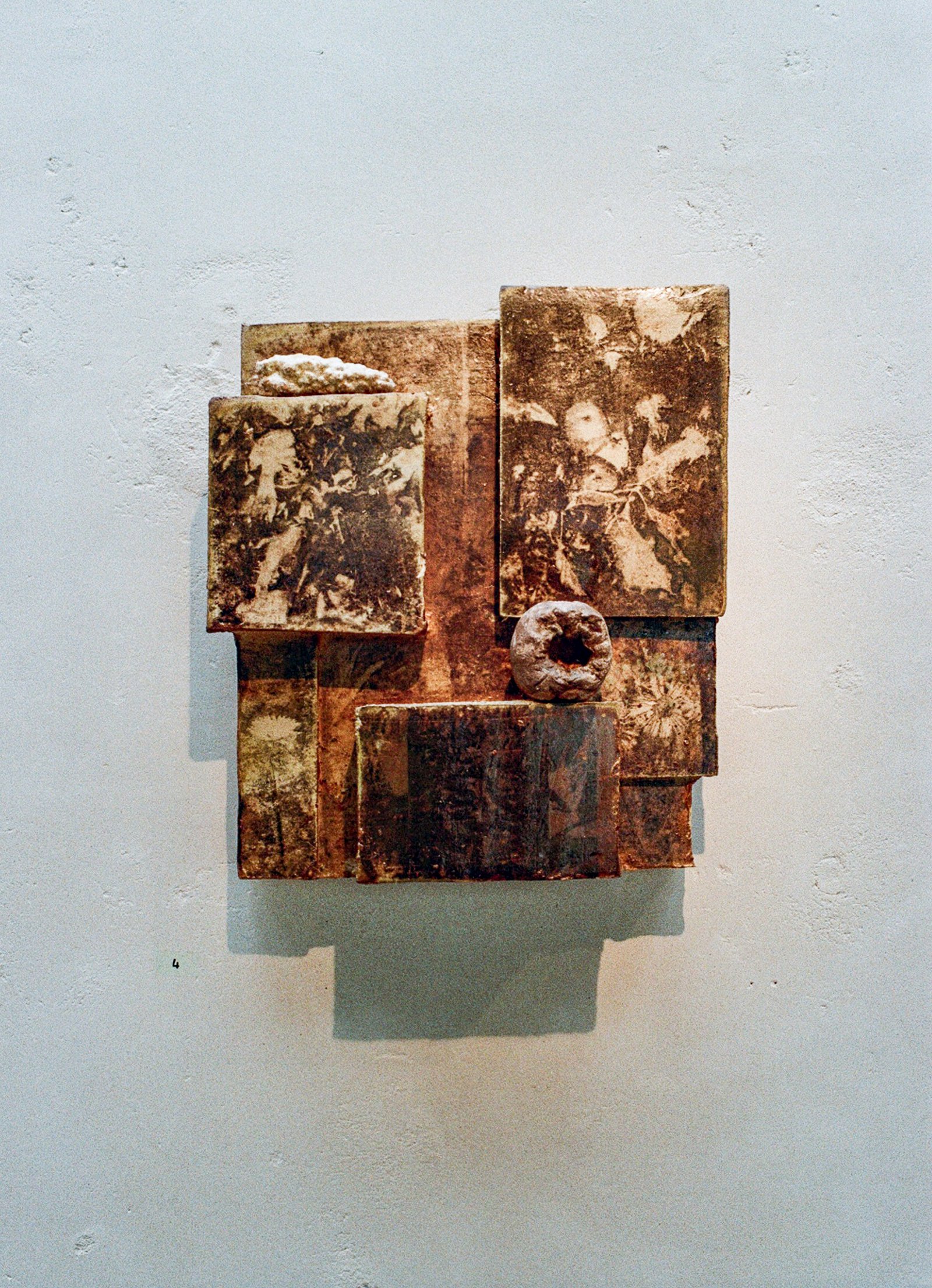
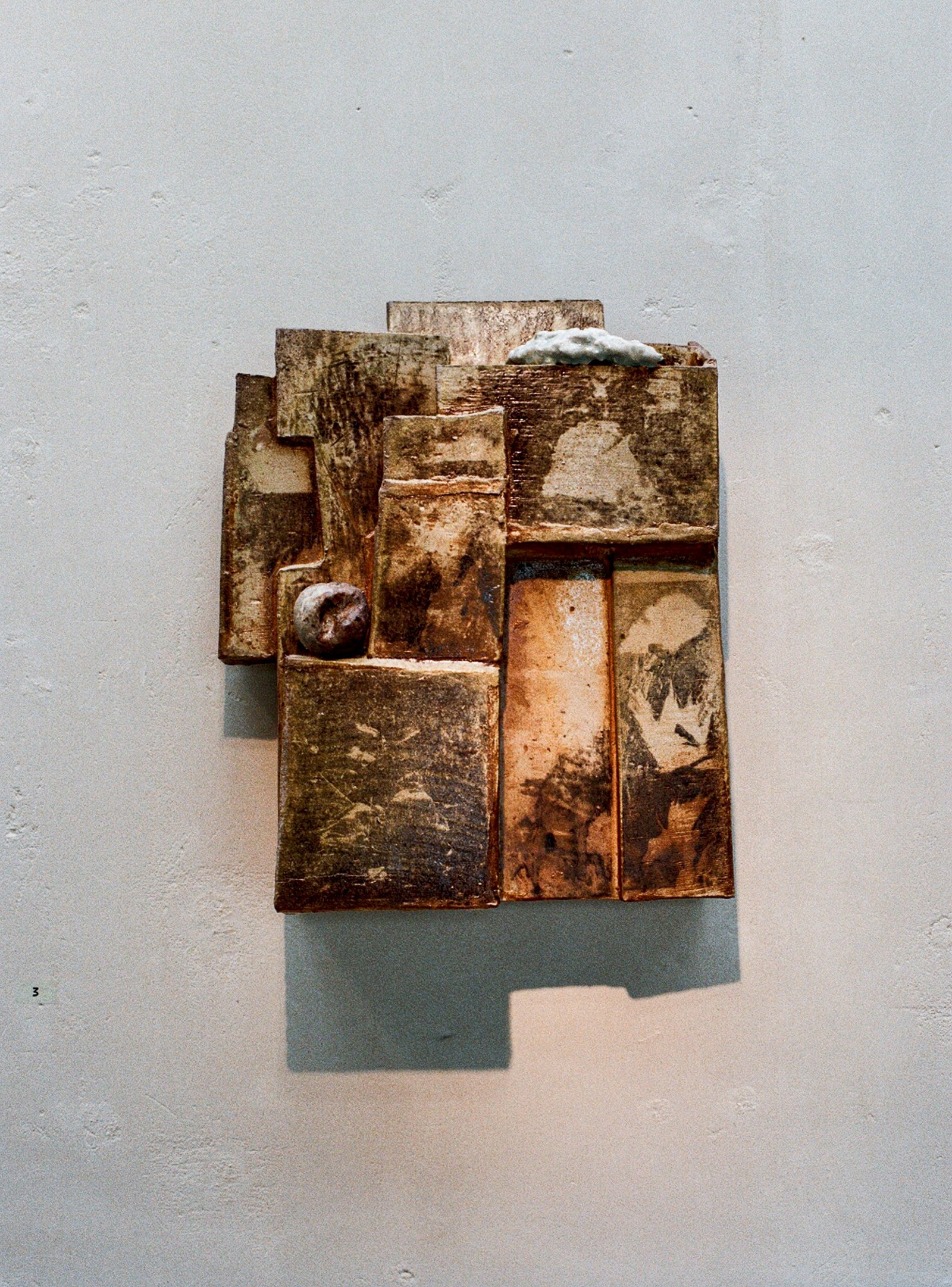
Altar
Wood-fired stoneware
2 pieces
2024
45 × 25 × 40 cm
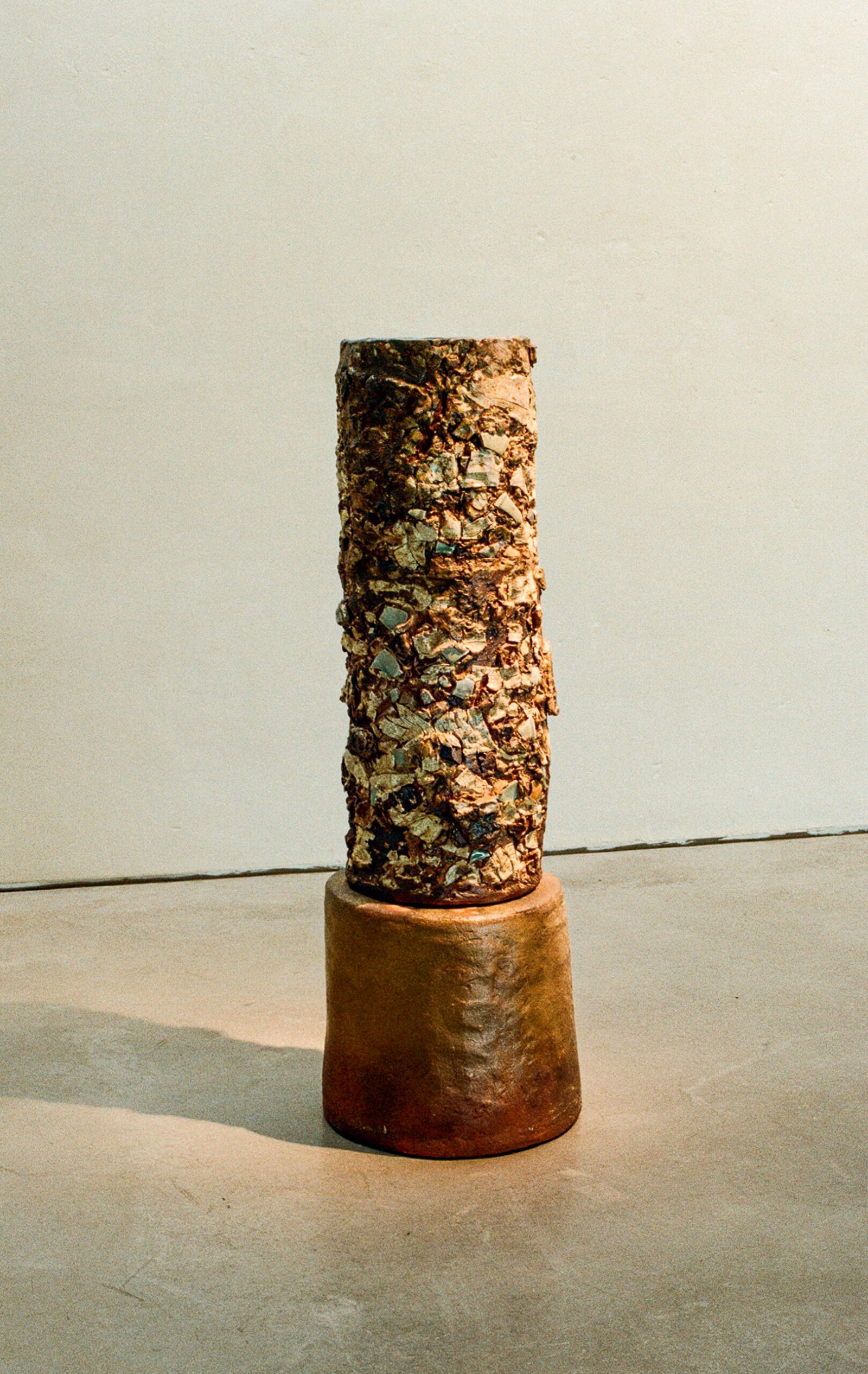
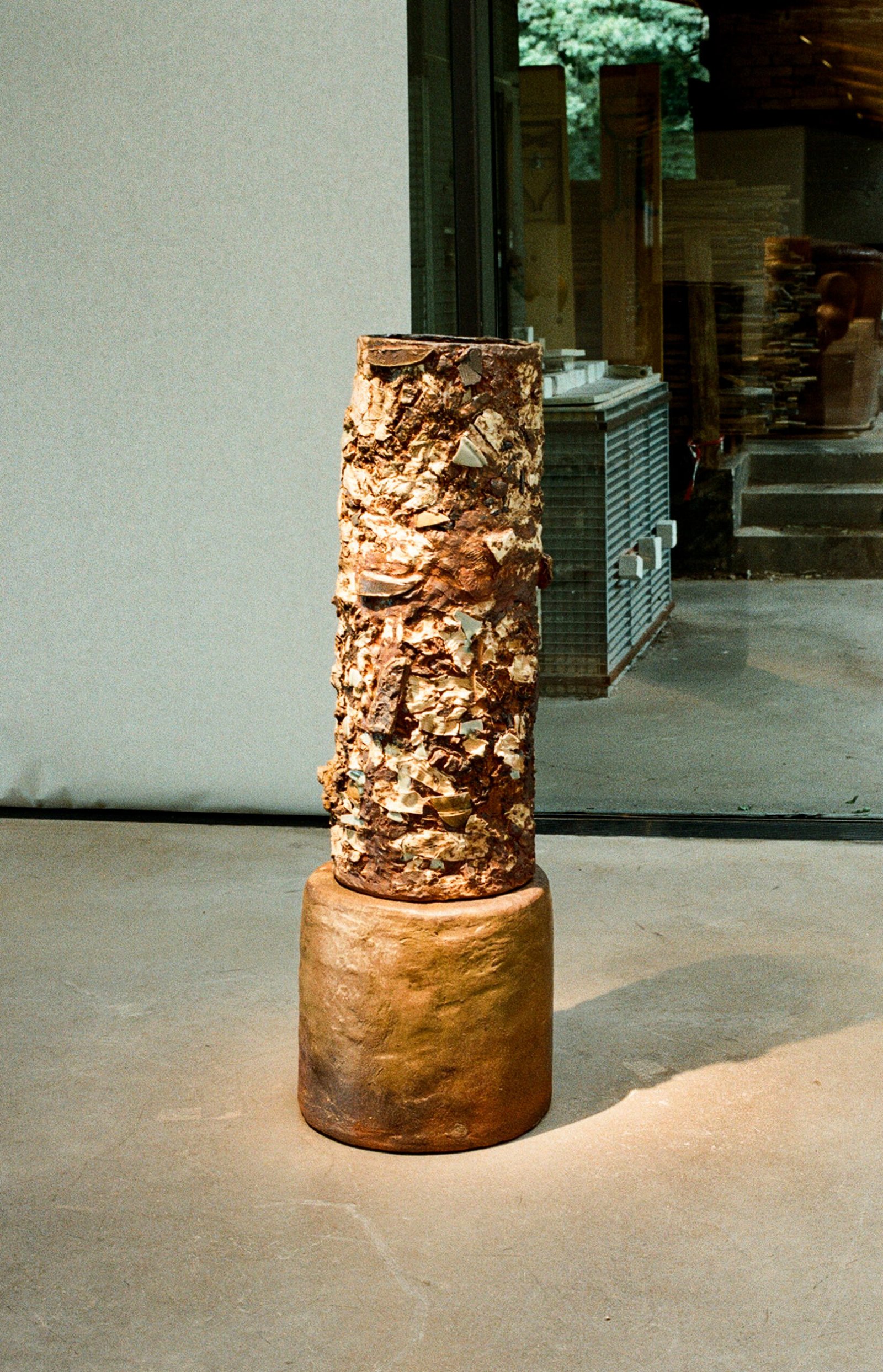
Echo
Wood-fired stoneware
2024
160 × 45 × 45 cm