Rags
Crisis
Lima, Peru
2018
The exhibition that you have put together for Crisis has followed a deep mental process that I find fascinating. I have followed a series of transitions with you and I like it because the very work that you present is also about a transition itself. Let me explain: you started from the idea of collage. I know you’ve had an intense relationship with this technique, ever since college where you were forced to do endless composition exercises with thousands of tiny paper cutouts. On this occasion, you atone for that memory by treating collage as an alternative to the process you follow in other projects of your artistic practice: on the one hand, to the detailed planning that ceramics require, with careful sketches and modeling, and, on the other, your paintings on canvas, where you create an abstraction loaded with symbology.
Thus, from collage with paper, you began to play with scraps of fabric, remains that in other circumstances you might have discarded. The first pieces started from a pictorial logic, then the free process gained prominence. The painting became a tapestry and the space between the pieces and the fall of the cloth became plastic elements. It could be said that the pieces are nailed directly to the wall and are both a conceptual liberation from painting and its formal emancipation: they no longer only exist in two dimensions, but occupy a three-dimensional space, so much so that one can dress them.And those pieces that the visitor can wear are yet another transition. The tapestries are now robes usable by the public. It is undoubtedly a gesture that is taken with humor, but that goes much further by having the complete reading of experimentation. It is a body of works that celebrates syncopated rhythm, is not afraid of improvisation or color and, above all, is aware of what it is even from its title: “Trapos.”
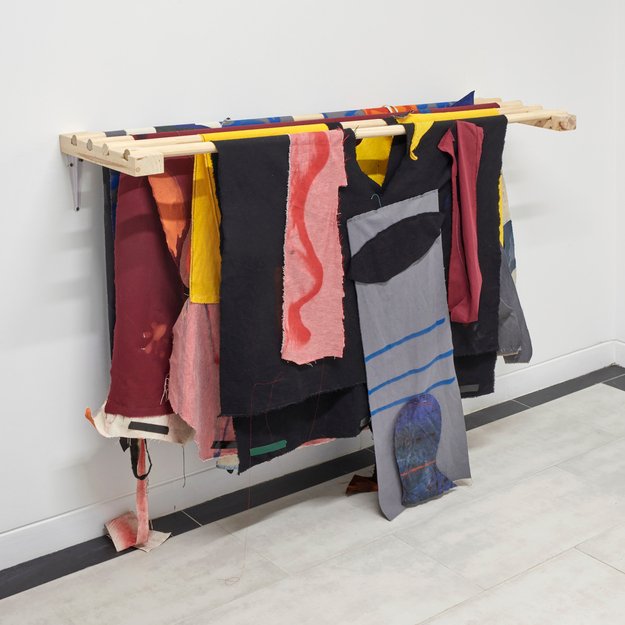
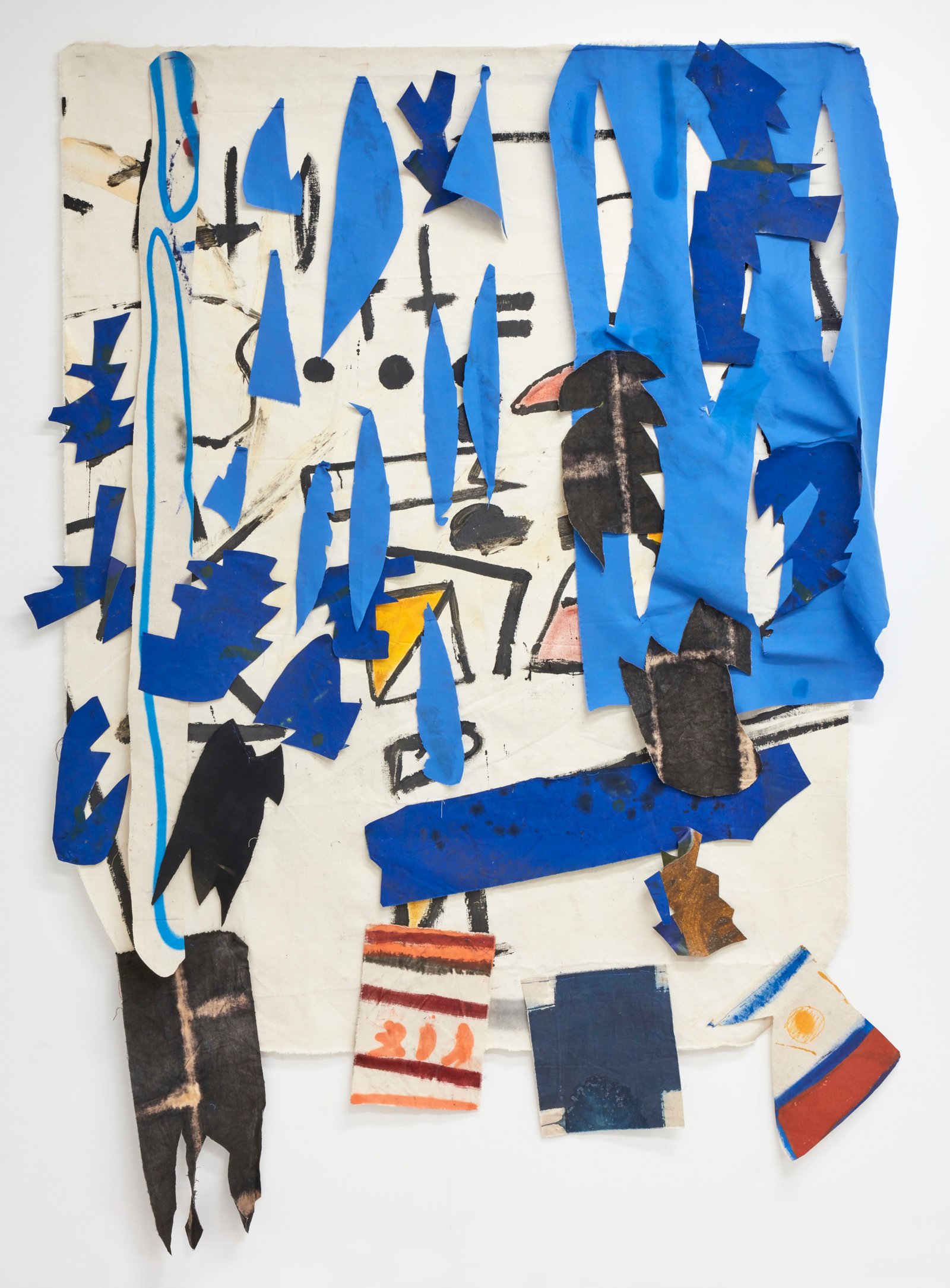
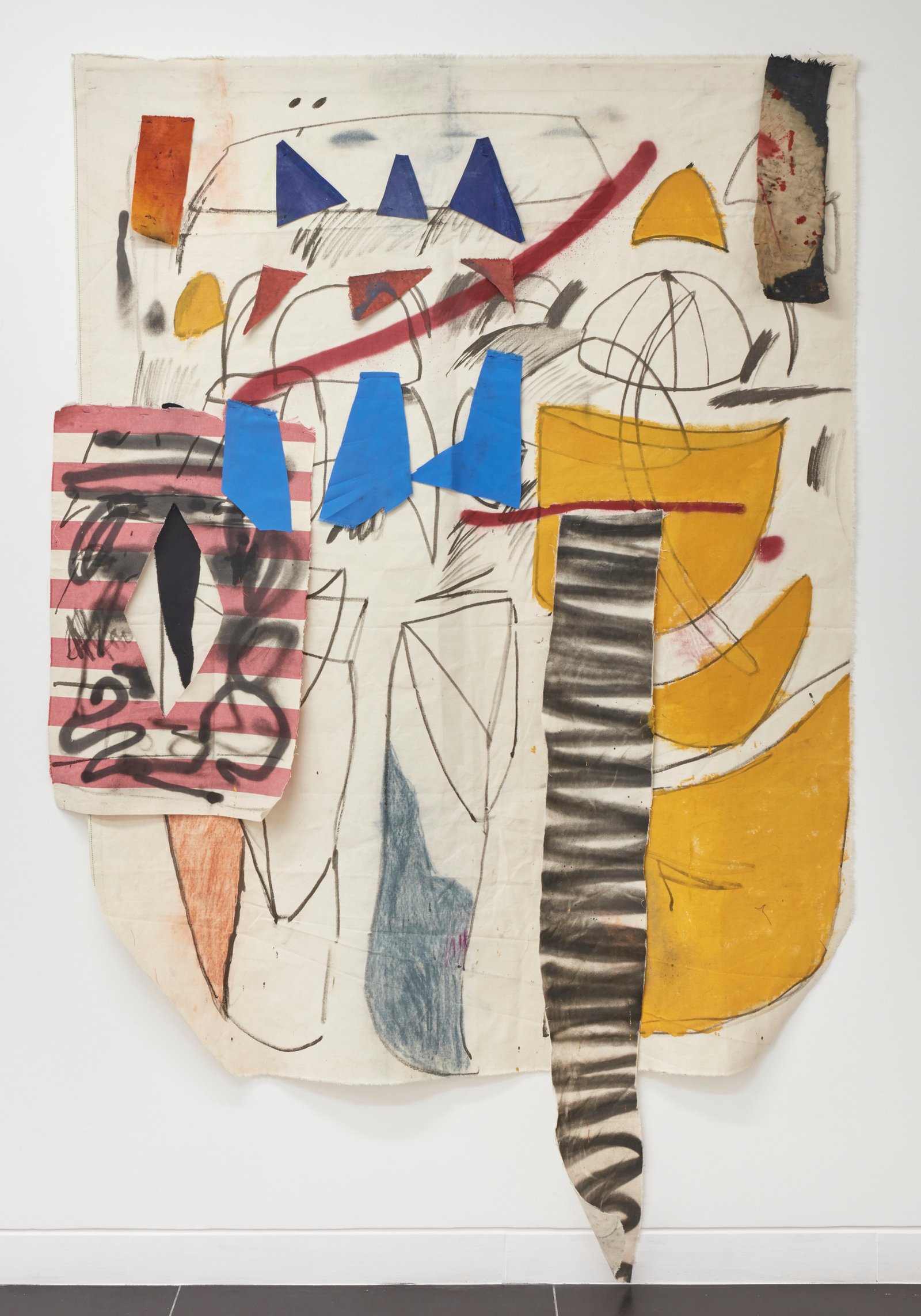
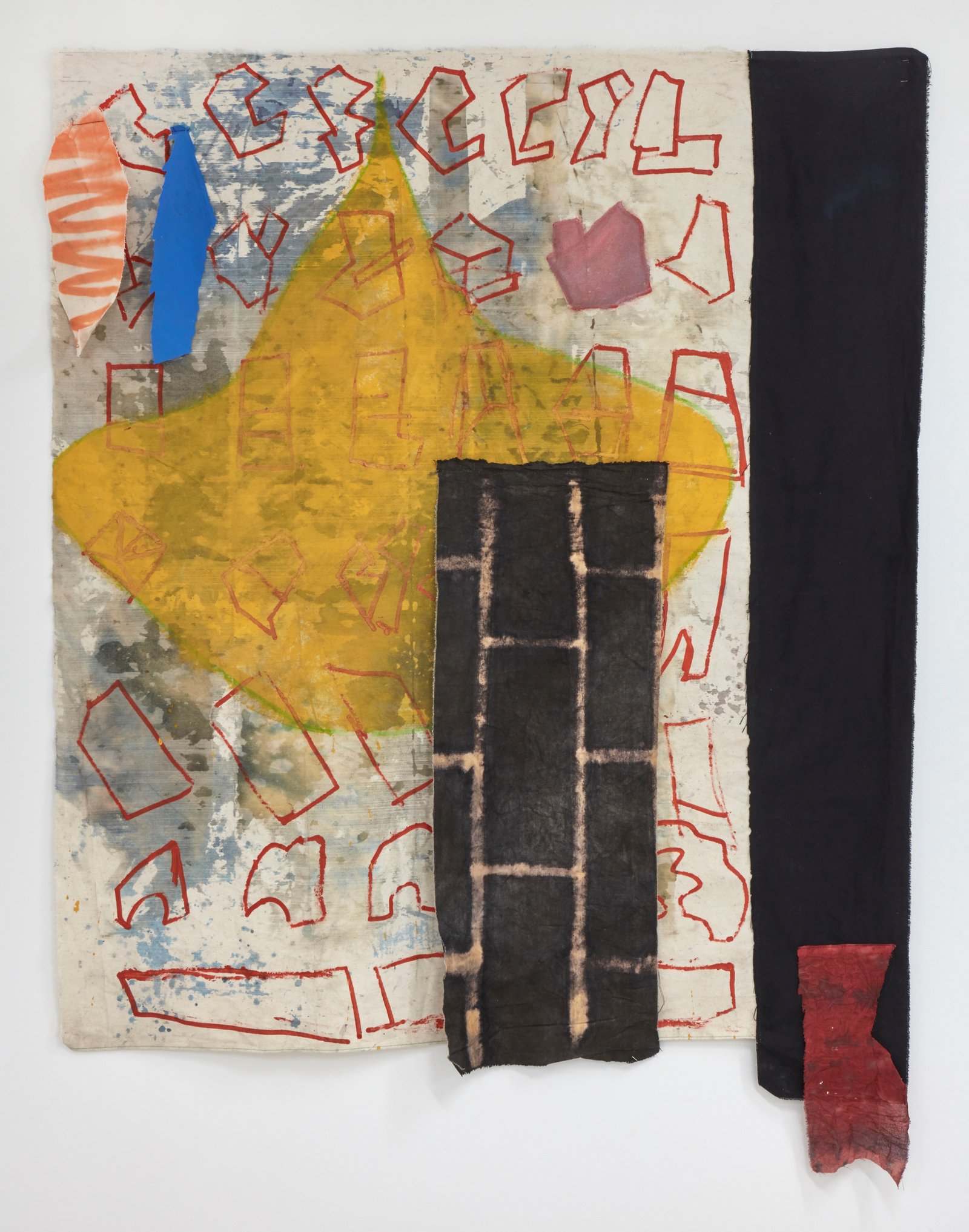
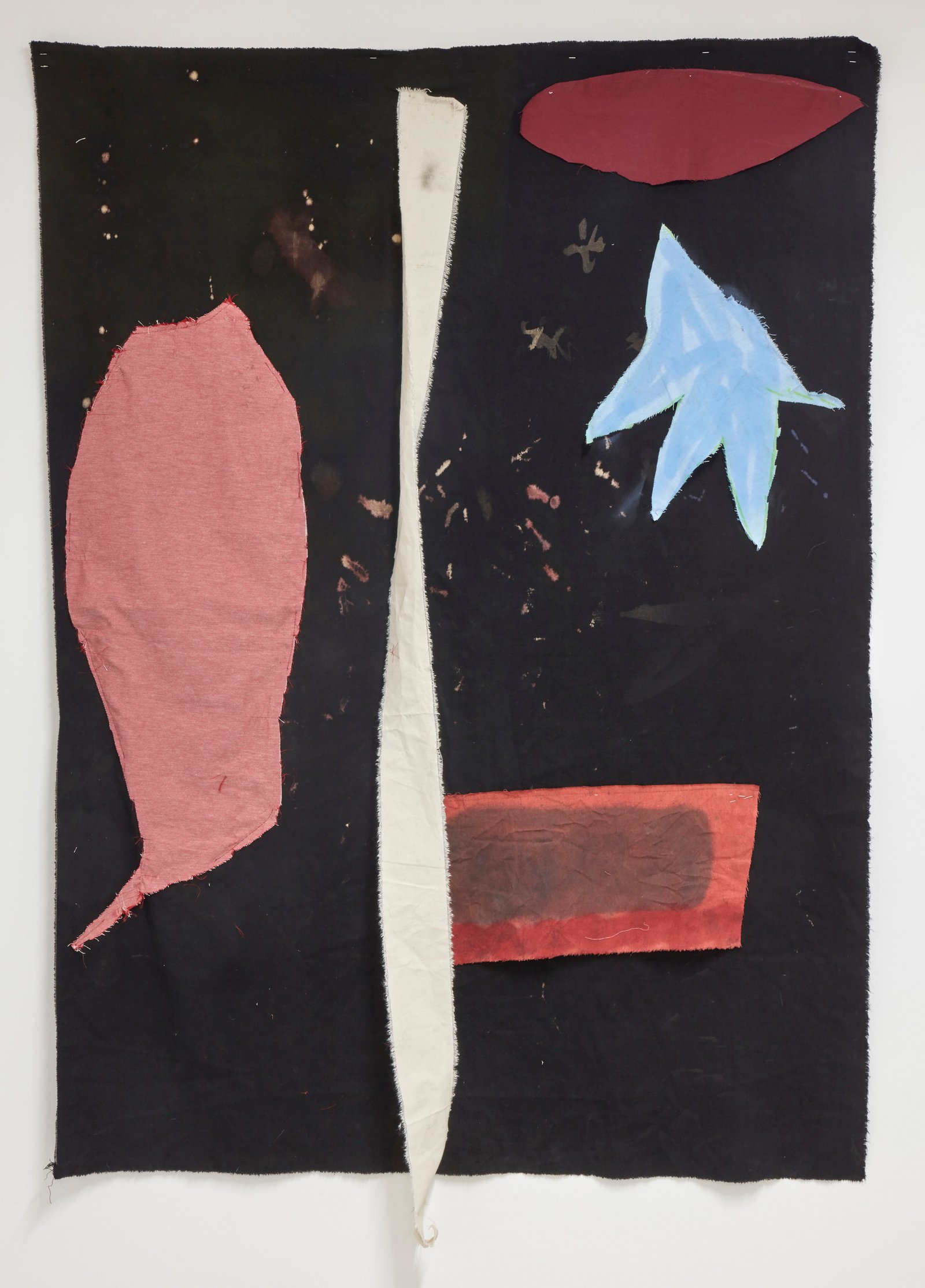
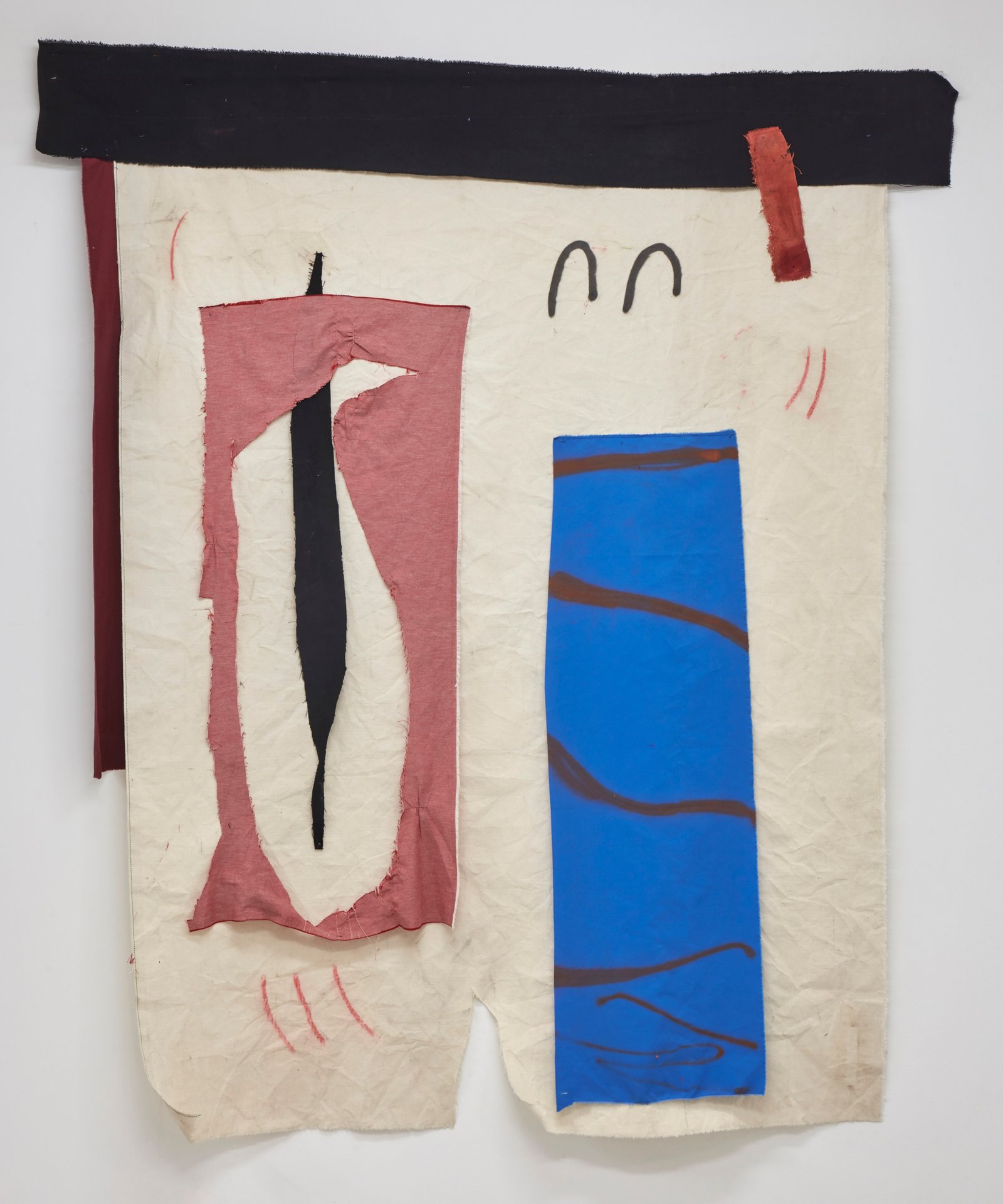

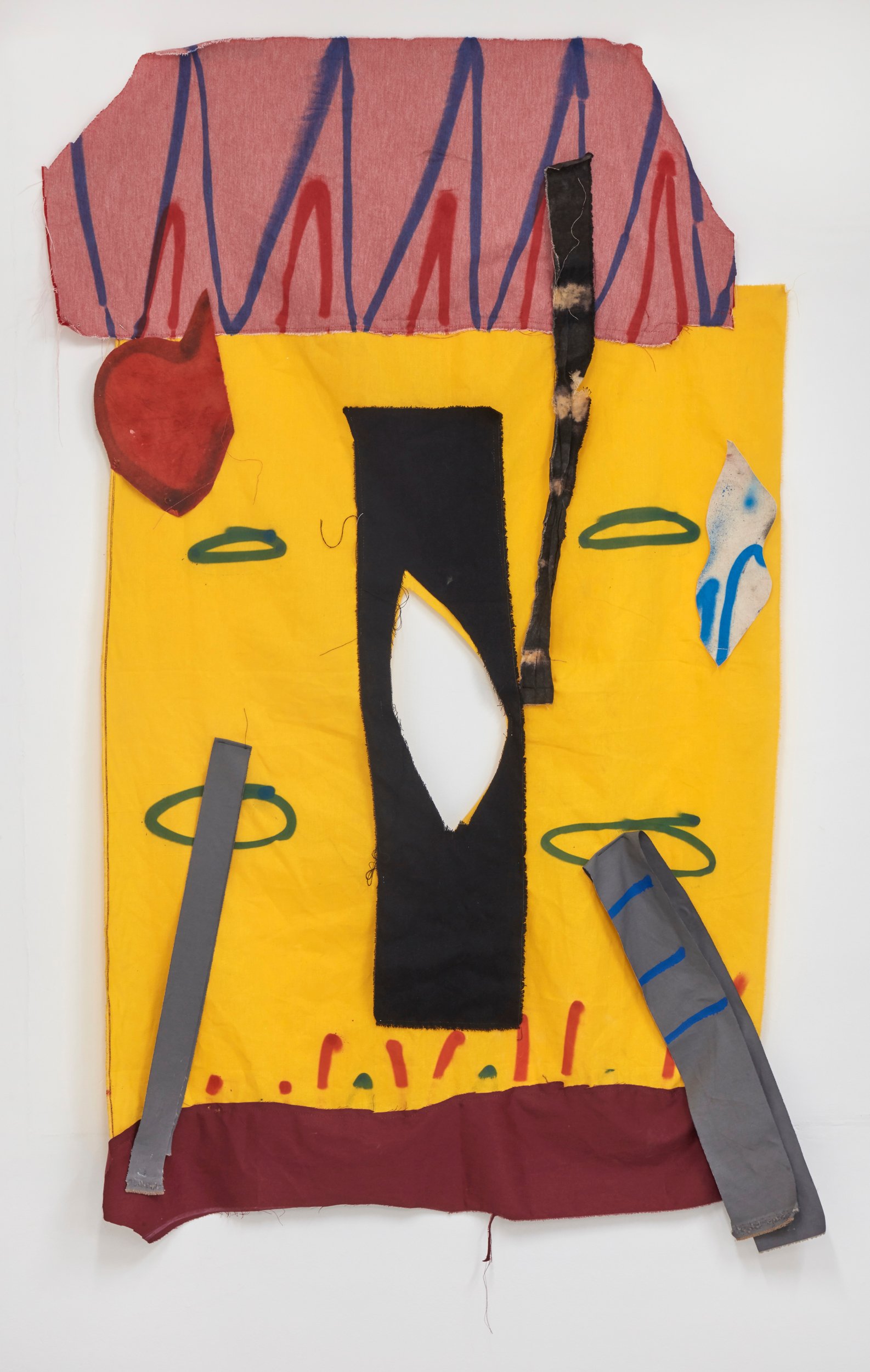
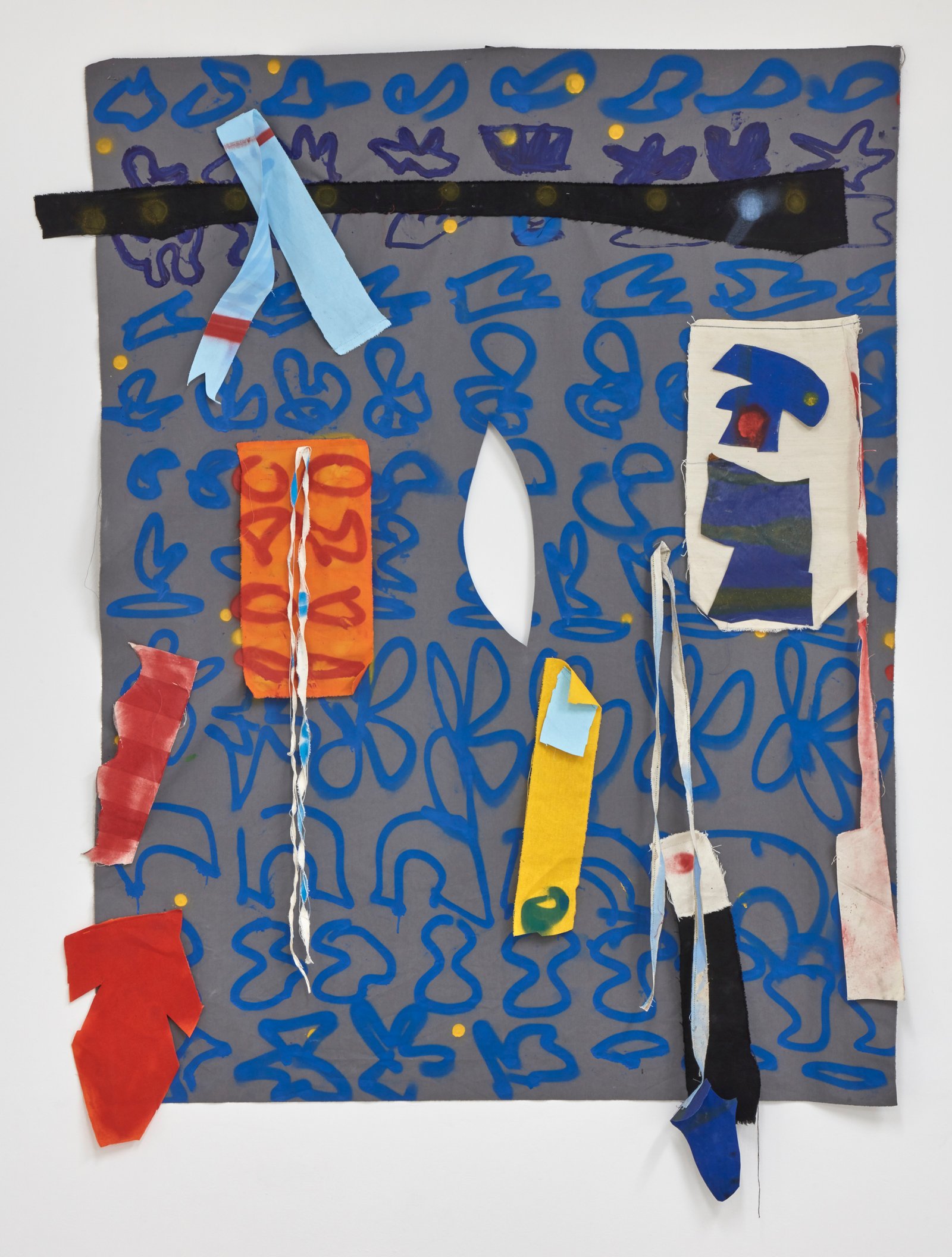
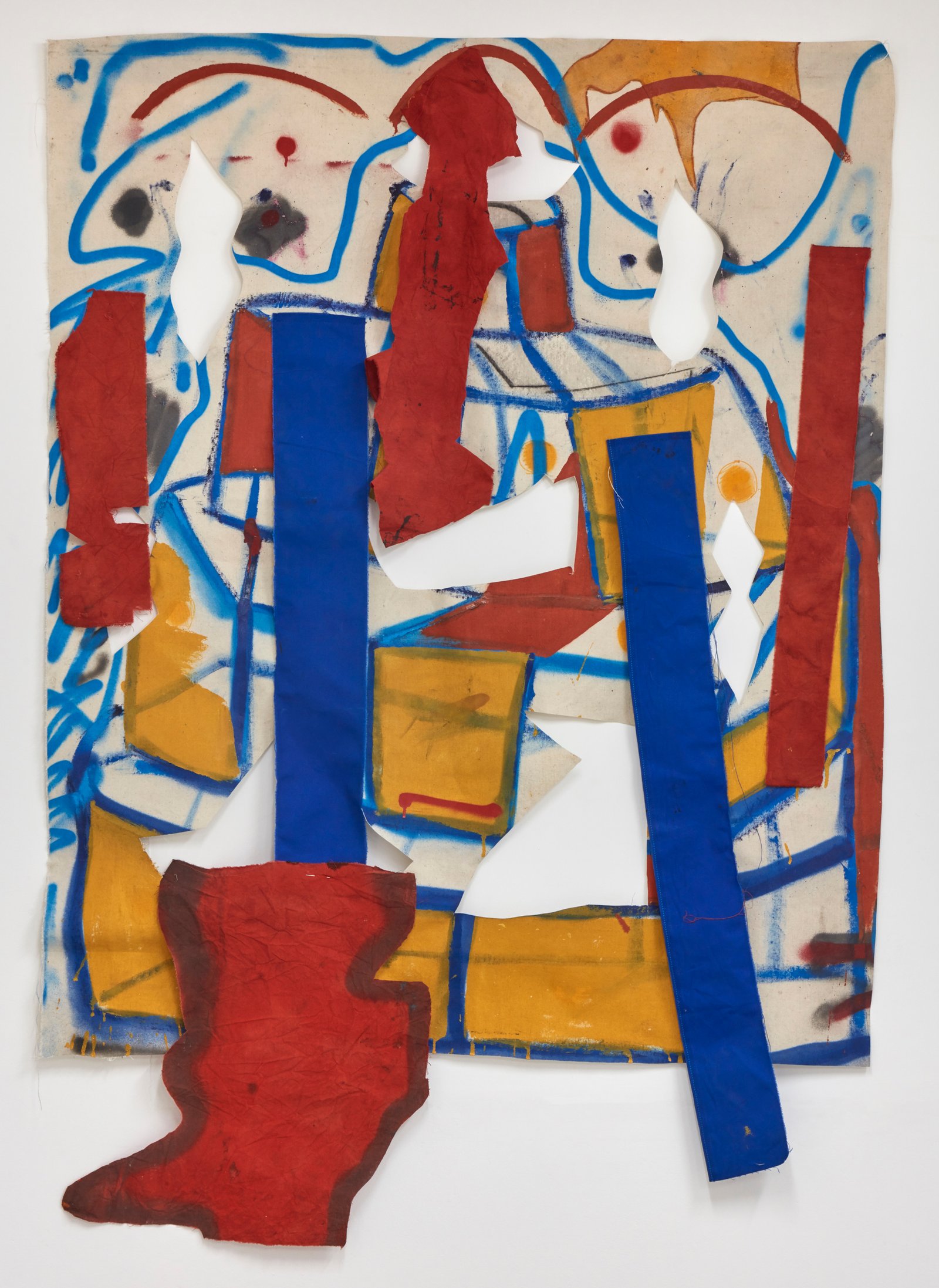
Rags
Mixed media on canvas
2018
Variable dimensions