Multiple Mutant Forms
Jorge Lopez Gallery
Valencia
2024
Royal Factory of Earthenware and Porcelain of the Count of Aranda, L’Alcora, Castellon, Valencia.
I am an intruder in this place. The factory rejected me at first; I fell ill, and it took me a long time to begin exploring. Days later, once I had overcome this physical setback, I thought it had finally left me alone. Yet later it reminded me that, at any moment, something could still fall on my head.
L’Alcora, Nov. 2023
“Materials that have entered the Factory should not be taken out unless they are manufactured. We order that once any material has entered our Factory, it cannot leave unless it is manufactured, for any reason, not even to be ground or fired elsewhere. For this purpose, we want the necessary offices to exist within the doors of our Factory, and in their absence, no recourse shall be made to others.”
(Escriva de Romaní, 1945, pp. 284–285)
Work was carried out only in the Tilesa section. Tilesa comes from “tiles.” It was the last guardian of what remained of the Royal Factory of the Count of Aranda. Little by little, it has accepted my presence in the place, and I am beginning to hear what it is trying to communicate. There are many things in the factory: broken tiles, painted and unpainted, blue, red, yellow, green; stamped pieces, raw clay, glazes and slips everywhere, broken kilns, and collapsed ceilings. Sunlight enters through holes, and the enamel pools bear names like “avocado green” and “Texas black.”
Tilesa left everything behind. History stopped there, but now it begins to mutate. Sometimes ceramics are a game with time. In them, geological processes that take millions of years are condensed into just a few hours, and moments and stories are frozen as well. Time becomes solid, and everything eventually becomes part of the landscape, like stones in a pocket. L’Alcora is built on top of L’Alcora, and Tilesa on top of the Royal Factory. The past accumulates on terraces and beneath the ground. Something made everyone leave, abandoning remnants that are not trash but gold instead. Colors and more colors in the gloom of a place that wants to speak, dissolving its history so that it may be read.
“Punishment for those who adulterate the Factory. We command that if any person, whether from within or outside the Factory, with little fear of God, conspires to adulterate it—”
whether by causing the earthenware or faience to leave without such finesse, or by spoiling the finished varnishes, or a batch, or by any other malicious act—once proven guilty, he shall be punished with 200 lashes without remission; and if damage has occurred, he must pay for all the damage caused.”
(Escriva de Romaní, 1945, p. 271)
I apologize for breaking the ancient ordinances of the Royal Factory, and I hope that no curse will fall upon me or the works.
Here everything has been produced, melted, altered, and corrupted with whatever could be found among the remnants of a place that is in the process of becoming once again, at least in appearance.
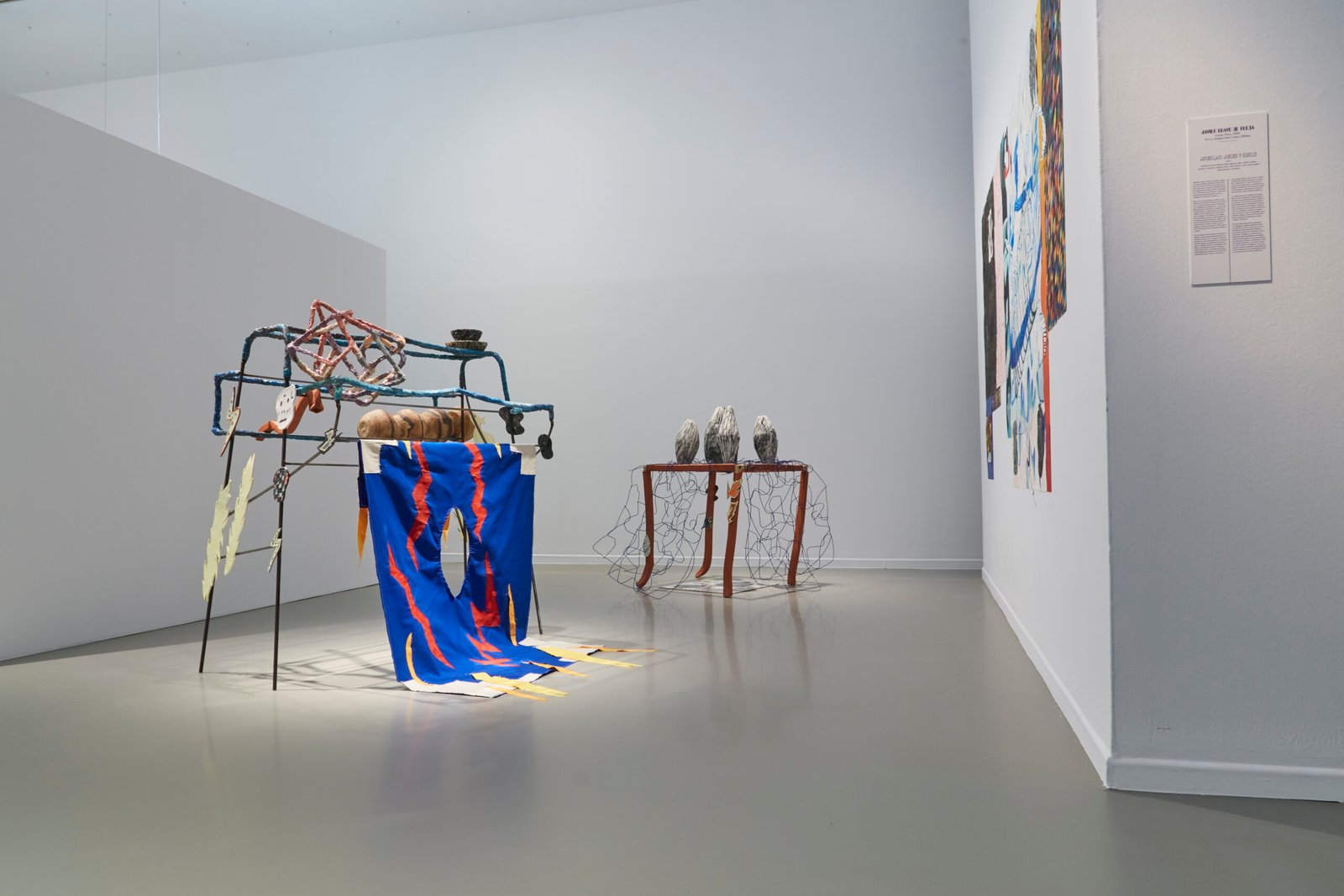
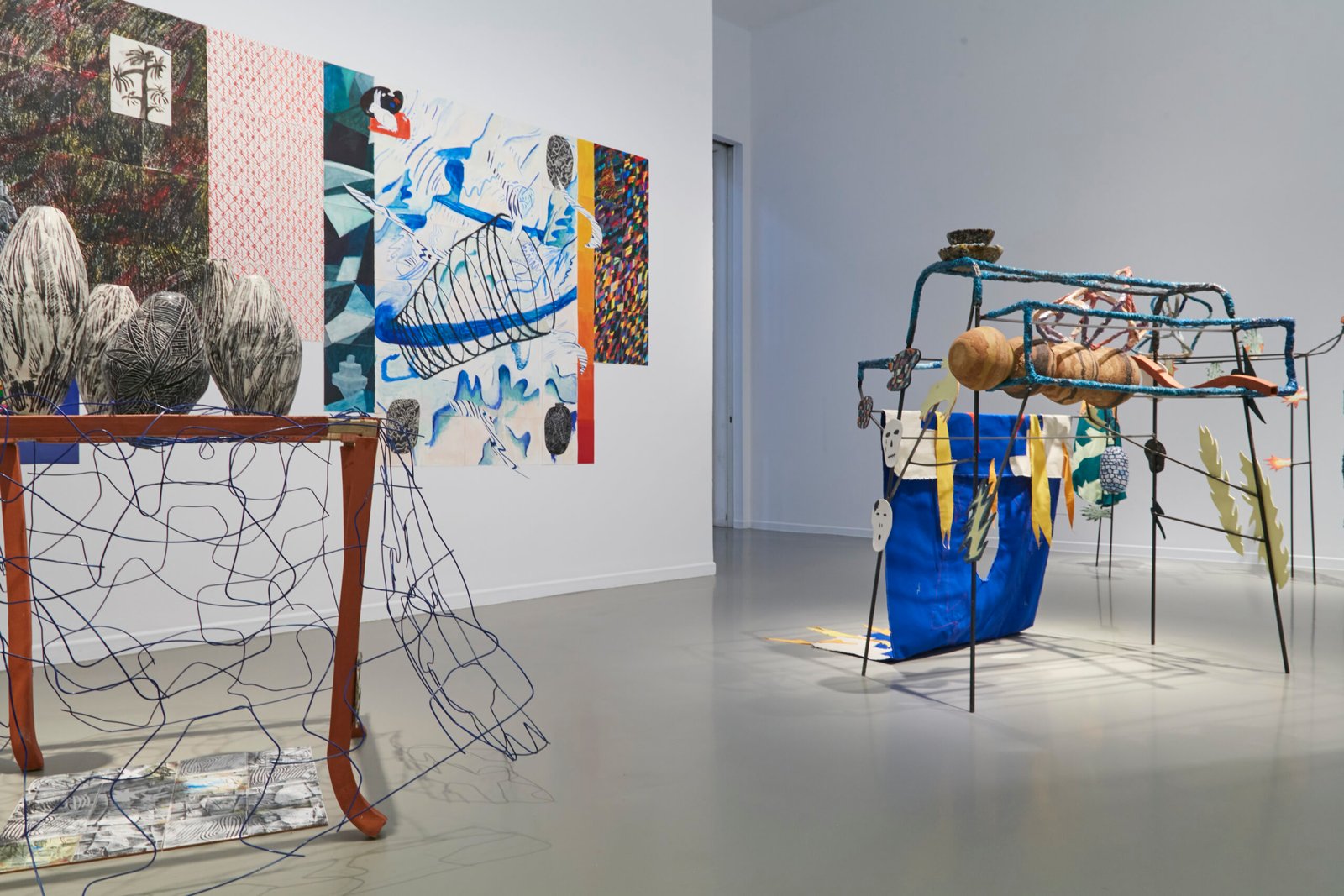
Exhibition Views
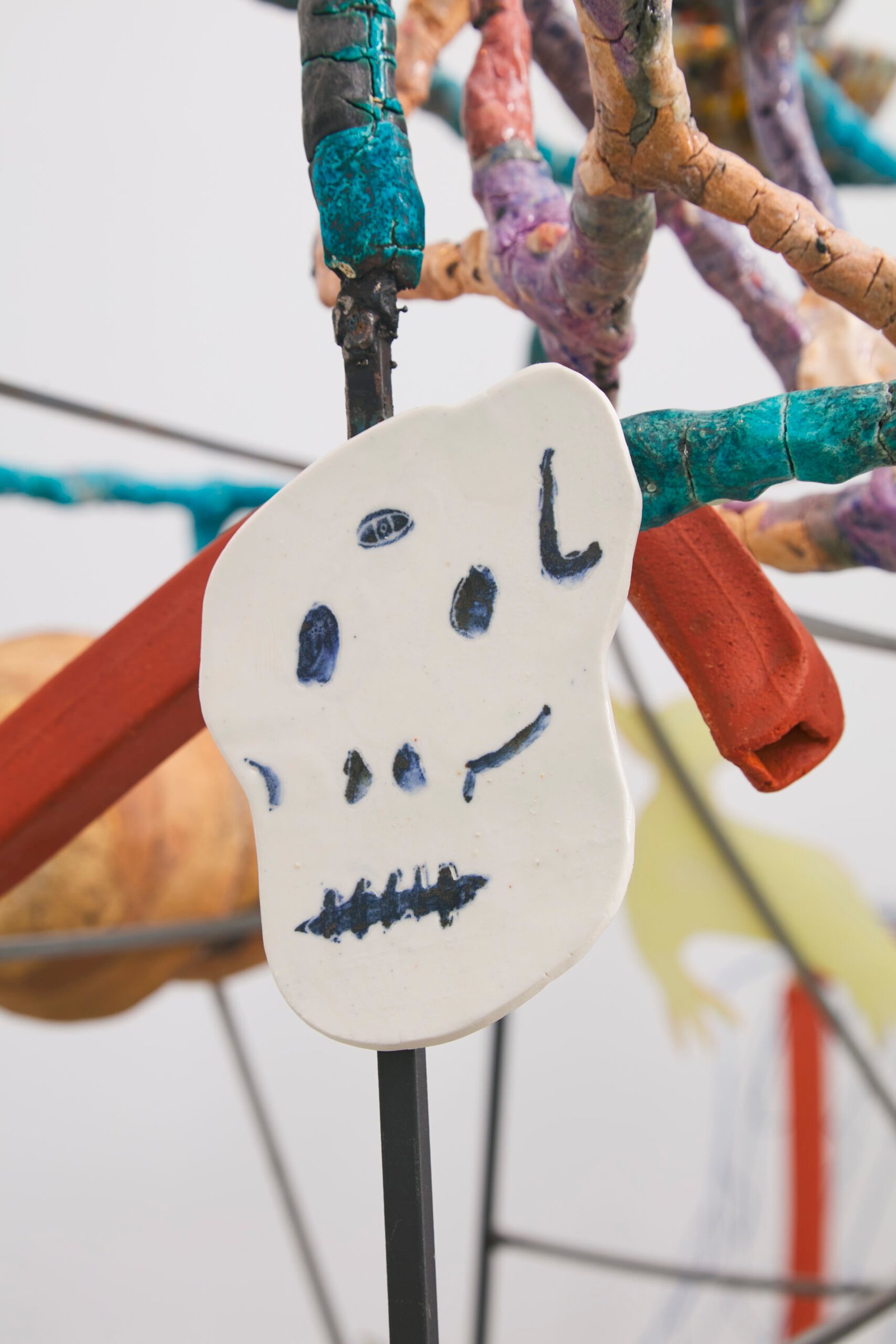
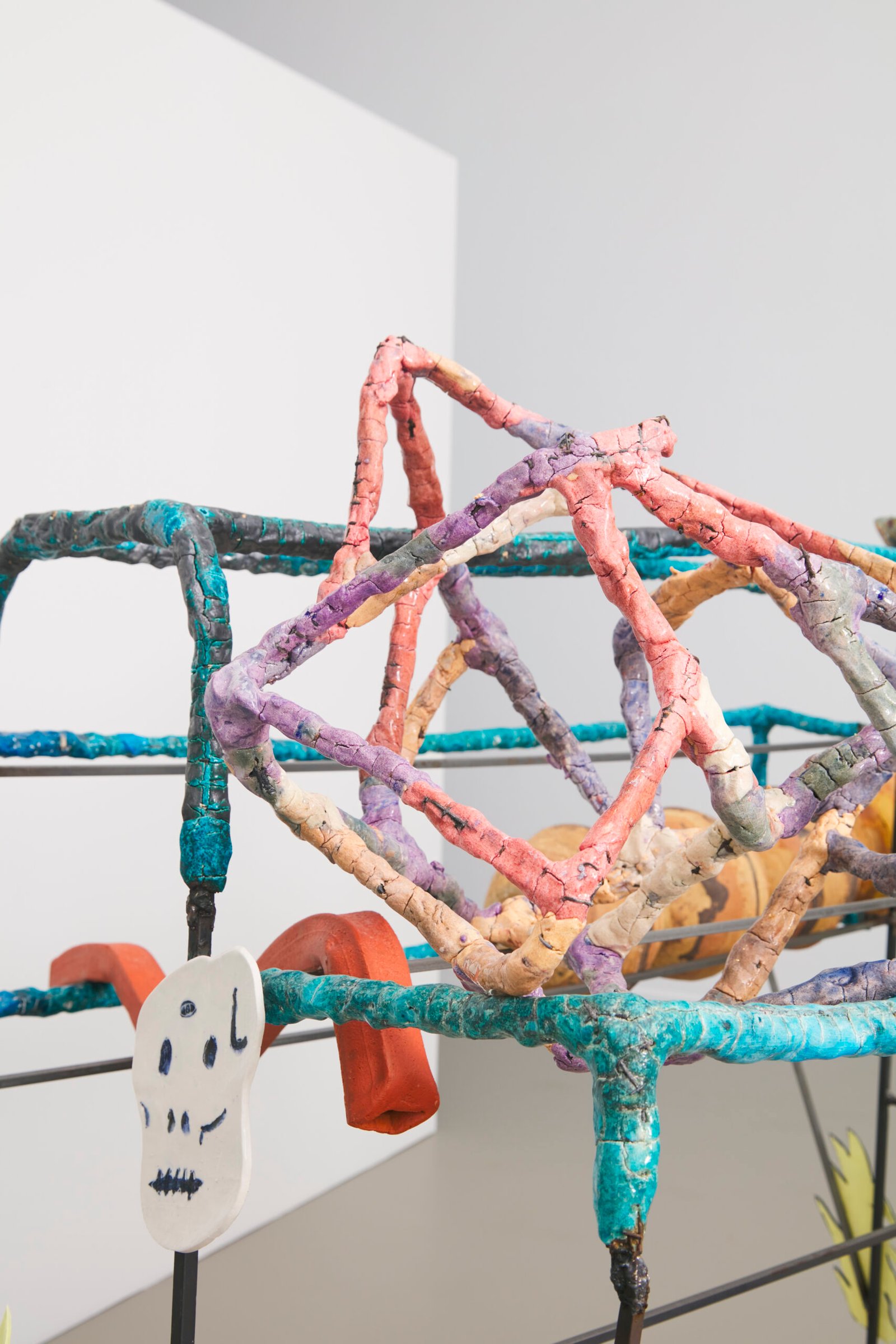
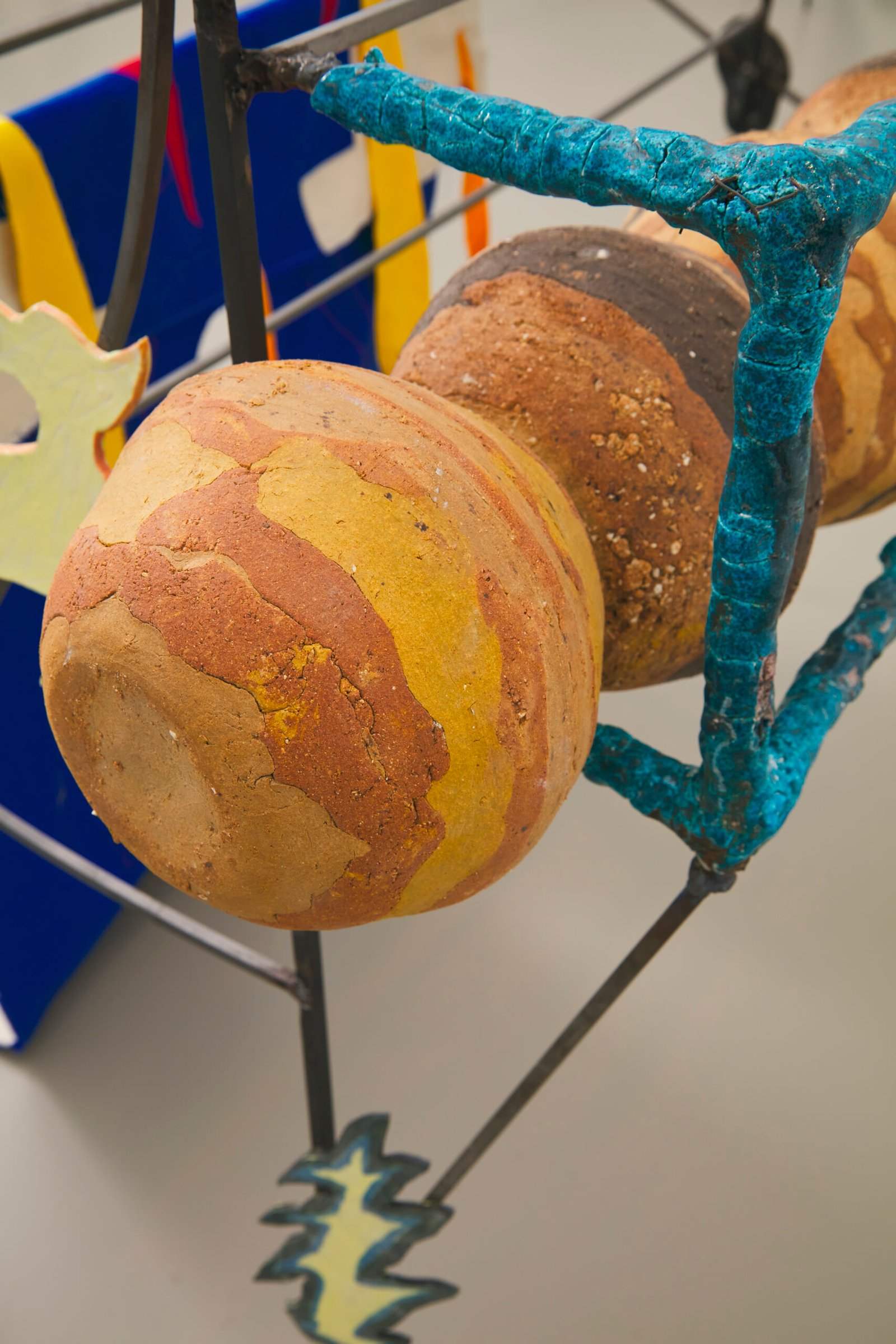
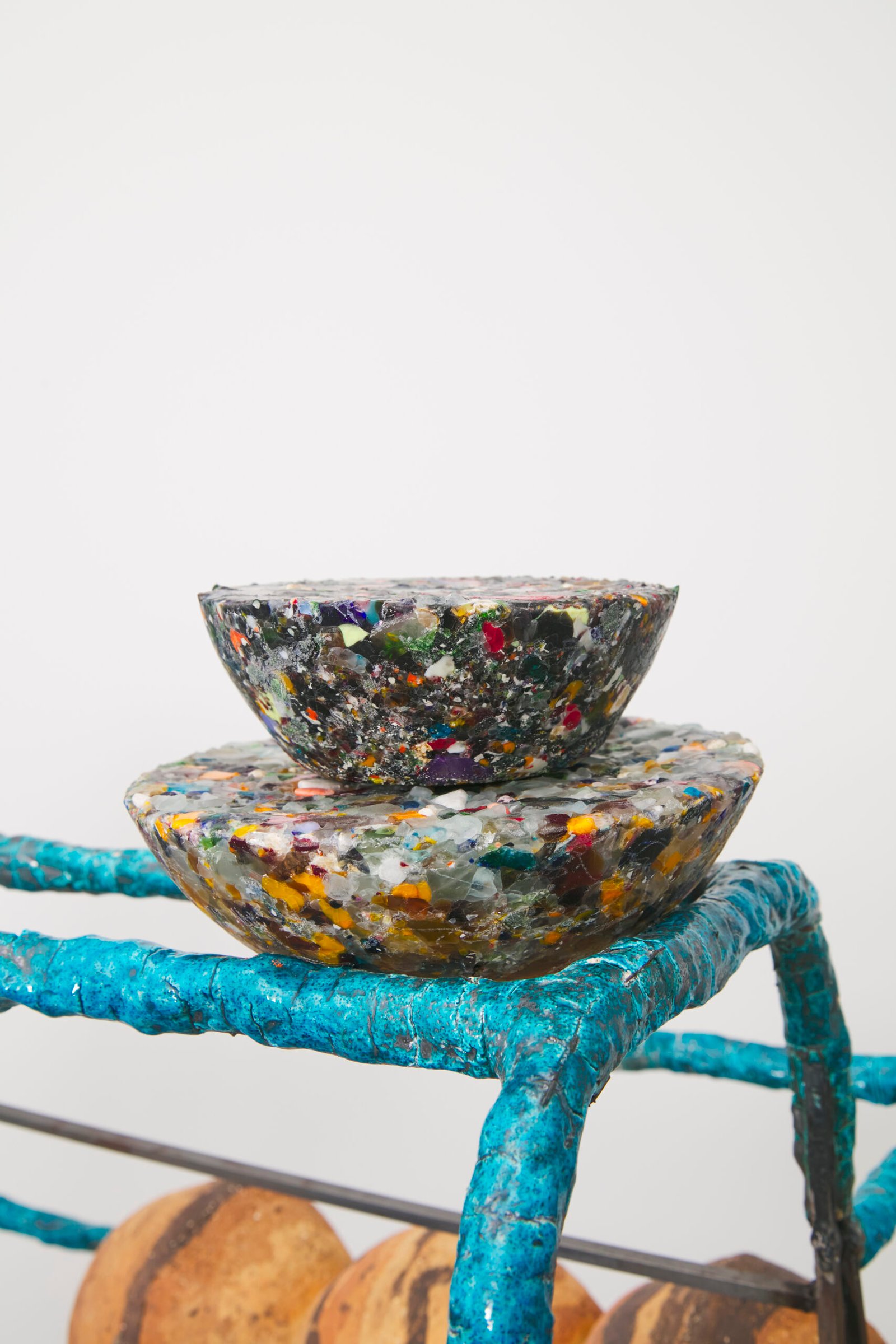
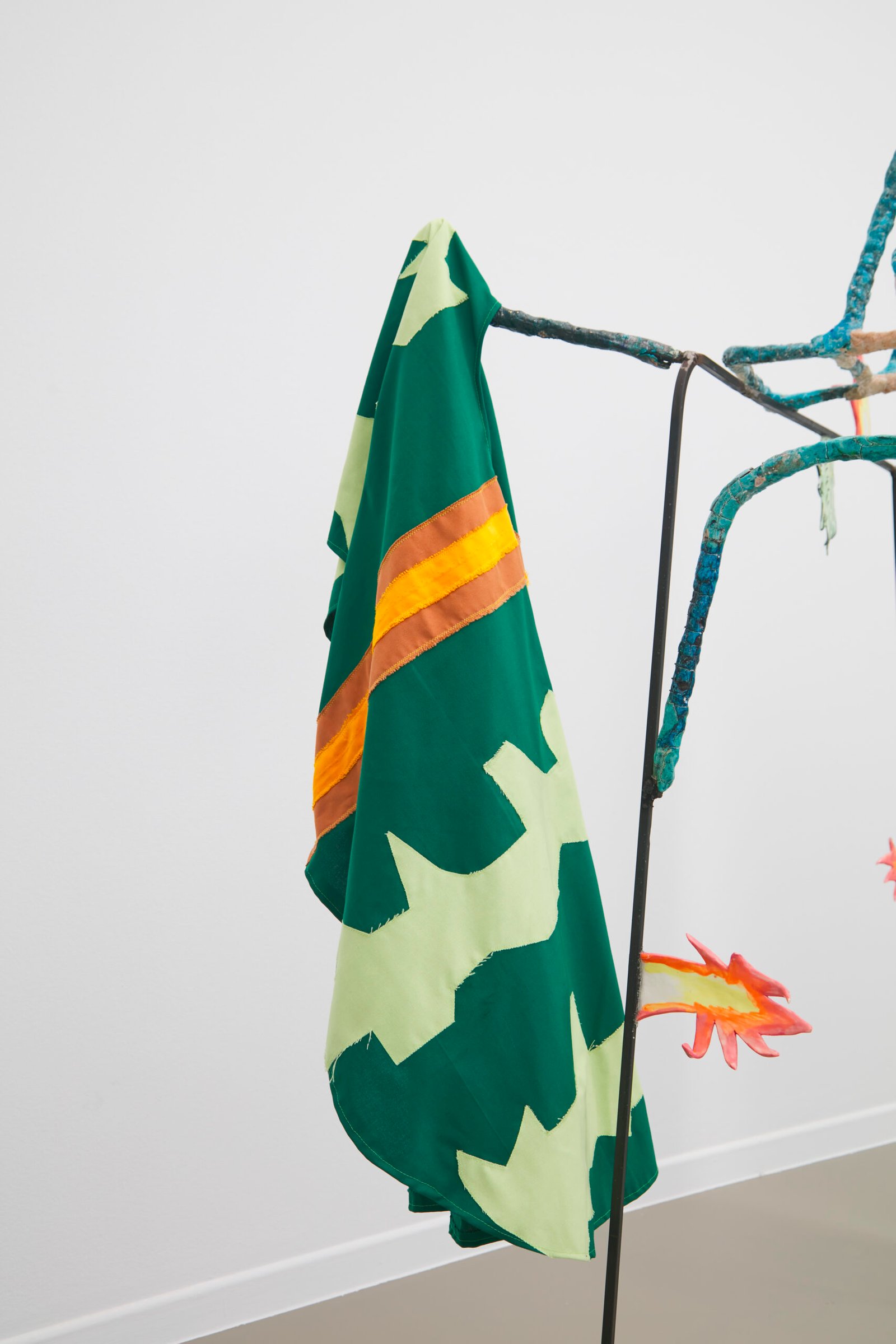
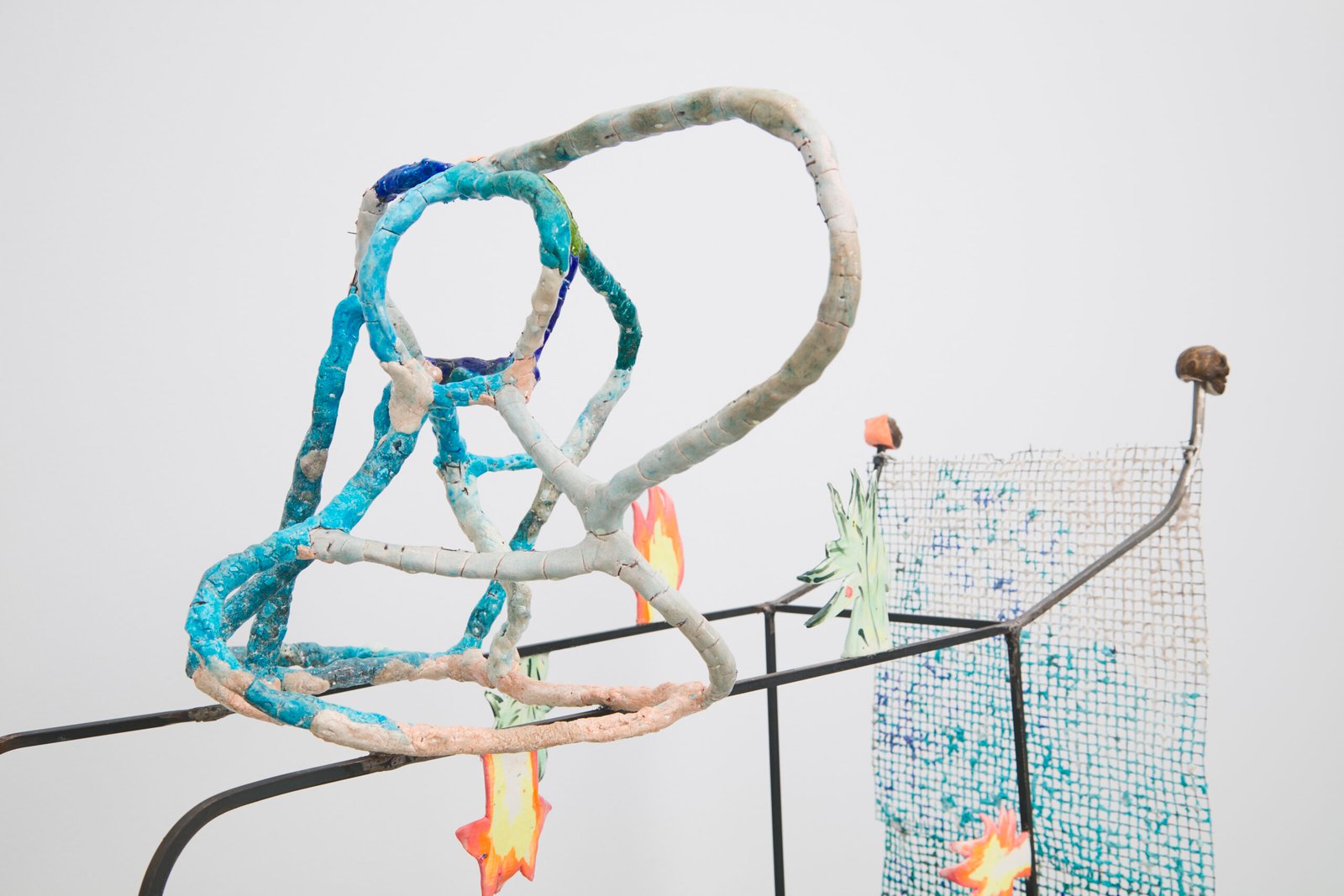
The Ship
2021
Metal, Egyptian paste, textiles, paper mache, ceramics, glass and acrylic paint
165 x 130 x 90 cm
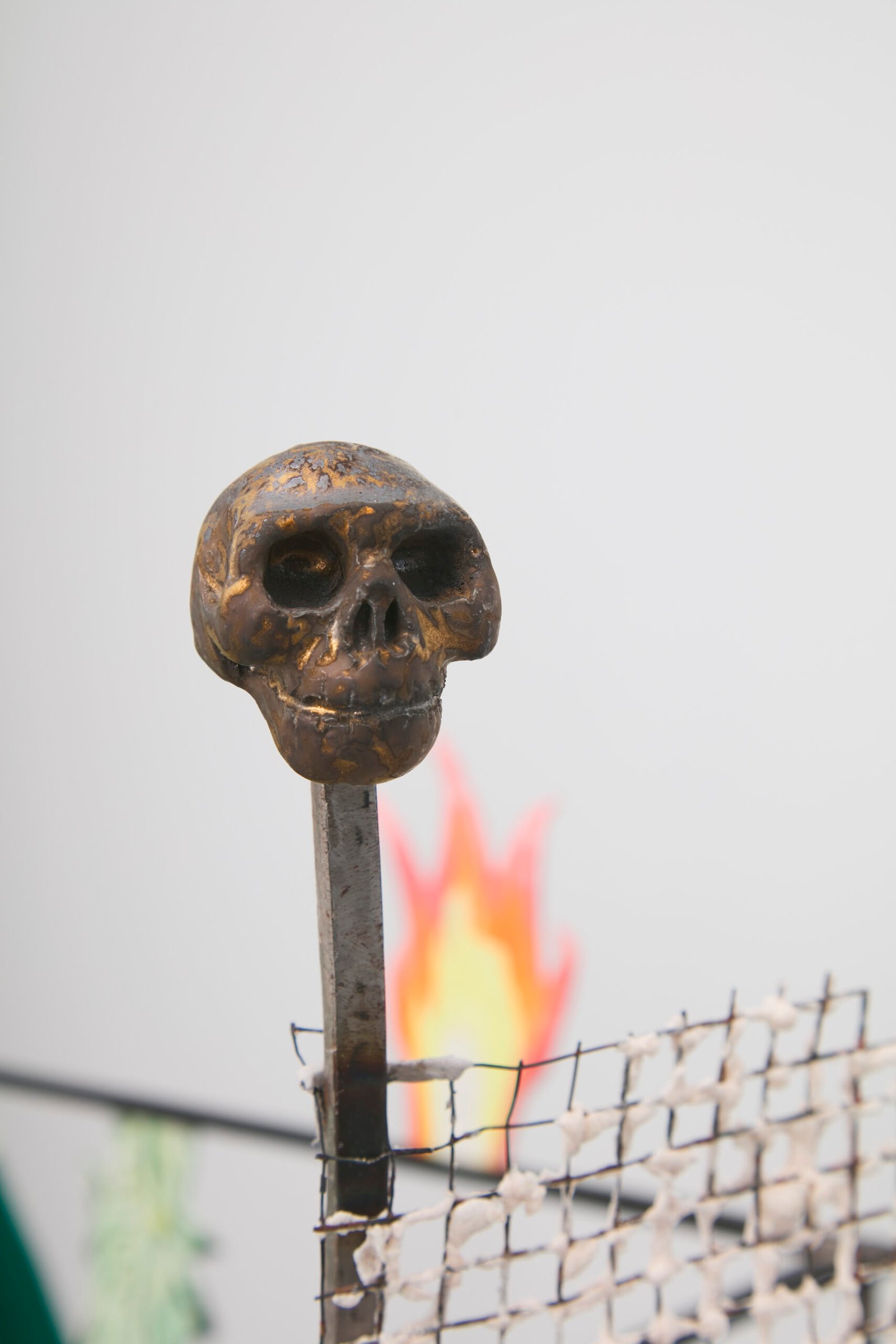
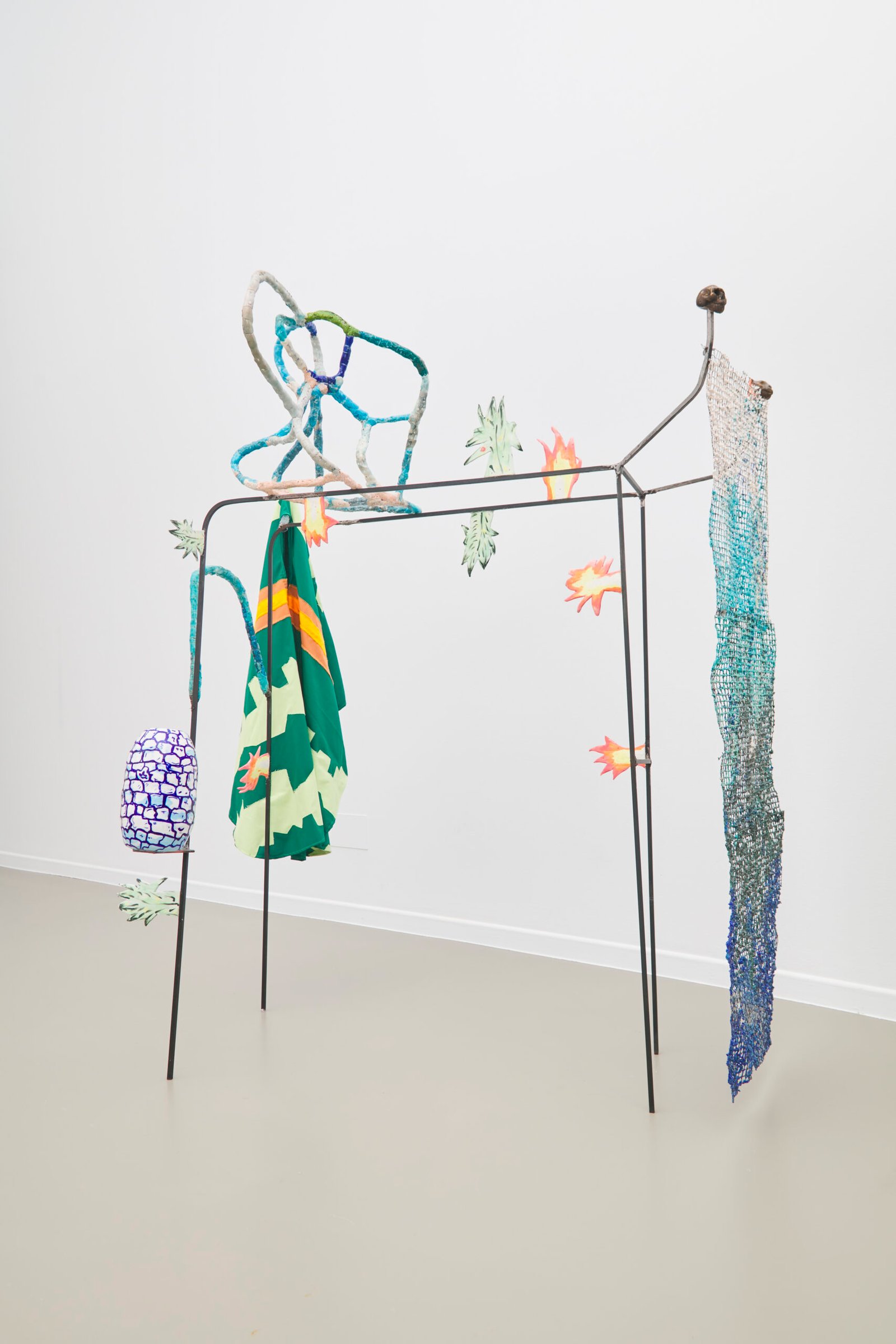
Mad Bull
Metal, Egyptian paste, textiles, papier-mâché, ceramics, glass and acrylic paint
2021
175 × 180 × 70 cm
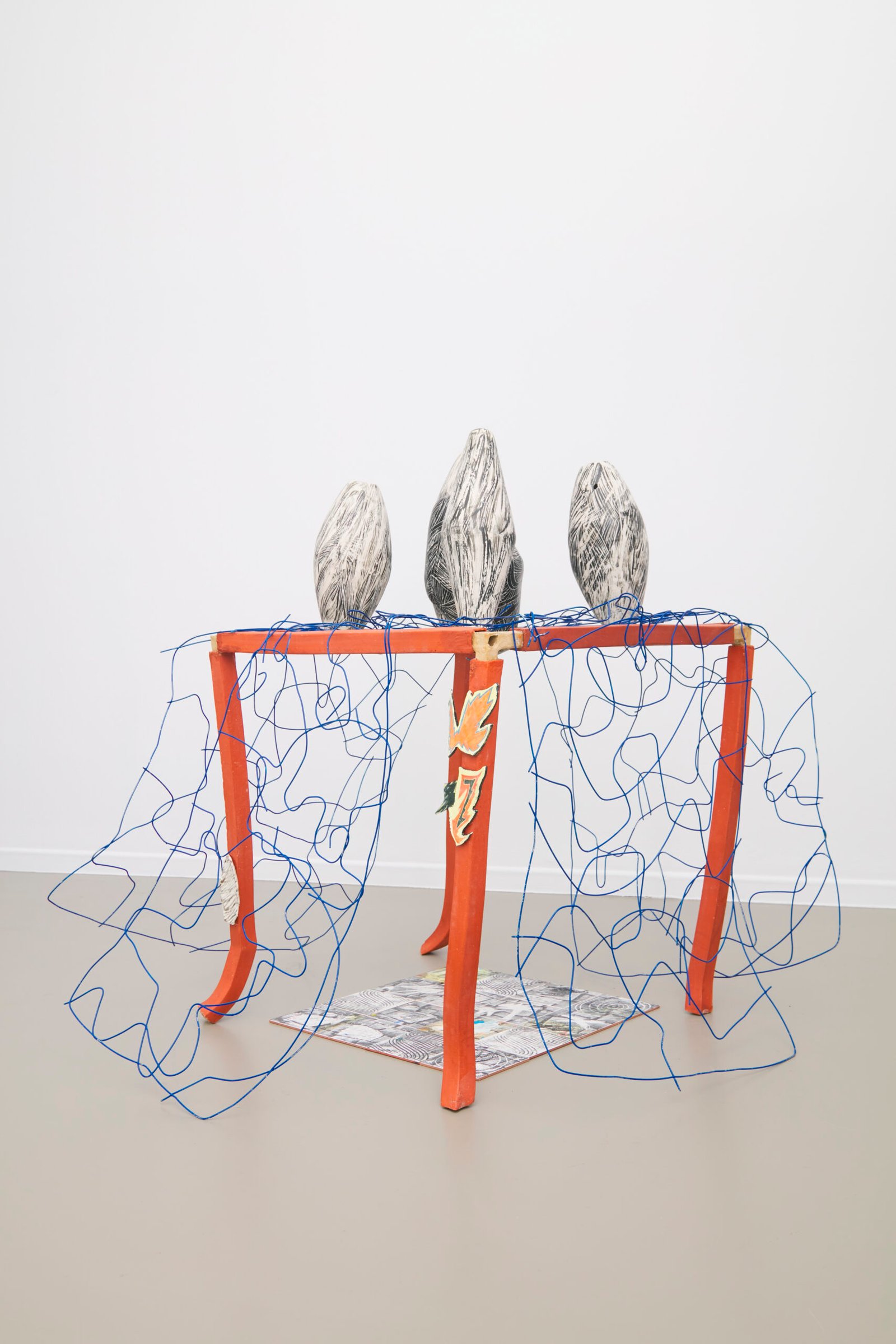
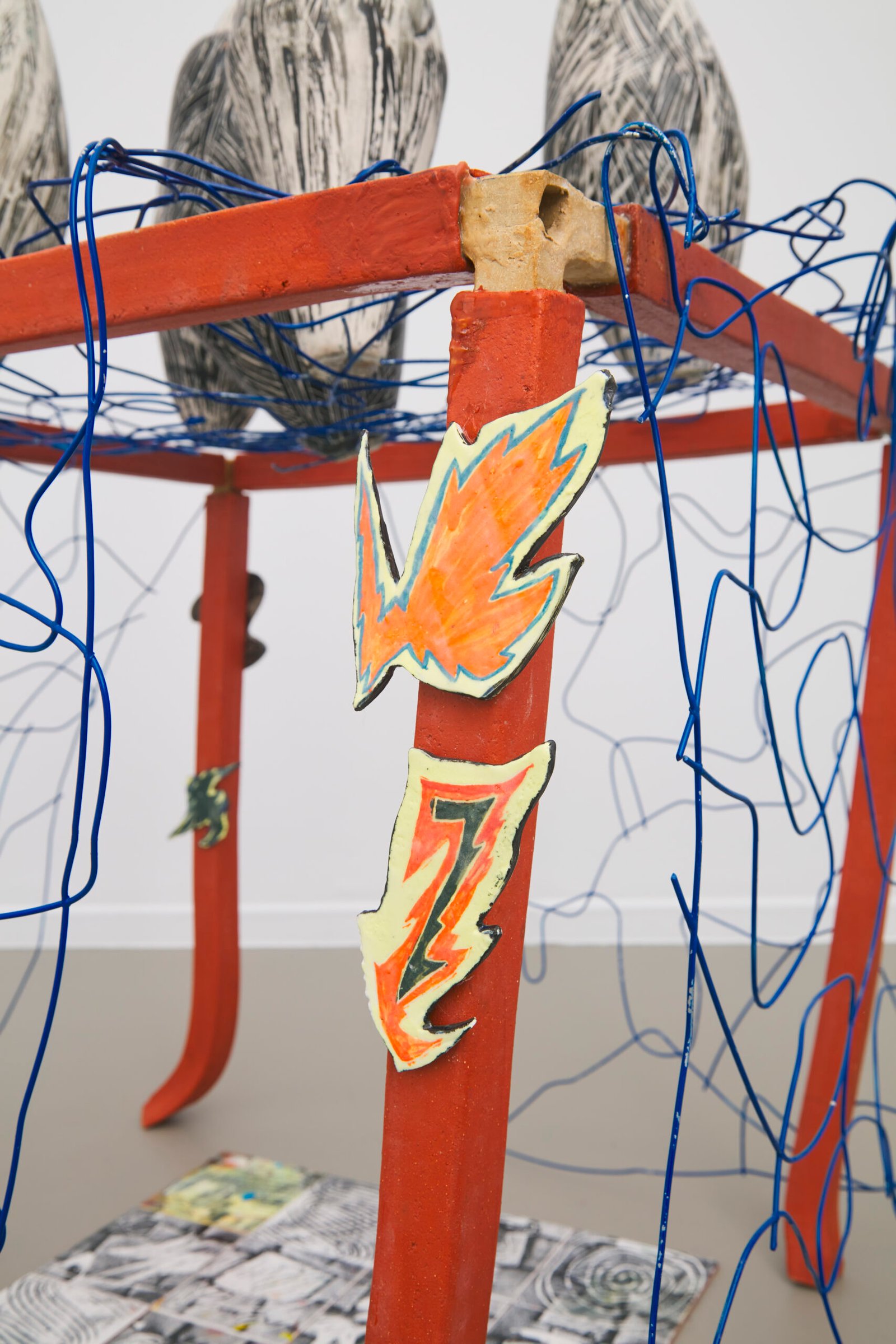
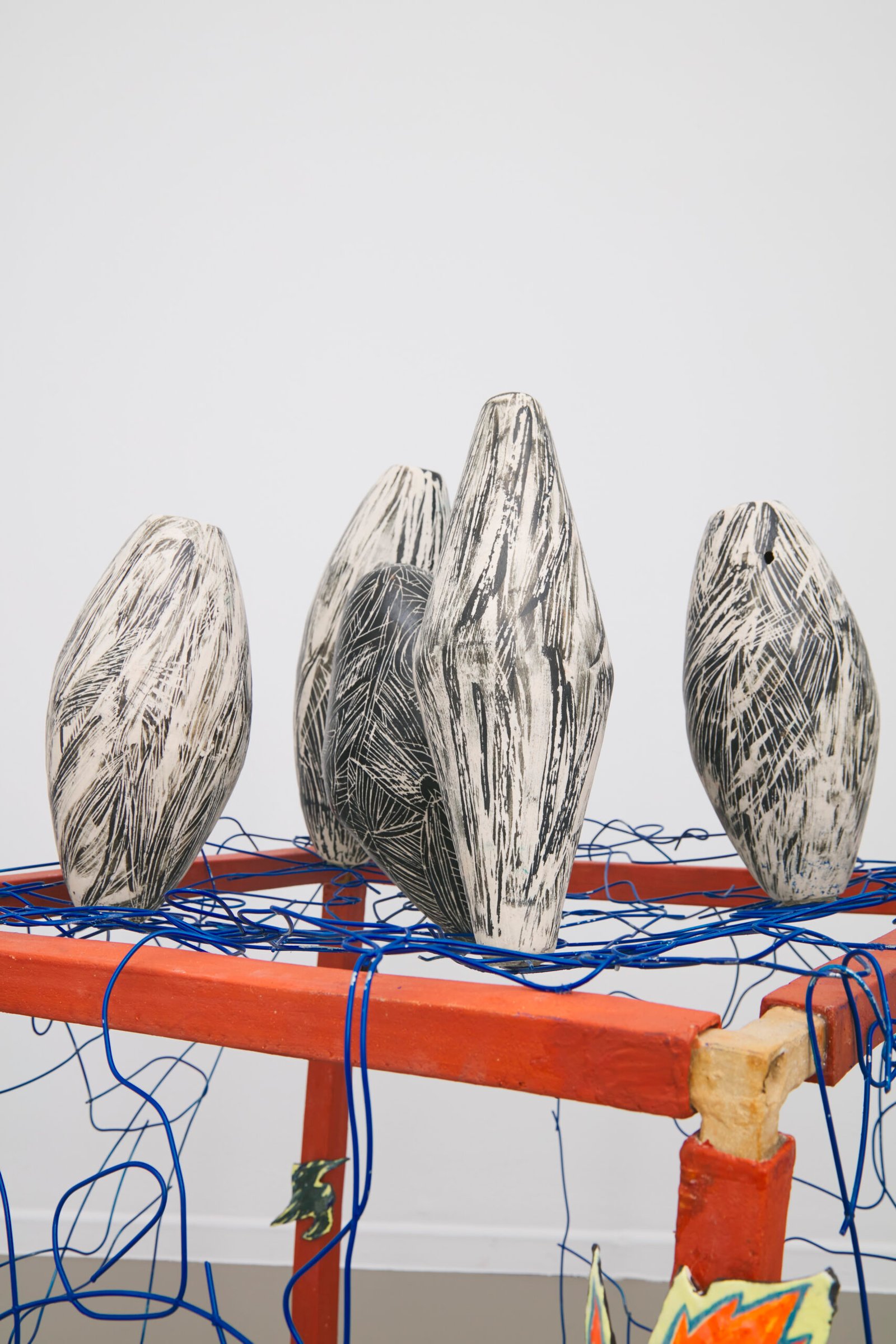
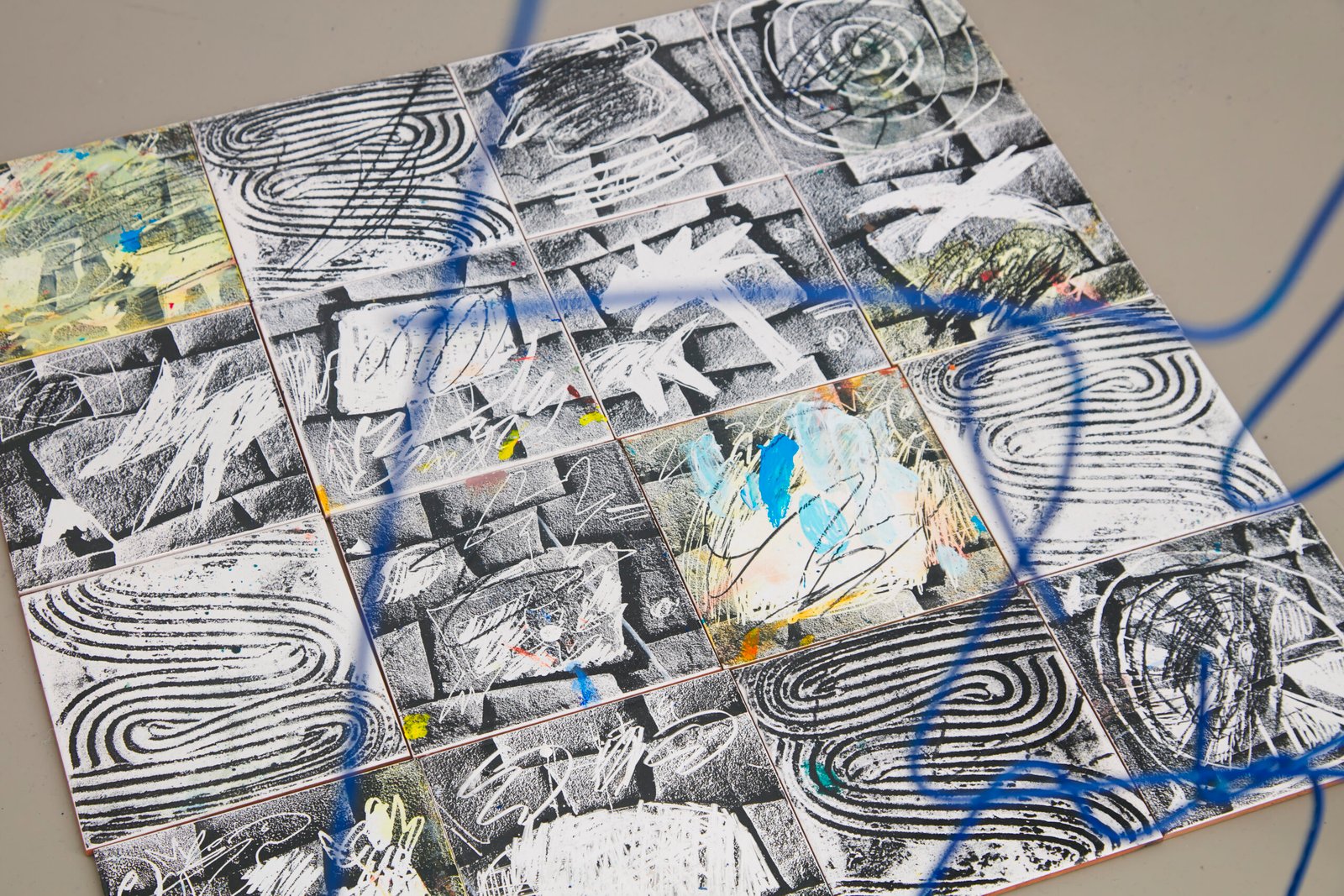
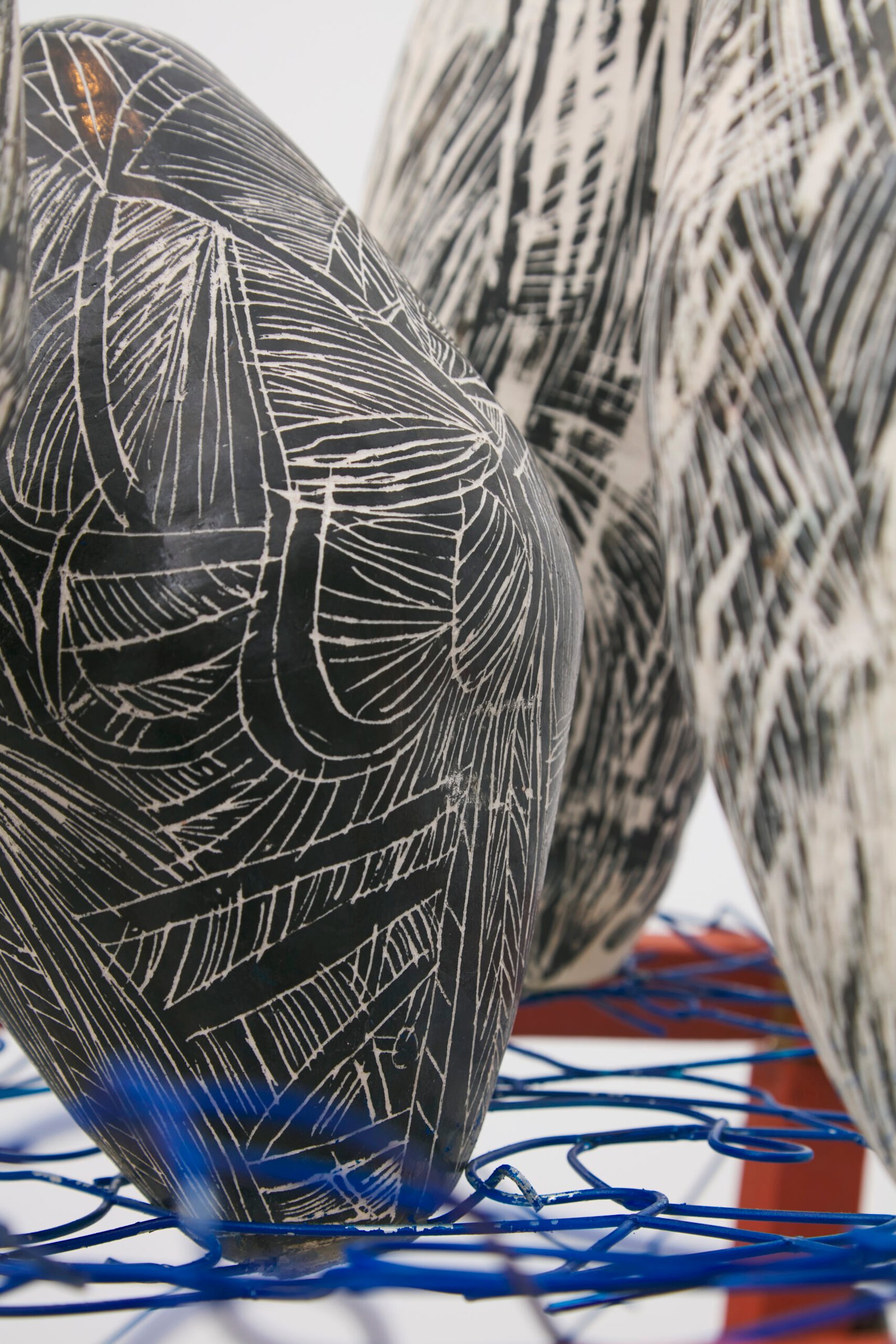
Ritual Table
2021
Ceramic, iron, acrylic, resin
150 × 150 × 135 cm
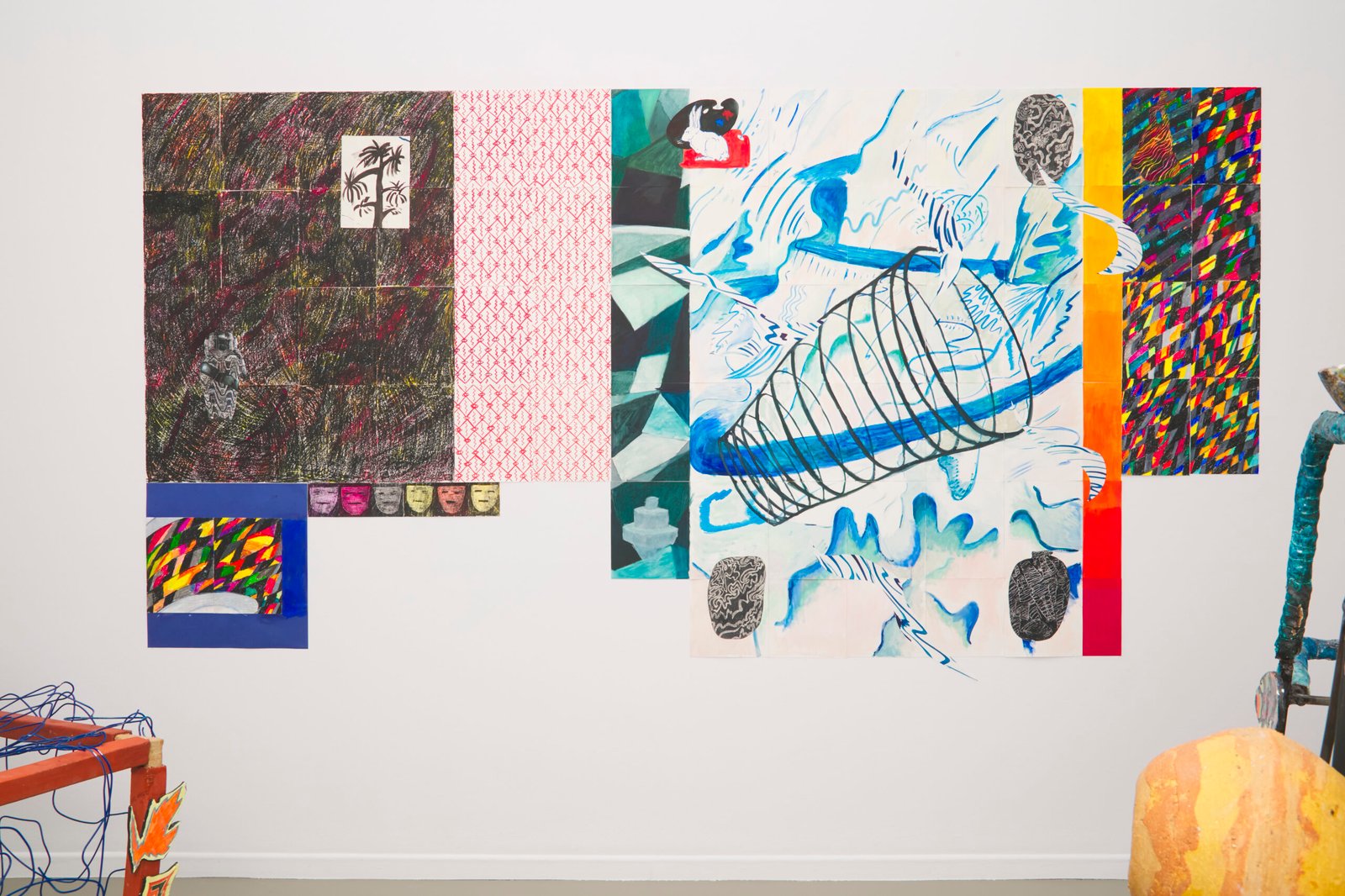
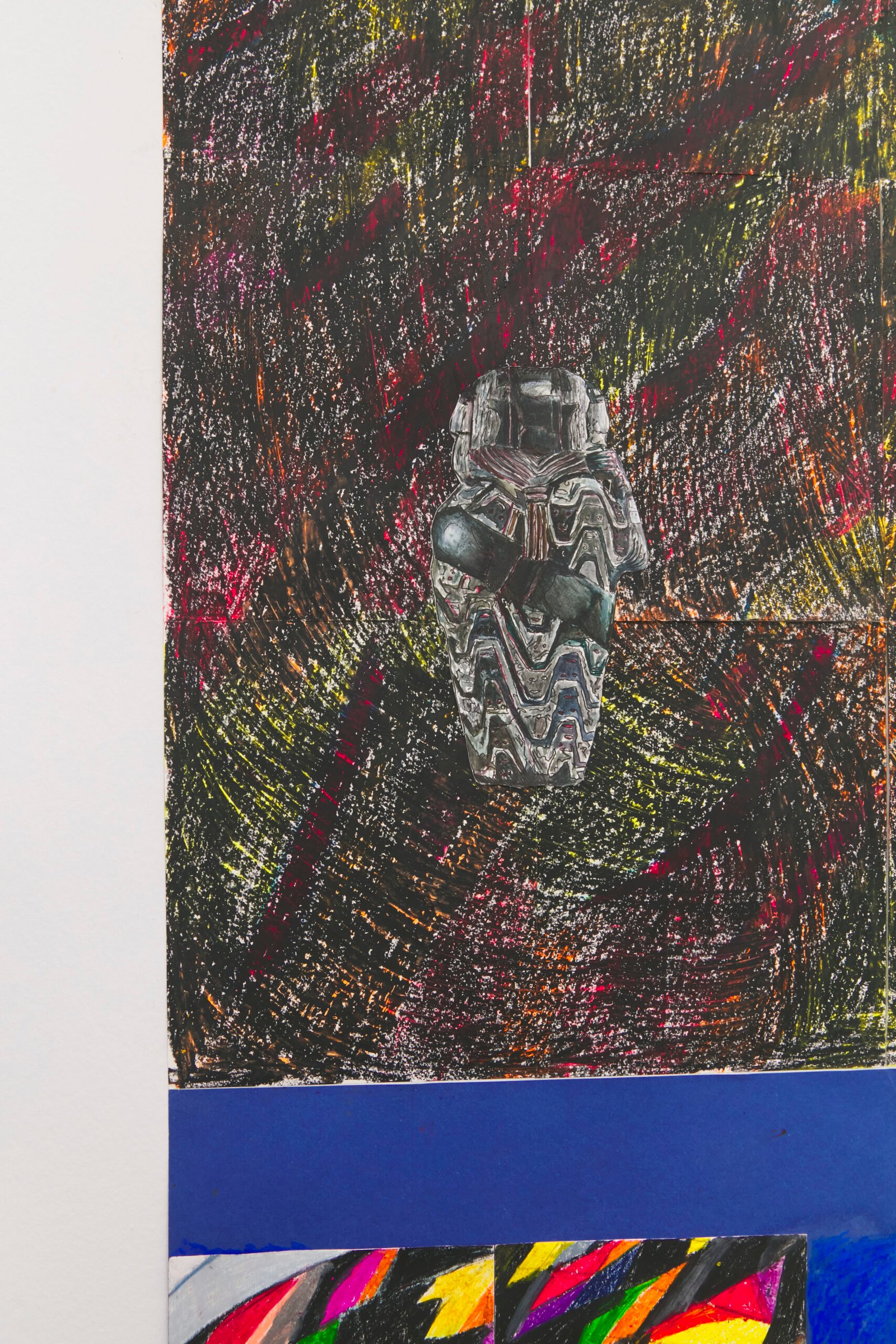
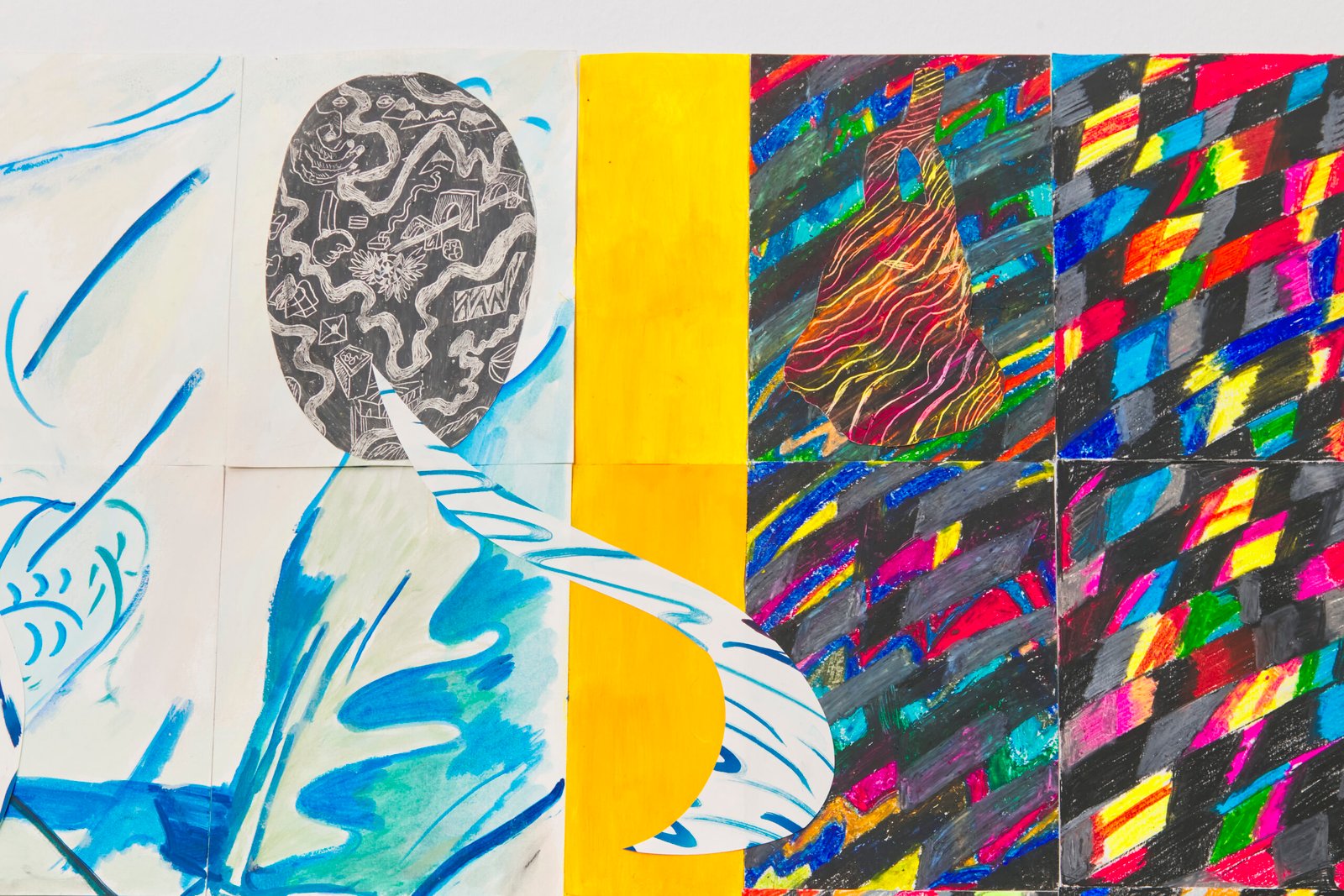
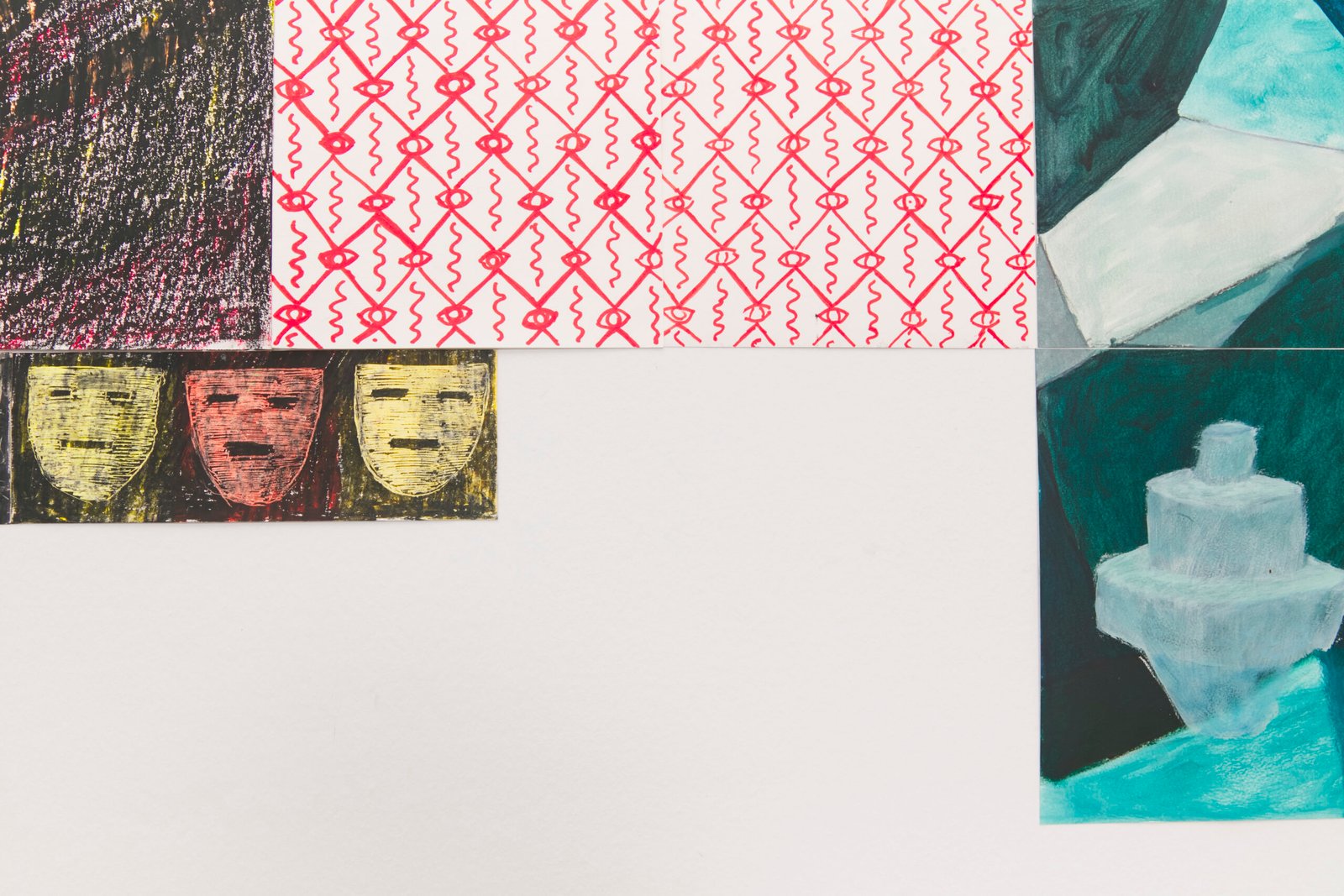
Map to Understand Multiple
Variable Forms
Ink and mixed media on paper
Variable pieces
2022
250 × 150 cm approx.